






What's Happening?
The European Union's Carbon Border Adjustment Mechanism (CBAM) entered its definitive phase on January 1, 2026, imposing a carbon cost on covered imports, including iron, steel, and aluminum. While the legal obligation falls on EU importers, the economic
burden is expected to travel through the supply chain, affecting foreign producers. The European Commission set the Q3 2026 CBAM certificate price at €82.32 (approximately US$92) per tonne of CO2. Certificate sales are scheduled to begin on February 1, 2027. This mechanism impacts Canadian metal exporters, as the EU is a major destination for their products, and US-listed miners with European customers will face new compliance and margin pressures. Brazil's steel exporters also face similar requirements, needing to supply reliable embedded-emissions data, while copper, a key export for Chile, is not currently included in the initial CBAM sectors.
Why It's Important?
The CBAM represents a significant shift in global trade, linking environmental policy with economic activity. For US-listed mining and steel companies with European customers, this is not merely a distant European policy but a direct reporting and margin issue. These companies will need to monitor Scope 1 and Scope 2 emissions, product-level carbon intensity, and European sales exposure. The mechanism could reshape competition, with low-carbon production potentially gaining a price advantage. For instance, Canadian aluminum produced with hydroelectric power might see a competitive edge if its lower carbon intensity can be documented according to EU-accepted methodologies. Smaller exporters, however, may face disproportionately higher compliance costs due to administrative burdens. The policy also highlights the increasing importance of environmental data and sustainable production practices in international trade, potentially influencing investment decisions and supply chain structures globally.
What's Next?
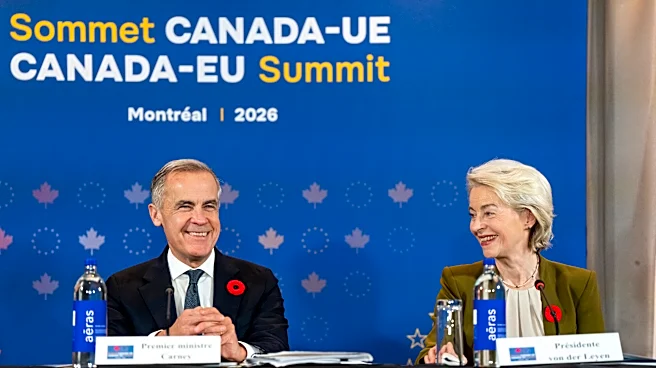
The Q4 2026 CBAM certificate price is expected to be published on January 4, 2027, which will determine the carbon cost for imports during the final quarter of 2026. Sales of CBAM certificates will commence on February 1, 2027, at which point authorized declarants can begin purchasing certificates to cover their embedded-emissions liabilities. Stakeholders will be closely watching for formal Canada-EU implementation details, as any equivalence arrangement, carbon-price recognition, or sectoral treatment could significantly alter the exposure for Canadian metals exporters. Furthermore, the European Commission's potential extension of CBAM to downstream steel- and aluminum-intensive products would broaden the mechanism's reach beyond primary metals and basic industrial goods, impacting a wider range of industries and supply chains.
Beyond the Headlines
The EU's CBAM initiative reflects a broader global trend towards integrating climate action into trade policy, potentially setting a precedent for other major economies. This move could lead to a 'carbon club' where countries with similar carbon pricing mechanisms engage in preferential trade, while those without face additional costs. The policy also raises questions about trade equity and the potential for protectionism under the guise of environmental protection. The requirement for detailed emissions data could drive technological innovation in carbon measurement and reduction across industries. Moreover, it underscores the growing pressure on companies worldwide to adopt more sustainable practices, not just for regulatory compliance but also for market access and competitive advantage in an increasingly carbon-conscious global economy.