




What's Happening?
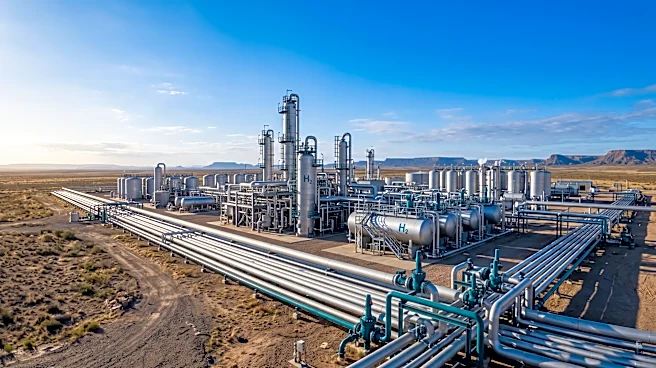
HDF Energy has selected Topsoe to supply the technology for a new 250 MW blue hydrogen power generation facility in West Texas, USA. This plant, named BaseBlue Power, will utilize natural gas from the Permian Basin to produce hydrogen, which will then
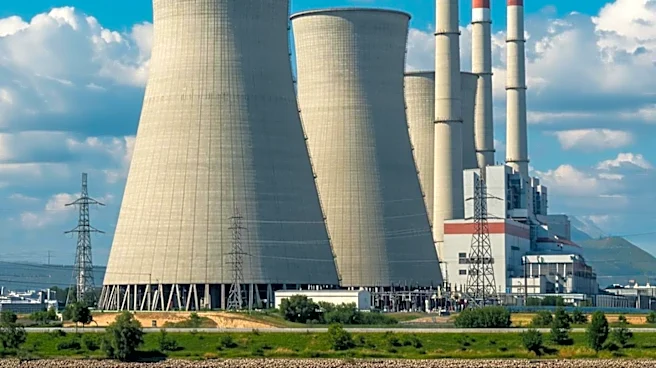
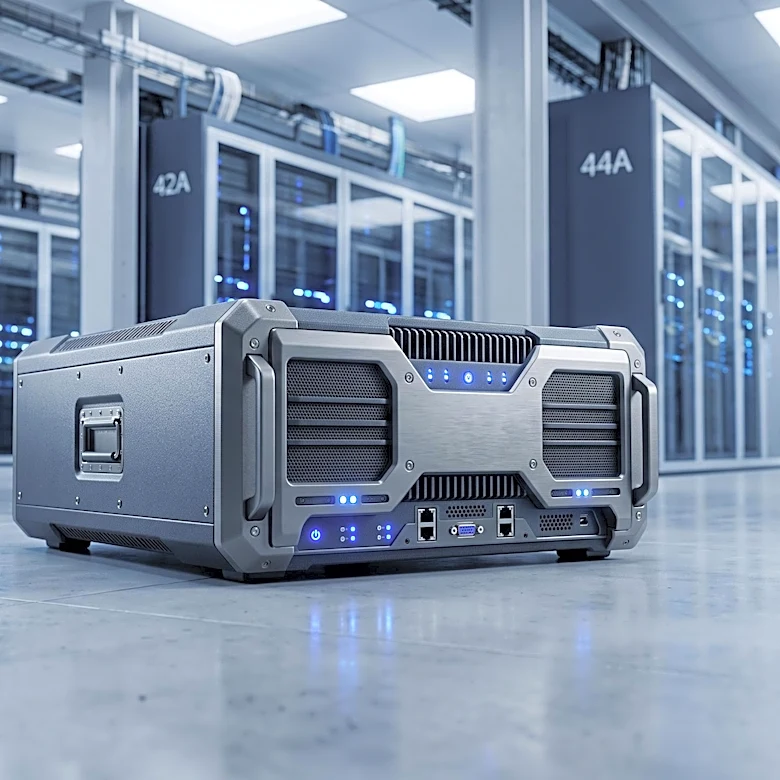
be converted into electricity using proton exchange membrane (PEM) fuel cell systems. Topsoe's SynCOR autothermal reforming (ATR) technology will be central to this process, enabling the transformation of natural gas into hydrogen while capturing over 95% of the CO2 generated, amounting to approximately 1.1 million metric tons annually. The captured carbon dioxide will be compressed and transported for underground storage in the region. The electricity produced will primarily serve the growing energy demands of data centers in the area, offering a local generation alternative that reduces reliance on conventional electricity grids. HDF Energy aims for continuous power supply with adaptability to varying energy consumption.
Why It's Important?
This project is significant for the U.S. energy landscape, particularly in Texas, as it addresses the increasing energy demands of data centers while incorporating carbon capture technology. The reliance on blue hydrogen, produced from natural gas with CO2 capture, represents a strategic approach to decarbonization within the energy sector, leveraging existing fossil fuel resources in a more environmentally conscious manner. For data centers, which require a constant and reliable power supply, this initiative offers a stable and potentially cleaner energy source, mitigating pressure on existing electricity grids. The integration of advanced fuel cell technology and carbon capture highlights a growing trend towards hybrid energy solutions that balance energy security with environmental sustainability. This development could also set a precedent for similar projects in other regions facing high energy consumption and grid strain.
What's Next?
The BaseBlue Power plant is expected to move forward with the implementation of Topsoe's SynCOR technology, including the provision of technology licenses, process design, basic engineering, and specialized equipment. HDF Energy will collaborate with manufacturers specializing in high-power fuel cells to achieve the planned 250 MW capacity. The project's success in Texas will serve as a crucial evaluation of this technological combination at a large scale, potentially influencing future investments in blue hydrogen and carbon capture projects across the U.S. and globally. Continued monitoring of the plant's operational efficiency, CO2 capture rates, and overall economic viability will be essential. The project's ability to meet the energy needs of data centers without fully depending on grid expansion could also spur further innovation in localized, sustainable power generation solutions for energy-intensive industries.
Beyond the Headlines
The BaseBlue Power project underscores a broader shift in energy strategy, where the transition to cleaner energy sources is not solely reliant on renewables but also on making traditional energy production more sustainable through technologies like carbon capture. This 'blue hydrogen' approach could become a critical bridge technology, especially in regions with abundant natural gas resources, allowing for a gradual decarbonization while maintaining energy reliability. The project also highlights the increasing role of industrial partnerships, such as that between HDF Energy and Topsoe, in driving large-scale energy transitions. Furthermore, the focus on powering data centers points to the growing environmental footprint of the digital economy and the urgent need for sustainable energy solutions within this sector. The ethical implications of continued natural gas extraction, even with carbon capture, will likely remain a subject of debate, balancing economic benefits with long-term environmental goals.