






What's Happening?
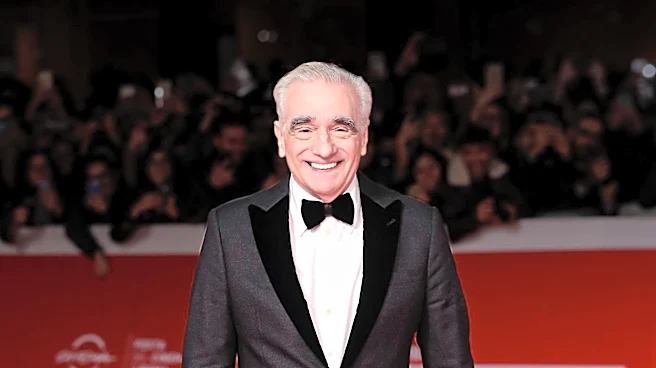
Filmmaker Martin Scorsese has stated that his planned 'Cleopatra' film, which was set to star Angelina Jolie as Cleopatra VII, was derailed due to the 2014 Sony cyberattack. According to Scorsese, the cyberattack, which exposed numerous internal emails,
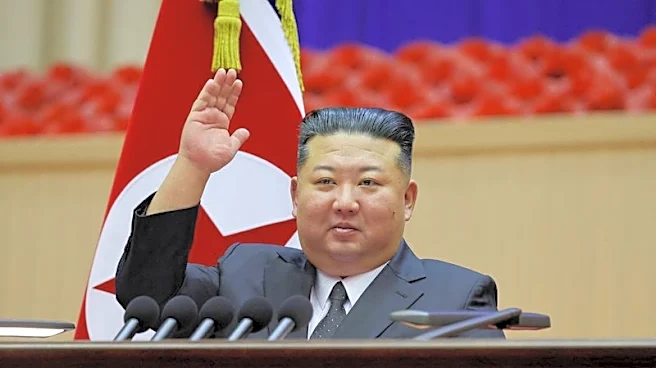
was a response to Seth Rogen's controversial film 'The Interview.' Scorsese recounted to his daughter Francesca Scorsese on Tribeca's Crafty that the North Korean leader Kim Jong Un became angered by 'The Interview,' leading to the cyberattack that ultimately impacted other projects at Sony, including his 'Cleopatra' movie. He emphasized that the script was ready, and Angelina Jolie was on board for what he described as a 'really wild' interpretation of the historical figure. The cyberattack made headlines in November 2014, with a group opposing 'The Interview' claiming responsibility. Among the leaked emails was one from producer Scott Rudin, who reportedly referred to Angelina Jolie as a 'minimally-talented spoiled brat.'
Why It's Important?
This revelation highlights the far-reaching and often unforeseen consequences of cyberattacks on major corporations, particularly within the entertainment industry. The Sony hack not only led to the public exposure of sensitive company data and private communications but also had a direct impact on creative projects, potentially altering the course of cinematic history. For Angelina Jolie, it meant the loss of a significant role in a high-profile film directed by a legendary filmmaker. For Martin Scorsese, it represented the cancellation of a project he was deeply invested in, demonstrating how external geopolitical events and cyber warfare can disrupt artistic endeavors. The incident also underscores the vulnerability of large studios to digital threats and the potential for such attacks to influence production decisions and talent relations. The public nature of the leaked emails also created significant reputational damage for individuals involved, as evidenced by the derogatory comment about Jolie.
What's Next?
While the 'Cleopatra' project with Angelina Jolie and Martin Scorsese is unlikely to be revived in its original form, the incident serves as a cautionary tale for the entertainment industry regarding cybersecurity. Studios continue to invest heavily in protecting their digital assets and intellectual property from similar attacks. The broader implications for content creation and distribution in an increasingly digital world remain a key concern. The event also contributes to the ongoing discussion about the intersection of geopolitics, technology, and artistic freedom, particularly when films touch on sensitive international subjects. Future productions may face increased scrutiny and security measures to prevent similar disruptions, and the industry will likely continue to adapt its strategies to mitigate such risks.
Beyond the Headlines
The cancellation of Scorsese's 'Cleopatra' project due to a cyberattack linked to a geopolitical dispute reveals a complex interplay of factors beyond typical film production challenges. It underscores how digital vulnerabilities can have tangible, real-world impacts on creative output and careers. The incident also brings to light the ethical considerations surrounding leaked private communications and their potential to damage professional relationships and reputations. The idea that a film's fate could be determined by an international cyber incident, rather than artistic merit or financial viability, points to a new era of challenges for the entertainment sector. This event serves as a stark reminder that in the interconnected digital age, even seemingly unrelated global events can have profound and unexpected consequences on diverse industries.