







What's Happening?
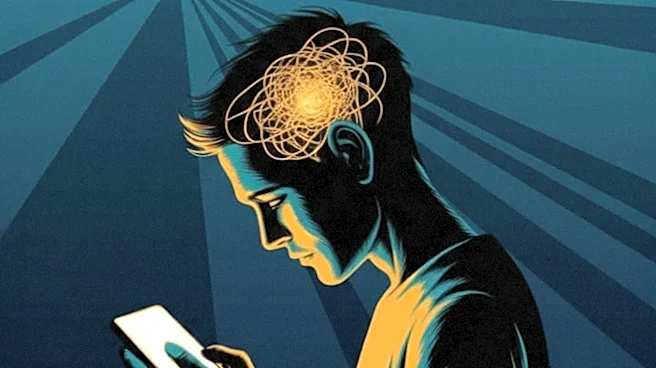
The concept of 'doom-scrolling,' characterized by the continuous consumption of often negative social media content, is being addressed with practical strategies aimed at improving mental health and productivity. One approach suggests replacing this habit
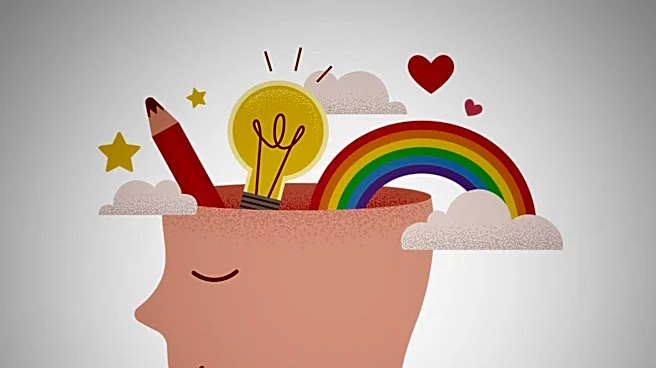
with engaging activities such as dance, music, art, or learning a new language. This encourages individuals to actively create or learn rather than passively consume potentially distressing information. Another recommended strategy involves scheduling social media usage to specific, limited times and locations each day. For instance, dedicating 20 minutes on a sofa with a timer, rather than allowing social media to become a default activity in every spare moment, transforms it from a mindless habit into a conscious choice. These methods aim to break the cycle of endless scrolling and foster more intentional engagement with daily activities and digital platforms.
Why It's Important?
The prevalence of 'doom-scrolling' has significant implications for individual well-being and societal productivity. Unchecked consumption of negative news and social media content can contribute to increased anxiety, stress, and a diminished sense of control, impacting mental health across various demographics. By offering structured alternatives and controlled engagement methods, these strategies can empower individuals to reclaim their time and mental space. This shift from passive consumption to active participation in hobbies or learning can foster personal growth, creativity, and intellectual development. Furthermore, establishing boundaries around social media use can improve focus and attention spans, which are crucial for both professional and personal endeavors. The ability to manage digital interactions effectively can lead to a more balanced lifestyle, reducing the potential for digital overload and its associated negative psychological effects.
What's Next?
The continued development and promotion of 'doom-detoxing' strategies are likely to gain traction as awareness of digital well-being grows. We can anticipate more individuals and organizations adopting and advocating for these structured approaches to social media use. This could lead to the integration of digital literacy and mindful technology use into educational programs and corporate wellness initiatives. Technology companies might also face increasing pressure to design platforms that support healthier user habits, potentially through features that encourage breaks or provide usage insights. The long-term impact could include a cultural shift towards more intentional and less compulsive digital engagement, fostering a society that is more resilient to the negative aspects of constant information flow. Further research into the psychological benefits of these interventions will also be crucial in refining and validating these practices.
Beyond the Headlines
Beyond the immediate benefits of reduced stress and improved focus, the emphasis on 'doom-detoxing' highlights a broader societal re-evaluation of our relationship with technology and information. It underscores a growing recognition that constant connectivity, while offering numerous advantages, also carries significant psychological costs. This movement encourages a return to activities that foster genuine human connection, creativity, and intellectual stimulation, which can be overshadowed by the passive consumption of digital content. The ethical implications extend to how information is presented and consumed, prompting questions about the responsibility of media outlets and social platforms in contributing to 'doom-scrolling' tendencies. Ultimately, these strategies are not just about managing screen time, but about cultivating a more deliberate and fulfilling existence in an increasingly digital world, promoting a deeper sense of purpose and engagement with real-world experiences.