




What's Happening?
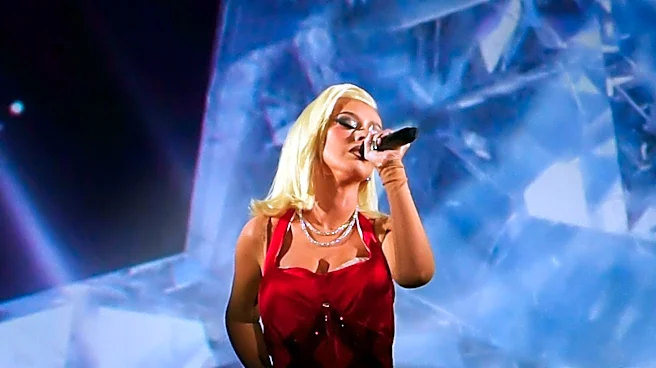
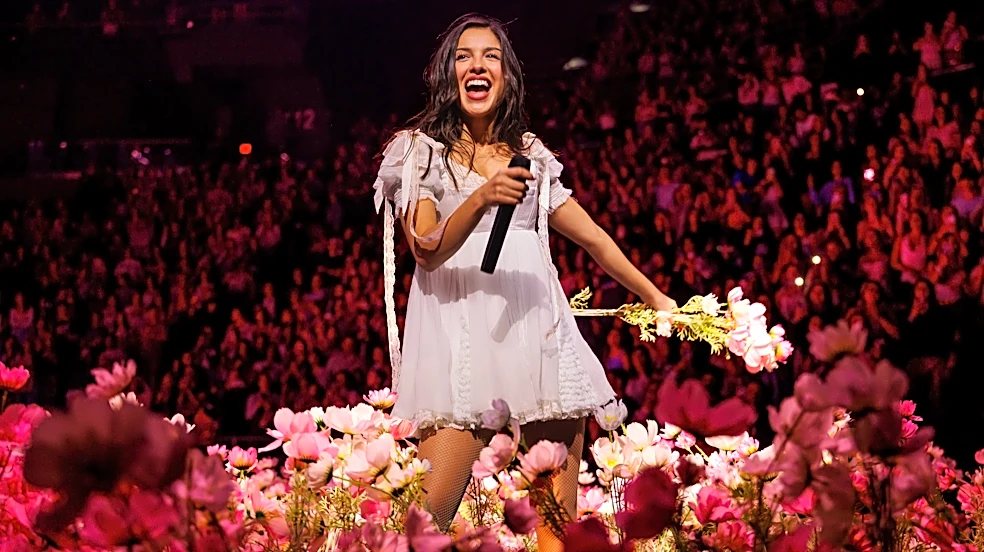
Olivia Rodrigo, a GRAMMY-award winning singer-songwriter, recently faced allegations of using generative AI in the animated sequence of her music video for the 'Expectations' remix, featuring Chappell Roan. The video, which features a retro TV game show
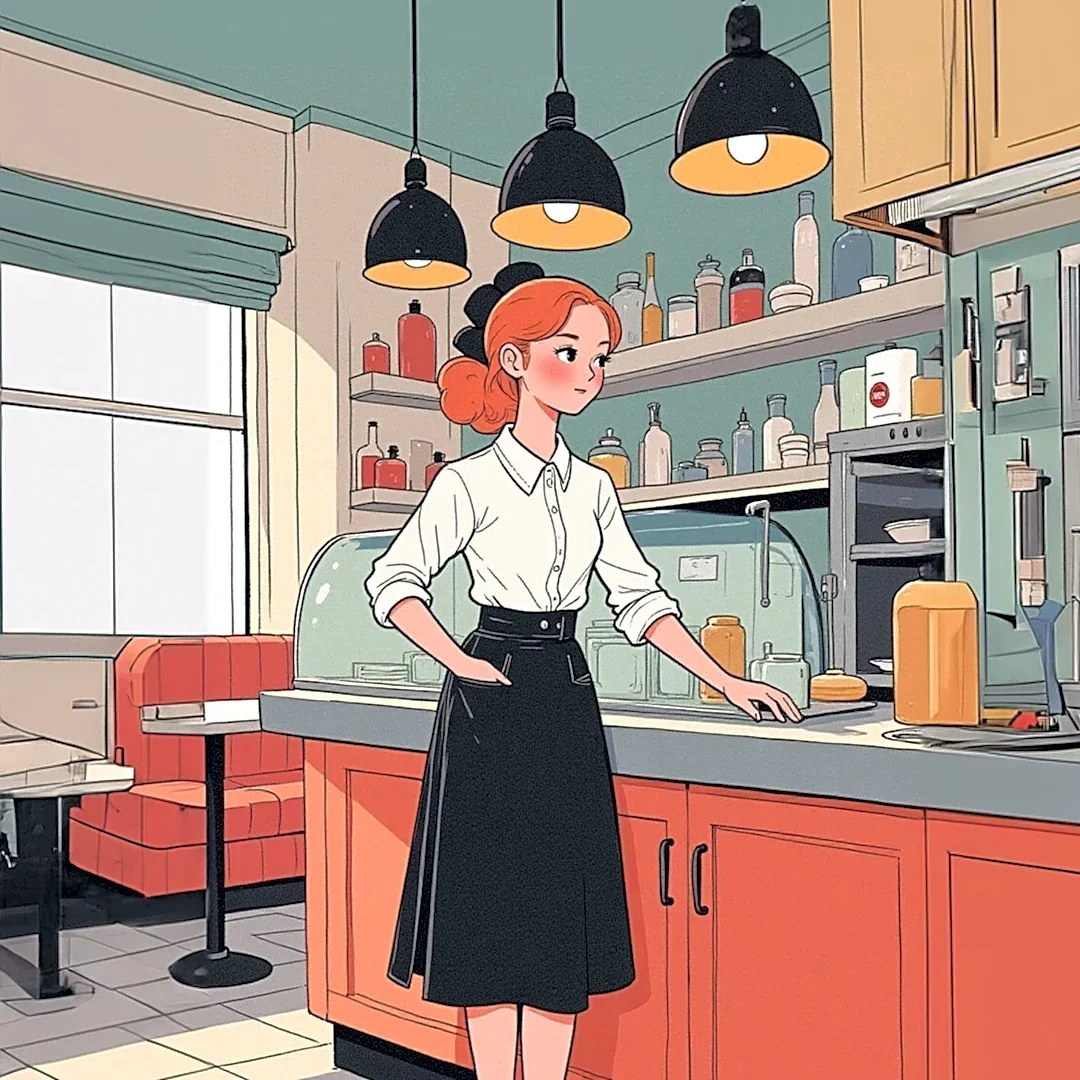
theme and a brief animated segment with cartoon versions of the artists, led to online speculation about AI involvement. In response, Rodrigo's official fan account, LiviesHQ, released a behind-the-scenes clip. This clip showcased the creative process, detailing the hand-drawn characters, 2D and 3D animation, and analog TV screens used to achieve the video's retro aesthetic. The graphic designer, Jack Harrison, led the analog treatment, which involved creating animations in software, loading them onto an older PC, and then filming the screen with a high-resolution camera to produce a deliberately old-fashioned look. This method aligns with Rodrigo's previous statements against using AI in her music.
Why It's Important?
This incident highlights a growing concern within the creative industries regarding the use of artificial intelligence and the challenges artists face in proving the authenticity of their work. The immediate public assumption of AI involvement in Rodrigo's music video reflects a broader societal anxiety about the proliferation of AI-generated content and its impact on human creativity. For artists, this situation underscores the necessity of meticulously documenting their creative processes to counter potential accusations and protect their artistic integrity. The response from Rodrigo's team, by providing concrete evidence rather than engaging in debate, sets a precedent for how public figures can effectively address such allegations. This approach not only defends the artist but also educates the public on the intricate and often labor-intensive methods behind seemingly simple visual effects, reinforcing the value of human artistry in an increasingly AI-driven world.
What's Next?
The approach taken by Olivia Rodrigo's team could influence how other artists and creative professionals handle similar accusations of AI use in their work. It suggests a shift towards proactive documentation of creative processes as a standard practice. This might lead to more transparency in the production of digital content, with artists and studios potentially sharing behind-the-scenes footage or process breakdowns more frequently. Furthermore, the incident could spark broader discussions within the entertainment industry about establishing clear guidelines or certifications for AI-free content, or conversely, for ethically produced AI-assisted content. This event also serves as a reminder for consumers to critically evaluate online claims and consider the potential for misinterpretation in the rapidly evolving landscape of digital media and artificial intelligence.
Beyond the Headlines
The controversy surrounding Olivia Rodrigo's music video touches upon deeper ethical and cultural implications regarding the definition of art and authenticity in the digital age. The readiness of the public to assume AI involvement reflects a societal skepticism towards digital creations, often fueled by concerns about job displacement and the devaluation of human skill. This incident prompts a re-evaluation of what constitutes 'original' work when digital tools are so prevalent. It also highlights the pressure on artists to constantly innovate while simultaneously defending the human element of their craft. The act of deliberately making digital content appear 'clunky and old-fashioned' to achieve a specific aesthetic, as done in Rodrigo's video, further blurs the lines between traditional and modern techniques, challenging perceptions of what 'real' art looks like in an era of advanced technology.