








What's Happening?
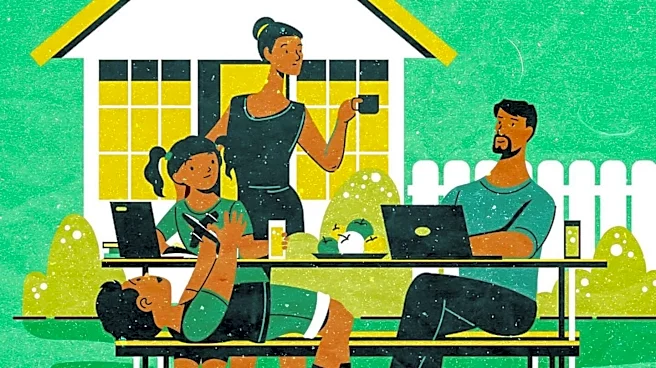
A significant shift is occurring among Gen Z and Millennials, who are increasingly embracing digital nomadism as a new interpretation of the 'American Dream.' According to an MBO report, these generations constitute 75% of digital nomads, driven by a growing
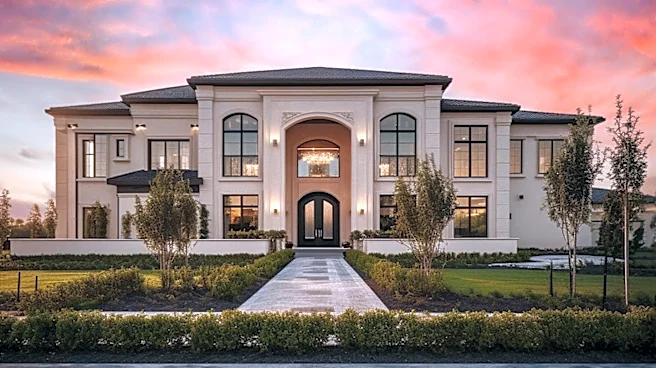
disillusionment with traditional homeownership. Housing data indicates that Americans now anticipate buying their first home at age 40, a substantial increase from age 28 in the early 1990s. More than half of non-homeowners in the U.S. perceive homeownership as unattainable. Even high-earning renters under 40 report decreased confidence in their ability to own a home compared to five years ago, as per a BMO Financial Group survey. This challenging housing market has led 83% of Gen Zers and 87% of Millennials to express willingness to relocate to more affordable areas if their jobs permit remote work.
Why It's Important?
This trend has profound implications for the U.S. economy, real estate market, and workforce dynamics. The widespread adoption of digital nomadism by these key demographic groups could lead to significant population shifts from expensive urban centers to more affordable regions, impacting local economies and housing markets. Businesses may need to adapt their remote work policies and consider the implications for talent acquisition and retention. The declining pursuit of traditional homeownership could also affect industries reliant on housing, such as construction, mortgage lending, and home furnishings. Furthermore, this shift reflects a broader re-evaluation of life priorities and financial stability among younger generations, potentially leading to new consumer behaviors and demands for flexible work arrangements and alternative living solutions.
What's Next?
The continued growth of digital nomadism is likely to prompt further evolution in remote work infrastructure and policies. Cities and towns in more affordable regions may experience an influx of new residents, leading to increased demand for services and potentially driving up local housing costs. Companies will face pressure to offer competitive remote work options to attract and retain talent, potentially leading to a more distributed workforce across the country. Policymakers may need to address the changing landscape of housing affordability and consider new approaches to support younger generations in achieving financial stability. The long-term societal impact could include a redefinition of community, with less emphasis on geographical ties and more on virtual connections.
Beyond the Headlines
The rise of digital nomadism among Gen Z and Millennials highlights a deeper societal challenge: the erosion of the traditional American Dream. This phenomenon is not merely about remote work; it reflects a fundamental re-evaluation of success, stability, and quality of life in the face of economic pressures and evolving values. The ethical implications include questions of equitable access to remote work opportunities and the potential for digital nomads to inadvertently contribute to gentrification in their chosen locations. Culturally, it signifies a move away from fixed, localized identities towards more fluid, globalized lifestyles. This shift could also trigger long-term changes in urban planning, infrastructure development, and the very concept of 'home' in the U.S., pushing for more flexible and adaptable living and working models.