





What's Happening?
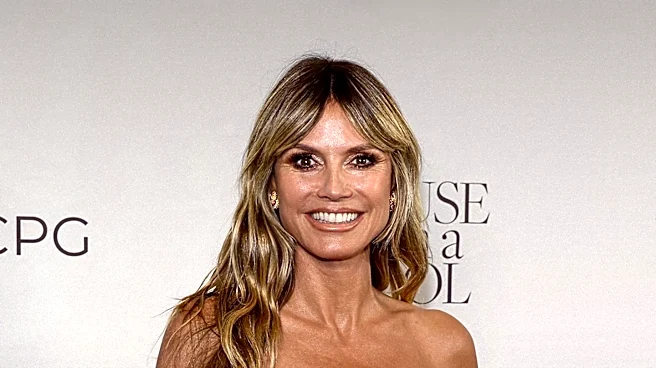
Heidi Klum is the face of s.Oliver's new 'Casual Since Forever' marketing campaign, which uniquely features both the current supermodel and an AI-generated younger version of herself from the 1990s. The campaign includes a video where the two versions
of Klum interact, alongside campaign images showcasing them together. This creative approach aims to highlight themes of change and constancy, mirroring Klum's personal evolution and s.Oliver's brand development. The 1990s setting is significant as it marks the beginning of Klum's career and aligns with the brand's Vintage Collection, which reinterprets typical elements from that era, such as sportswear-inspired looks, loose fits, denim, and prominent logos. s.Oliver intends to sharpen its positioning as a casual brand by connecting Klum's personal history with its own brand narrative. The campaign also integrates direct product presentation and purchasing options on its landing page, linking emotional storytelling with immediate sales opportunities. Additionally, a sweepstakes for card members offers a travel voucher to Los Angeles, aiming to incentivize purchases and attract new customers to its bonus program.
Why It's Important?
This campaign is significant for its innovative use of artificial intelligence in celebrity endorsement and brand storytelling. By employing an AI-generated younger version of Heidi Klum, s.Oliver is pushing the boundaries of traditional marketing, creating a visually striking and attention-grabbing narrative that resonates with themes of nostalgia and personal evolution. This approach could set a precedent for how brands leverage AI to create more dynamic and engaging content, potentially influencing future advertising strategies across various industries. The campaign's success in blending emotional storytelling with direct sales integration offers a model for how brands can connect with consumers on a deeper level while driving commercial objectives. Furthermore, the use of a prominent figure like Klum, combined with cutting-edge technology, generates considerable buzz, which can translate into increased brand visibility and consumer interest. The campaign also taps into the enduring appeal of 1990s fashion, demonstrating how brands can effectively reintroduce vintage styles to contemporary audiences.
What's Next?
The immediate next steps for s.Oliver will likely involve monitoring the campaign's performance, particularly in terms of brand engagement, website traffic, and sales conversions for the Vintage Collection. The brand will assess how effectively the AI-generated imagery resonates with its target audience and whether the innovative approach translates into sustained consumer interest. Other brands in the fashion and retail sectors will likely observe this campaign closely to evaluate the effectiveness and ethical implications of using AI to create digital representations of celebrities. If successful, this could lead to a broader adoption of similar AI-driven marketing tactics, prompting discussions about authenticity, transparency, and the future of celebrity endorsements. s.Oliver may also consider extending this 'past meets present' narrative to future collections or campaigns, leveraging the established concept to maintain brand relevance and innovation. The ongoing conversation around AI in creative fields will also likely be influenced by the public's reception of this campaign, potentially shaping guidelines for AI usage in advertising.
Beyond the Headlines
The s.Oliver campaign featuring an AI-generated younger Heidi Klum raises deeper implications regarding authenticity and the perception of reality in advertising. While the campaign explicitly labels the younger Klum as AI-processed, it still blurs the lines between genuine historical representation and digitally constructed narratives. This trend could lead to increased scrutiny over how brands use AI to manipulate or create historical imagery, prompting ethical debates about the responsibility of advertisers to clearly distinguish between reality and digital fabrication. The campaign also highlights the growing power of AI to create compelling, yet entirely synthetic, visual content, which could transform the entertainment and advertising industries by offering new avenues for creative expression but also posing challenges to the concept of originality and human creativity. Furthermore, the use of a celebrity's past self, digitally recreated, touches upon themes of identity, aging, and the digital immortality of public figures, opening up discussions about consent, intellectual property, and the long-term impact of AI on personal legacies.