






What's Happening?
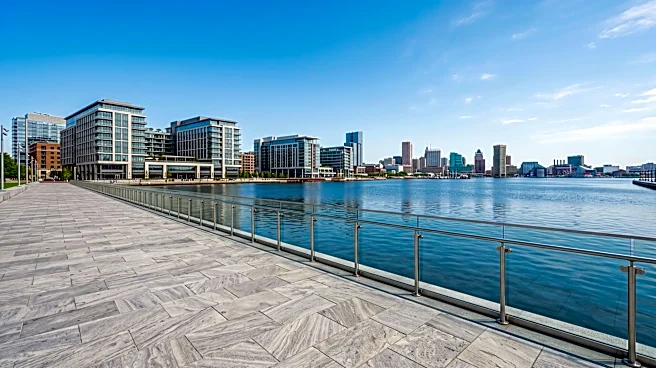
Mayor Brandon M. Scott, the Baltimore Development Corporation (BDC), and developer MCB Real Estate have reached an agreement on the terms for the Harborplace redevelopment project. This agreement follows a 2024 vote by Baltimore residents in favor of
Inner Harbor redevelopment and months of negotiation. The deal, which will be voted on by the Board of Estimates on December 2, 2026, includes a Ground Lease Agreement, a Payment In Lieu of Taxes (PILOT) Agreement, a Community Benefits Agreement, and a Profit Sharing Agreement. Mayor Scott emphasized that his priority was securing a beneficial deal for Baltimore residents, aiming to avoid past scenarios where private developers gained at the city's expense. The agreement is projected to generate significant financial, economic, and community benefits for Baltimore, including an estimated $2 billion in economic activity during construction alone. The city anticipates receiving more than three times the tax revenue compared to the current depreciating pavilions, with these funds directed to the City’s General Fund for critical investments in libraries, housing, recreation centers, parks, and schools.
Why It's Important?
This agreement is crucial for Baltimore's economic future and urban development, particularly for the Inner Harbor area, which has seen its pavilions lose approximately $10 million in assessed value annually. Without this intervention, the existing structures were projected to generate minimal property taxes. The new agreement guarantees a minimum of $543,000 in annual property taxes, totaling $35.36 million over 25 years, significantly boosting city revenue. Beyond direct financial gains, the project is expected to create over 8,500 construction jobs, with 35% of construction hours allocated to city residents and 40% of contracts to DBE/WBE firms. The Community Benefits Agreement includes a $10 million investment in a community fund, overseen by an advisory board, to support initiatives like youth engagement and free outdoor events. This comprehensive approach aims to ensure that the redevelopment benefits a broad spectrum of Baltimoreans, aligning with Mayor Scott's Downtown RISE strategy to create an Inner Harbor that serves all residents.
What's Next?
The agreement is scheduled for a vote at the Board of Estimates meeting on Wednesday, December 2, 2026. If approved, MCB Real Estate will proceed with the redevelopment, which includes demolishing the existing waterfront pavilions, with demolition expected to begin in the first few months of 2027. The project envisions two apartment towers, a luxury hotel, an office building, and a retail and restaurant building. MCB is also required to secure financing for each phase of the project before construction can commence. The city and BDC will provide regular updates, including annual audits of financial statements. Additionally, MCB has committed to establishing a $5 million equity fund, offering Baltimore residents an opportunity to invest directly in the Harborplace project and share in its profits. Public maintenance workers will be represented by a Collective Bargaining Agreement, and MCB is negotiating with UNITE HERE and the Building Trades for their respective workforces.
Beyond the Headlines
The Harborplace redevelopment represents a significant shift in Baltimore's urban planning and economic development strategy, moving away from past deals perceived as solely benefiting private developers. The emphasis on community benefits, local hiring, and profit-sharing mechanisms reflects a broader trend in urban revitalization projects to ensure equitable distribution of economic gains. The inclusion of affordable housing units (10% of new residential units) and the creation of new parks and public spaces underscore a commitment to social and environmental sustainability. This project could serve as a model for other U.S. cities grappling with aging infrastructure and the need for inclusive economic growth. The transparency requirements, such as annual audits and public updates, aim to foster greater public trust and accountability in large-scale development initiatives, addressing historical concerns about the allocation of taxpayer dollars and the impact on local communities.