



What's Happening?
The Georgia Ports Authority (GPA) has publicly announced its support for the proposed merger between Union Pacific and Norfolk Southern. According to Kevin Price, president of the GPA, the merger is crucial for maintaining competitive rail service to inland
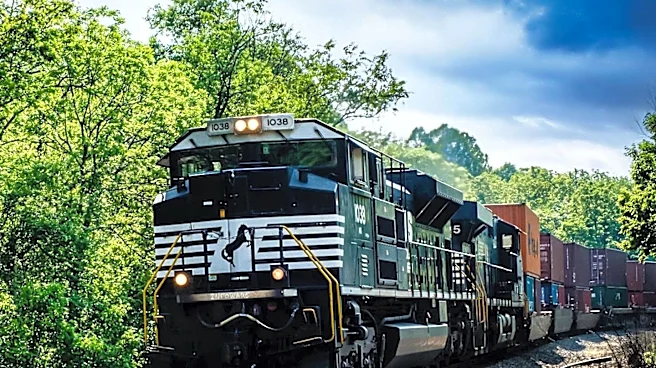
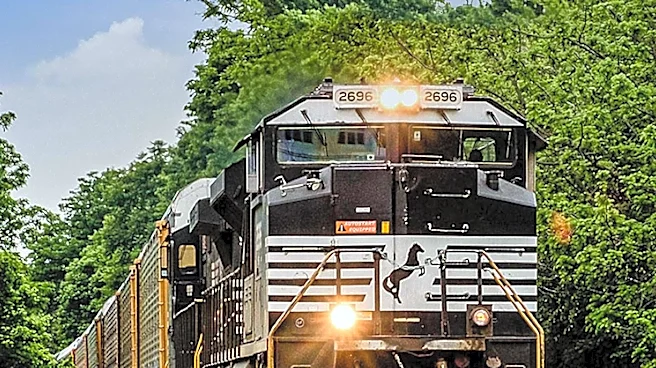
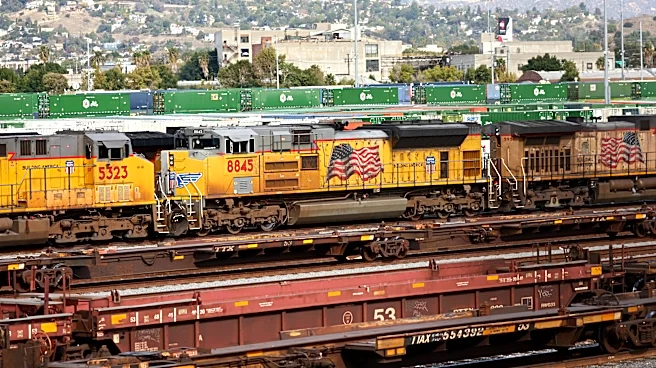
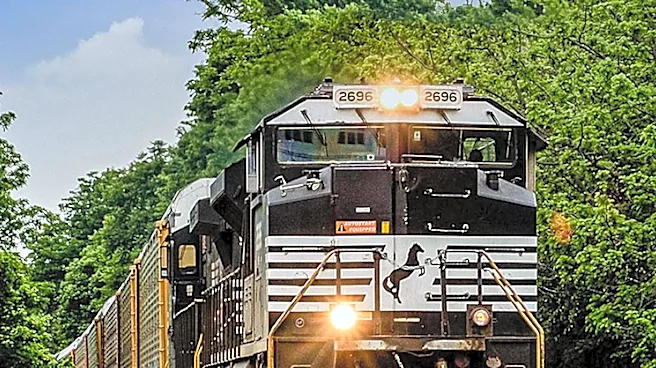
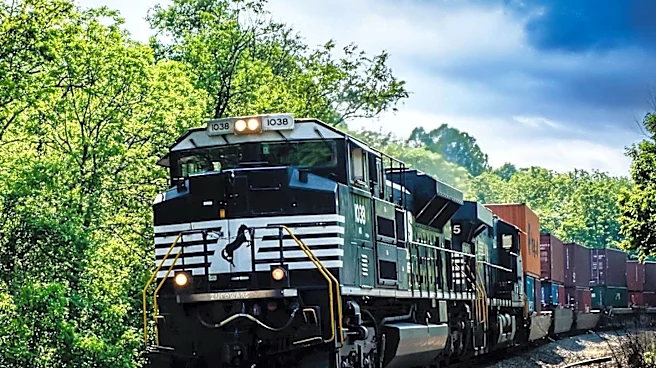
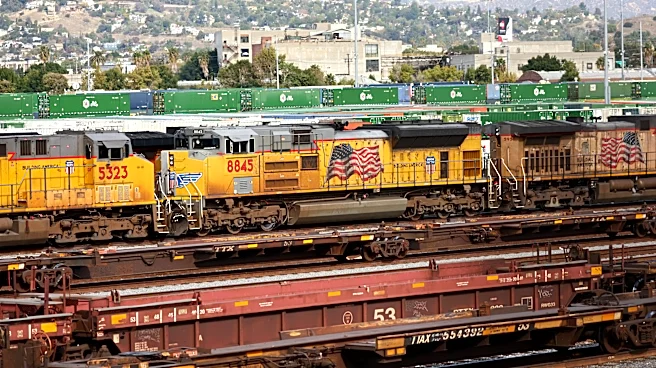
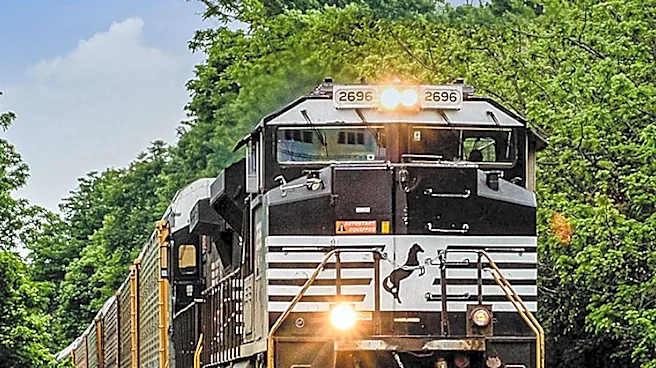
markets, which is a cornerstone of the gateway port model. The GPA, which oversees the Port of Savannah (North America's largest single-terminal container facility) and the Port of Brunswick (the nation's leading gateway for autos and heavy machinery), believes the combined entity would expand service offerings. The merger is expected to build upon existing investments, such as the Gainesville Inland Port in Northeast Georgia, where Norfolk Southern is currently the exclusive rail provider. The GPA joins over 2,000 businesses, labor organizations, public officials, trade associations, and policy experts who have expressed confidence that the transaction will enhance competition, expand market access, strengthen safety, and protect union jobs. The proposed combination aims to create the nation's first seamless transcontinental railroad, connecting Georgia's ports to more markets via a single-line network.
Why It's Important?
This endorsement from the Georgia Ports Authority highlights the significant economic implications of the proposed Union Pacific-Norfolk Southern merger for U.S. logistics and trade. The GPA's operations alone support over 651,000 full- and part-time jobs statewide and generate $174 billion in sales, underscoring the critical role of efficient freight systems. A unified transcontinental railroad, as envisioned by the merger, could streamline supply chains, reduce transit times, and potentially lower shipping costs for businesses relying on rail transport. This would particularly benefit manufacturers and distributors connected to major ports like Savannah and Brunswick, offering them broader access to markets across the country. For the U.S. economy, improved rail infrastructure and service efficiency could enhance competitiveness in global trade, making American goods more accessible and cost-effective for both domestic and international consumers. Conversely, any disruption or failure to deliver on promised efficiencies could have widespread negative impacts on various industries dependent on timely and affordable freight movement.
What's Next?
The proposed merger is currently undergoing review by regulatory bodies, with responses from Union Pacific and Norfolk Southern due by February 16, 2027. A public hearing is scheduled after March 29, followed by final briefs on May 28, 2027. The Surface Transportation Board (STB) is expected to issue a final decision within 90 days of the record's close, with Union Pacific anticipating a possible closing in the third or fourth quarter of 2027. The outcome will determine the future landscape of freight rail in the U.S., potentially leading to the creation of a coast-to-coast Class I railroad. The STB's decision will be closely watched by various stakeholders, including other businesses, labor organizations, and agricultural groups, who have either supported or opposed the merger. The implementation of the merger, if approved, would involve integrating two vast rail networks, a process that would require careful planning to ensure service continuity and avoid disruptions.
Beyond the Headlines
The potential creation of a seamless transcontinental railroad through the Union Pacific-Norfolk Southern merger could represent a significant shift in the U.S. freight transportation paradigm. This development could lead to a re-evaluation of logistics strategies for numerous industries, potentially favoring rail over other modes of transport for long-haul shipments. The emphasis on single-line service to more destinations suggests a move towards greater efficiency and potentially reduced complexity in freight routing. However, the consolidation of such significant rail assets also raises questions about market concentration and potential impacts on competition, particularly for shippers who might find themselves with fewer alternative carriers. The long-term implications could include a reshaping of regional economic development, as areas with enhanced rail access gain a competitive advantage. The merger's success will hinge not only on regulatory approval but also on the combined entity's ability to deliver on its promises of improved service, safety, and market access, while addressing concerns about potential monopolistic practices.