




What's Happening?
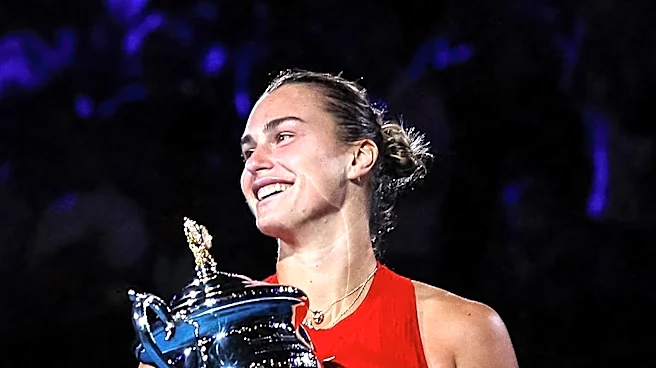
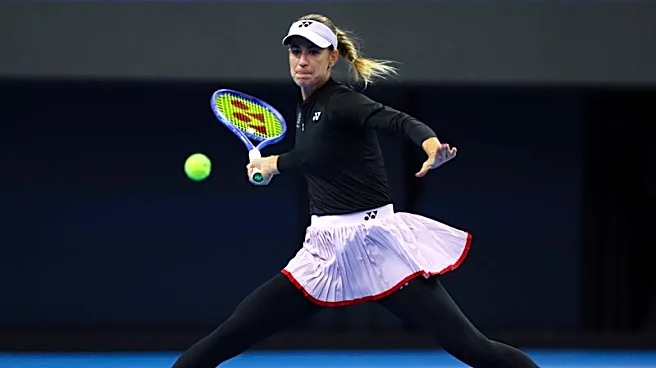
Aryna Sabalenka, the 28-year-old Belarusian tennis star, has been recognized as the world's most marketable athlete for 2026 by SportsPro. This annual ranking, powered by NorthStar, evaluates athletes based on brand equity, momentum, and commercial trajectory.
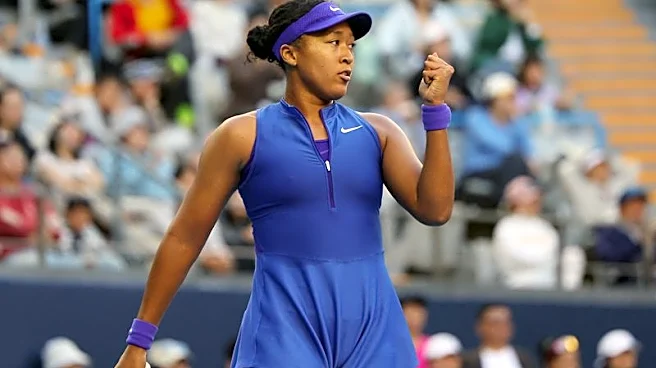
Sabalenka, a four-time Grand Slam champion, finished 2025 as the WTA Tour's top-ranked player for the second consecutive season. Her estimated earnings in 2025 were around US$30 million, equally split between tournament winnings and off-court income. Her endorsement portfolio includes global brands such as Nike, Wilson, Gucci, Emirates, Audemars Piguet, Whoop, and Stella Artois. She is the third tennis player and fourth woman to top SportsPro's list since its inception in 2010, following Naomi Osaka and Genie Bouchard in tennis, and Simone Biles in gymnastics. Sabalenka's rise in marketability is attributed to her dominant performance on the court, her engaging social media presence with 5.8 million Instagram followers and 1.8 million TikTok followers, and her authentic personality.
Why It's Important?
Sabalenka's achievement highlights a significant shift in the commercial landscape of professional sports, emphasizing that marketability is driven by a combination of athletic performance, personal brand, and commercial potential. Her success demonstrates the increasing value placed on athletes who can connect with a global audience beyond their sport. For U.S. industries, particularly in sports marketing, advertising, and luxury goods, Sabalenka's marketability signifies a lucrative opportunity for brand partnerships and endorsements. Her ability to attract major international brands underscores the global reach and influence of top-tier athletes, making them attractive assets for companies seeking to expand their market presence. This trend also indicates that athletes, especially women in sports, are gaining more recognition for their commercial value, potentially leading to increased investment and opportunities in women's sports. Her high 'monetization headroom' suggests that her commercial returns still lag her overall brand profile, indicating significant untapped potential for future earnings and brand collaborations.
What's Next?
The immediate focus for Sabalenka and her management agency, Evolve, is to sustain and grow her cash-based partnerships while she remains at her competitive peak. This strategy aims to maximize her current commercial value through continued endorsement deals and promotional activities. In the longer term, there is potential for equity investments as she considers post-career opportunities, indicating a strategic approach to building a lasting financial legacy beyond her playing days. Her ongoing development of a media platform, including a YouTube docuseries 'Aryna's Arena,' suggests a move towards greater control over her narrative and direct engagement with her fanbase, which could evolve into a significant revenue stream. This initiative also positions her as a content creator, further diversifying her commercial portfolio and strengthening her personal brand. Her continued presence in high-profile events like the WTA Finals will also maintain her visibility and appeal to potential sponsors.
Beyond the Headlines
Sabalenka's journey to becoming the world's most marketable athlete reveals deeper implications regarding athlete management and brand development. Her decision to switch from IMG Tennis to Evolve, a boutique agency co-founded by Naomi Osaka, underscores the importance of personalized management and the athlete's desire for greater control over their off-court interests. This move was reportedly driven by frustration over a lack of endorsement opportunities and a perceived reluctance from brands due to her nationality. Her subsequent success with Evolve highlights the effectiveness of tailored brand-building strategies that leverage an athlete's unique personality and social media presence. Furthermore, her engagement in projects like 'Aryna's Arena' signifies a growing trend among athletes to become media proprietors, owning their stories and intellectual property. This shift empowers athletes to cultivate deeper connections with their audience and unlock new commercial avenues, moving beyond traditional endorsement models to create more integrated and authentic brand experiences.