







What's Happening?
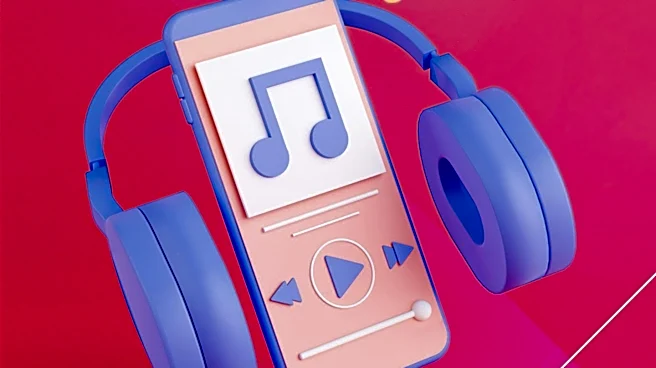
Cloud audio streaming has fundamentally reshaped how individuals consume audio content, moving away from physical formats and local file storage to on-demand access from remote servers. This technology allows users to instantly access vast libraries of
music, podcasts, and audiobooks without needing to download or manage individual files. When a user plays a song through a streaming application, the audio data is broken into small packets and sent continuously from a cloud server to the user's device, where it is decoded and played in real-time. This process is so efficient that it creates the illusion of local playback, despite the content residing remotely. Content delivery networks further enhance this experience by storing popular content closer to users, minimizing delays and improving reliability. The shift to cloud streaming has made physical storage limitations largely obsolete for most listeners, providing unparalleled convenience and access to a diverse range of audio content.
Why It's Important?
The widespread adoption of cloud audio streaming carries significant implications across various sectors. For consumers, it offers instant access to millions of tracks and shows, eliminating the need for device storage and manual file management. This convenience has become a standard expectation, influencing how people discover new content through personalized recommendations driven by listening data. For artists and the music industry, cloud streaming provides a direct channel to global audiences, reducing reliance on traditional physical sales and radio play. Businesses, particularly in retail, leverage cloud streaming for background music, allowing for remote updates, scheduled playlists, and consistent audio experiences across multiple locations. The technology also underpins the functionality of smart speakers and voice assistants, enabling instant, hands-free access to audio content. This transformation has created new revenue models and distribution channels, while also posing challenges related to data usage, subscription costs, and the varying quality of streamed audio.
What's Next?
The future of cloud audio streaming is expected to be characterized by increased personalization and efficiency, largely driven by advancements in artificial intelligence. AI will likely play a more prominent role in content recommendation, automatic sound quality adjustments, and the generation of personalized playlists tailored to mood or activity. As global internet infrastructure continues to improve, higher-quality audio streaming is anticipated to become the standard rather than a premium feature. Furthermore, cloud audio streaming may evolve to include more interactive experiences, such as collaborative playlists and real-time audio sharing among multiple users, fostering a more social listening environment. These developments suggest a continuous evolution of how individuals engage with audio content, making the experience even more integrated, intuitive, and personalized in the coming years.
Beyond the Headlines
Beyond the immediate benefits of convenience and access, cloud audio streaming raises deeper implications concerning data privacy, content ownership, and the evolving relationship between creators and consumers. The reliance on cloud servers means that user listening habits are extensively tracked, providing valuable data for personalized recommendations but also prompting questions about data security and how this information is utilized. The shift from owning physical media to subscribing for access also redefines the concept of ownership in the digital age. For artists, while streaming offers broad reach, debates continue regarding fair compensation and the distribution of royalties. Culturally, the instant availability of almost any song or podcast has altered discovery patterns, potentially leading to a more homogenized listening experience or, conversely, enabling niche genres to find wider audiences. The ethical considerations around AI-generated music, as noted by platforms like Deezer, also highlight a growing tension between human creativity and technological advancement in the audio landscape.