


What's Happening?
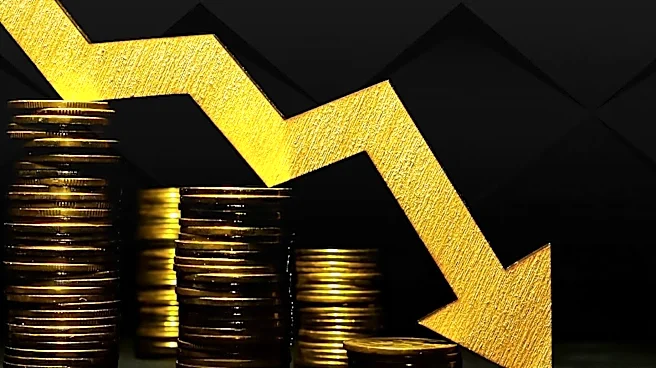
Global gold prices are experiencing a significant decline, influenced by several U.S. economic factors. The U.S. Dollar Index (DXY) has reached a 19-month high, making gold, which is priced in U.S. dollars, more expensive for international buyers and
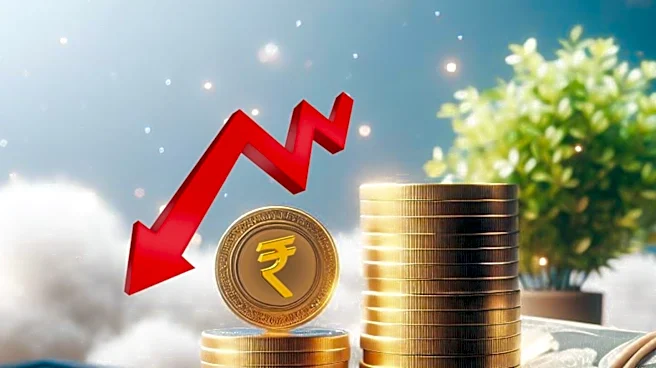
thus reducing demand. Concurrently, U.S. 10-year Treasury yields have risen above 5.10%, offering high, risk-free returns that draw institutional capital away from non-yielding assets like gold. Furthermore, there is a more than 90% probability of another 25-basis-point interest rate hike by the U.S. Federal Reserve at its December 2026 Federal Open Market Committee (FOMC) meeting. This expectation of higher interest rates increases the opportunity cost of holding gold, prompting institutional investors to shift their portfolios. These global pressures, combined with internal Indian market factors such as a strengthened Indian Rupee and increased import duties, have led to a 32% drop in Indian gold prices from their January 2026 peak.
Why It's Important?
The decline in global gold prices, significantly driven by U.S. economic policies and market indicators, has broad implications for investors and the global financial landscape. A strong U.S. dollar and rising Treasury yields make dollar-denominated assets more attractive, potentially diverting investment from commodities like gold. This shift reflects investor confidence in the U.S. economy and its monetary policy direction. For U.S. investors, higher Treasury yields offer a safer alternative to gold, potentially leading to portfolio rebalancing. Globally, countries that import gold, like India, face reduced landed costs due to the stronger dollar, but also contend with their own domestic policies, such as import duties, which further impact local demand and pricing. The Federal Reserve's anticipated rate hike signals a continued hawkish stance to combat inflation, which could further strengthen the dollar and maintain pressure on gold prices, affecting investment strategies worldwide.
What's Next?
The trajectory of gold prices is expected to remain influenced by upcoming U.S. Federal Reserve decisions. Market participants are closely watching the FOMC meeting in December 2026, where a rate hike is highly anticipated. This potential rate increase could further strengthen the U.S. dollar and elevate Treasury yields, continuing to exert downward pressure on global gold prices. Investors will likely monitor inflation data and Federal Reserve communications for any shifts in monetary policy outlook. Should the Federal Reserve maintain its hawkish stance, institutional investors may continue to favor interest-bearing assets over gold. Conversely, any unexpected dovish signals or economic downturns in the U.S. could potentially reverse the trend, making gold a more attractive safe-haven asset. The interplay between U.S. monetary policy and global economic conditions will be crucial in determining gold's short-to-medium-term price movements.
Beyond the Headlines
The current trend in gold prices highlights a broader narrative of global financial interconnectedness and the dominant influence of U.S. economic policy. The strength of the U.S. dollar and the Federal Reserve's interest rate decisions ripple across international markets, affecting commodity prices, currency valuations, and investment flows worldwide. This situation underscores the dollar's role as a global reserve currency and the impact of U.S. monetary tightening on global liquidity and asset allocation. Beyond immediate price fluctuations, this scenario could prompt a re-evaluation of gold's role as an inflation hedge or safe-haven asset in an environment of rising interest rates and a strong dollar. It also brings into focus the differing economic priorities and policies of various nations, as seen with India's import duties, which can either amplify or mitigate global market trends locally. The long-term implications could include shifts in global investment strategies and a re-assessment of risk in a tightening monetary environment.