






What's Happening?
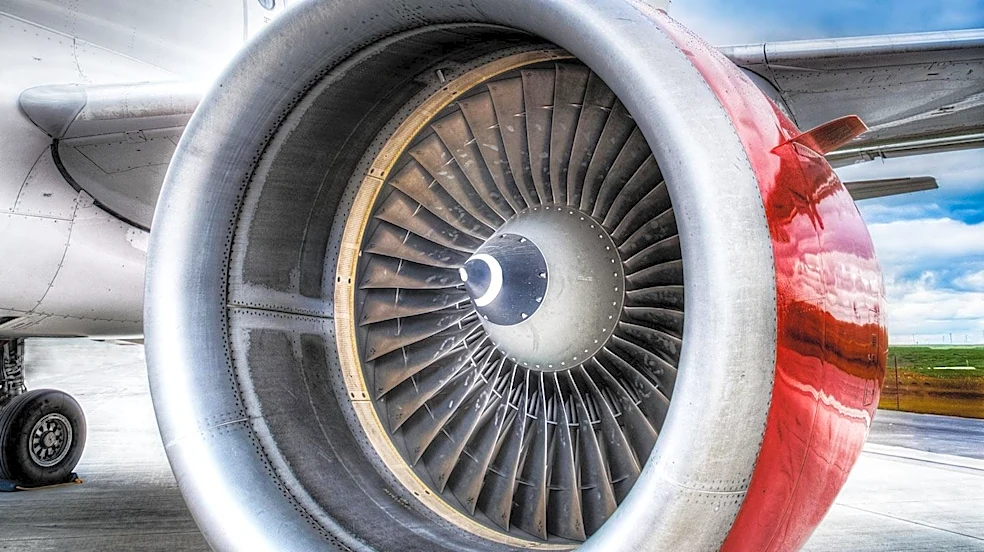
H. Lawrence Culp, Chairman and CEO of GE Aerospace, has announced a significant partnership with Turkish Airlines. This collaboration involves a memorandum of understanding (MoU) with CFM International for over 300 LEAP-1B engines, including spares, to
power 100 firm and 50 optional Boeing 737 MAX aircraft. The agreement extends to long-term services for Turkish Airlines and its subsidiary AJet's entire LEAP-1B fleet, encompassing more than 600 engines, including those on leased aircraft and previously delivered units. Additionally, a material services agreement is set to facilitate the establishment of an engine maintenance, repair, and overhaul (MRO) facility in Türkiye. This initiative aims to bolster Türkiye's aviation maintenance capabilities. Mr. Culp expressed pride in partnering with Turkish Airlines, emphasizing the trust placed in CFM to provide reliable and efficient engines to support the airline's growth and MRO development.
Why It's Important?
This partnership is strategically important for GE Aerospace as it solidifies its position as a key engine supplier in the global aviation market, particularly with a rapidly expanding airline like Turkish Airlines. For the U.S. aerospace industry, securing such large-scale engine contracts translates into sustained manufacturing activity, job creation, and continued investment in research and development for advanced engine technologies. The long-term service agreements ensure a steady revenue stream for GE Aerospace and its partners, contributing to the stability of the U.S. industrial base. Furthermore, the establishment of an MRO facility in Türkiye, supported by U.S. expertise, enhances global aviation infrastructure and strengthens international trade relations. This collaboration underscores the critical role of U.S. aerospace technology in supporting the growth and operational efficiency of major international carriers, thereby reinforcing U.S. economic influence in the global aviation sector.
What's Next?
Following the signing of the MoU, the next steps will involve the formalization of definitive agreements between Turkish Airlines, Turkish Technic, and CFM International. The focus will then shift to the delivery schedule of the LEAP-1B engines for the Boeing 737 MAX aircraft. Concurrently, efforts will commence on establishing the engine maintenance, repair, and overhaul facility in Türkiye, which will require significant logistical planning, investment in infrastructure, and training of personnel. This MRO facility is expected to become operational in the coming years, providing comprehensive maintenance services for the LEAP engine fleet. The partnership will also involve ongoing collaboration to ensure the operational efficiency and reliability of the engines, supporting Turkish Airlines' fleet expansion and network growth. This long-term commitment suggests a sustained relationship between the parties, with potential for further collaborations in the future.
Beyond the Headlines
This agreement extends beyond a simple commercial transaction, reflecting broader trends in global industrial strategy and supply chain resilience. The decision to establish an MRO facility in Türkiye highlights a move towards decentralizing maintenance capabilities and fostering local expertise, which can have long-term implications for regional economic development and technological transfer. For GE Aerospace, this strategy not only secures a significant market share but also mitigates risks associated with centralized maintenance operations. It also underscores the increasing importance of comprehensive service packages, including maintenance and repair, as a critical component of aerospace contracts. This approach can lead to deeper integration between manufacturers and airlines, fostering a more collaborative ecosystem for aviation technology and services. The partnership also subtly reinforces the global interconnectedness of the aerospace industry, where U.S. innovation plays a pivotal role in supporting international carriers and their operational needs.