



What's Happening?
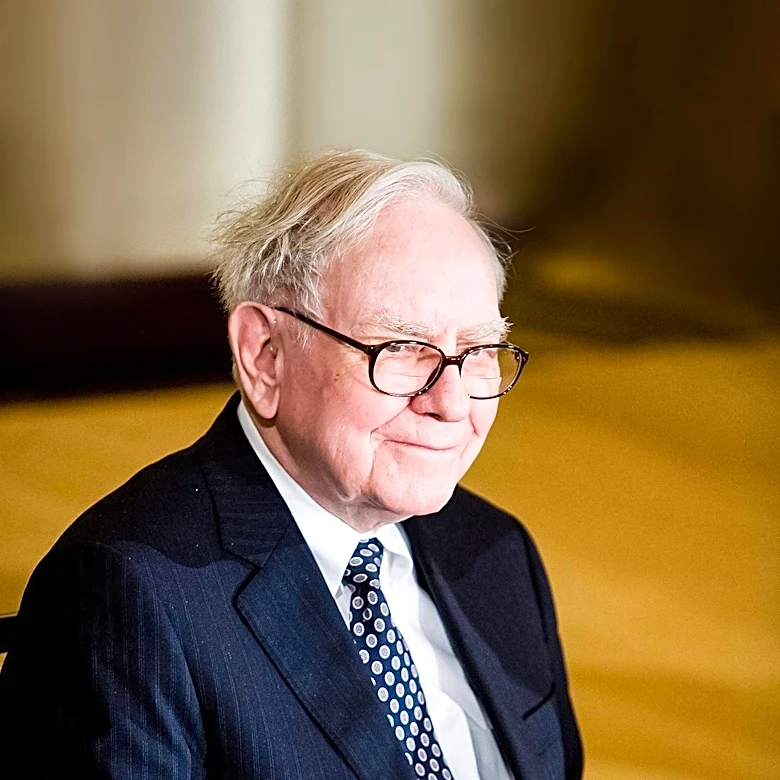
Following Warren Buffett's retirement as CEO, Greg Abel has taken the helm of Berkshire Hathaway, managing its $362 billion investment portfolio. Despite some changes, including Abel divesting 16 non-core positions in the first quarter, the core principle
of portfolio concentration remains. As of the end of October, nearly 71% ($255.2 billion) of Berkshire's portfolio is invested in seven standout stocks. These include Apple ($78.55 billion, 21.7%), American Express ($48.38 billion, 13.4%), Coca-Cola ($37.63 billion, 10.4%), Alphabet ($29.61 billion, 8.2%), Bank of America ($24.17 billion, 6.7%), Chevron ($19.87 billion, 5.5%), and Occidental Petroleum ($16.96 billion, 4.7%). Several of these, such as American Express and Coca-Cola, are long-held 'indefinite' positions from Buffett's era, known for their competitive advantages and significant yields relative to Berkshire's cost basis.
Why It's Important?
The continuity of a highly concentrated portfolio under Greg Abel signals a steadfast adherence to Warren Buffett's long-standing investment philosophy at Berkshire Hathaway. This approach, focusing on a select number of high-conviction investments, suggests that the company will continue to prioritize deep understanding and long-term commitment to businesses with strong fundamentals and competitive advantages. For the broader market, Berkshire's significant holdings in these companies can influence their stock performance and investor sentiment. The continued faith in legacy holdings like Coca-Cola and American Express, alongside newer tech giants like Apple and Alphabet, demonstrates a balanced strategy that values both established stability and strategic growth opportunities. This strategy provides a benchmark for other large institutional investors and individual investors seeking to emulate a disciplined, value-oriented approach.
What's Next?
Under Greg Abel's leadership, Berkshire Hathaway is expected to continue its disciplined approach to capital allocation, potentially making further adjustments to its non-core holdings while maintaining its significant stakes in the top seven companies. Investors will closely watch Abel's future investment decisions for any subtle shifts in strategy or new areas of focus, particularly as market dynamics evolve. The performance of these seven key stocks will heavily influence Berkshire Hathaway's overall returns, and any significant changes in their business outlook or market conditions could prompt further portfolio adjustments. The ongoing management of these substantial positions will be a key indicator of Abel's long-term vision for the conglomerate.
Beyond the Headlines
The transition from Warren Buffett to Greg Abel at Berkshire Hathaway represents a critical test of succession planning in the corporate world. The decision to maintain a concentrated portfolio, deeply rooted in Buffett's philosophy, suggests a commitment to continuity and proven strategies rather than a radical departure. This approach implicitly argues for the enduring power of fundamental analysis and long-term value investing in an era often characterized by rapid trading and short-term gains. The continued reliance on a few key holdings also highlights the immense trust placed in the management and competitive advantages of these companies. This strategy could serve as a case study for how large, diversified conglomerates can navigate leadership changes while preserving their core investment identity and market influence.