





What's Happening?
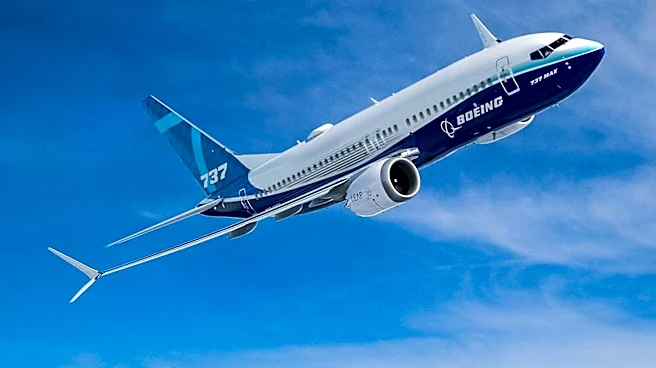
Alaska Airlines is set to retire its fleet of 11 Boeing 737-700 aircraft, which are approximately 25 to 26 years old, starting early next year with completion expected by the end of summer. These older planes will be replaced by larger Boeing 737-800
Series aircraft, which are already part of the airline's existing fleet of nearly 240 twin-engine jets. The transition aims to increase both passenger and cargo capacity, particularly on routes through Southeast Alaska, often referred to as the 'milk run' from Seattle to various Alaskan cities. The 800 Series jets are configured for 161 passengers, offering a 37-seat gain over the 124-passenger 700 Series. Additionally, the 800 Series is about 20 feet longer and provides approximately 50% more room for luggage and freight in its belly. The retired 737-700s are likely to be sent to aircraft 'graveyards' in warmer, drier climates like Arizona. The airline's three all-cargo 737-700 aircraft will not be retired.
Why It's Important?
This fleet modernization by Alaska Airlines is significant for several reasons. The increase in passenger capacity, with 37 more seats per flight on the 800 Series, will allow the airline to serve more travelers on popular routes, potentially leading to increased revenue and market share. The substantial boost in cargo capacity, particularly beneficial for seafood shippers in Alaska, highlights the airline's commitment to supporting regional industries and improving logistics. Furthermore, the newer 800 Series aircraft are equipped with faster in-flight Wi-Fi, enhancing the passenger experience and aligning with modern travel expectations. This strategic upgrade could improve operational efficiency, reduce maintenance costs associated with older aircraft, and potentially offer better fuel efficiency, contributing to the airline's profitability and environmental goals. The move also demonstrates Alaska Airlines' continuous investment in its fleet to meet growing demand and maintain a competitive edge in the U.S. airline industry.
What's Next?
Alaska Airlines will begin phasing out its 737-700 fleet early next year, with the full retirement anticipated by the end of summer. The airline will reallocate its existing 737-800 Series aircraft to cover the routes previously served by the smaller planes. This transition will involve logistical planning for route adjustments, crew training for the larger aircraft, and the eventual decommissioning of the 737-700s. Passengers on Southeast Alaska routes can expect to experience the benefits of increased capacity and improved in-flight amenities as the 800 Series planes are integrated. The airline will continue to bring on new airplanes as part of its ongoing fleet management strategy. The impact on air travel and cargo services in the region will be closely monitored as the changes are implemented.
Beyond the Headlines
The decision to retire older aircraft and upgrade to newer, larger models reflects a broader trend in the aviation industry towards optimizing fleet efficiency and enhancing passenger experience. While the immediate benefits include increased capacity and improved amenities, there are deeper implications. The move towards more modern aircraft often involves advanced technology, which can lead to better fuel efficiency and reduced carbon emissions, aligning with growing environmental concerns. The 'graveyard' destination for retired planes also highlights the lifecycle management of commercial aircraft, a complex process involving maintenance, resale, or dismantling. This strategic shift by Alaska Airlines could set a precedent for other regional carriers facing similar challenges with aging fleets and evolving market demands, emphasizing the importance of continuous investment in infrastructure to remain competitive and sustainable in the long term.