





What's Happening?
The Los Angeles Department of Building and Safety (LADBS) has issued Information Bulletin IB-BC-2026-164, effective September 14, 2026, to provide guidance for property owners and design professionals converting existing commercial office space into residential
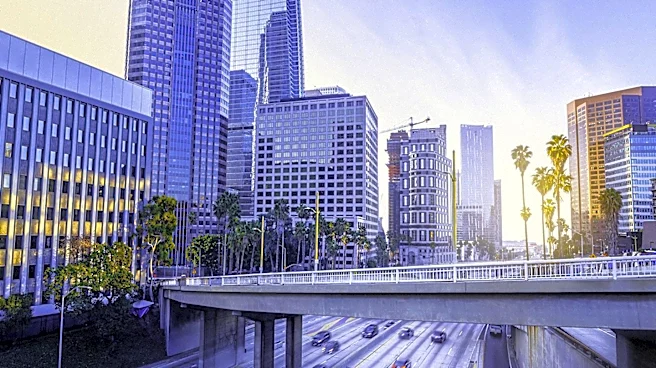
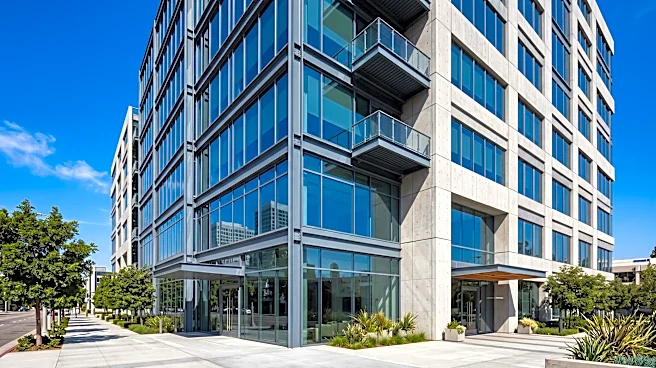
units. This guidance addresses compliance options, fire safety, egress exceptions, and structural seismic standards. The Citywide Adaptive Reuse Ordinance has expanded eligibility for streamlined housing conversion to more buildings across Los Angeles, allowing qualifying buildings that are at least 15 years old and located in specific zones to potentially receive by-right approval from LADBS. However, a change in occupancy from office to residential still triggers a comprehensive review of structural integrity, accessibility, egress, and fire protection under current code standards, involving both LADBS and the Los Angeles Fire Department (LAFD).
Why It's Important?
This new guidance and the expanded Adaptive Reuse Ordinance are crucial for addressing Los Angeles's housing shortage by facilitating the conversion of underutilized office buildings into residential spaces. For Southern California contractors, understanding the LADBS's code-path and permitting process is vital for efficient project execution, as it can significantly impact timelines and costs. While streamlined zoning can accelerate some projects, the technical complexities of converting office buildings to housing, including structural, fire-life-safety, and accessibility requirements, remain substantial. This initiative aims to reduce administrative barriers, but contractors must conduct thorough due diligence to assess eligibility, existing conditions, and potential challenges before bidding or commencing work, ensuring compliance with California Building Code and local Los Angeles requirements.
What's Next?
Contractors and developers in Los Angeles will need to closely adhere to the new LADBS Information Bulletin IB-BC-2026-164 and the Citywide Adaptive Reuse Ordinance. Early coordination with owners, architects, and planning consultants will be essential to determine whether a project qualifies for by-right approval or requires additional City Planning review, which can affect schedules and budgets. The LAFD's involvement in reviewing fire and life-safety issues will also be critical, necessitating early engagement of fire-protection expertise. The ongoing efforts to streamline these conversions are expected to continue, with potential for further policy adjustments as the city gains more experience with these projects. The success of these conversions will depend on effective collaboration between all stakeholders and a clear understanding of the regulatory framework.
Beyond the Headlines
The push for office-to-residential conversions in Los Angeles reflects a broader national trend of urban adaptation in response to changing economic and social landscapes. The decline in traditional office occupancy, exacerbated by remote work trends, presents an opportunity to address critical housing shortages in dense urban centers. However, these conversions are not without their challenges, including the significant costs associated with structural modifications, updating building systems, and meeting stringent residential codes. The emphasis on 'by-right' approvals aims to reduce bureaucratic hurdles, but the underlying technical complexities highlight the need for specialized expertise in adaptive reuse. This shift could redefine urban cores, transforming them from primarily commercial districts into more vibrant, mixed-use neighborhoods, but also raises questions about the long-term viability and affordability of such developments.