




What's Happening?
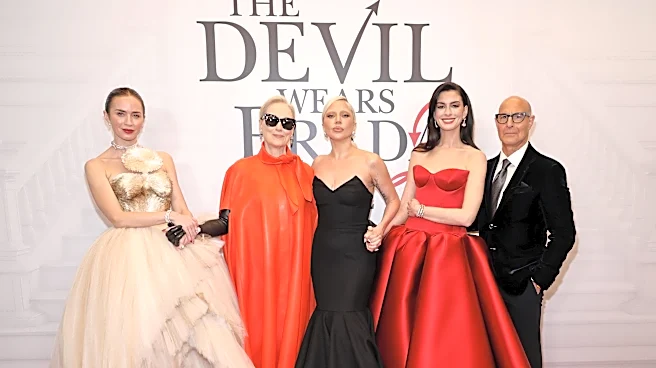
The 2006 film adaptation of Lauren Weisberger's novel, 'The Devil Wears Prada,' presents a notably different narrative and character motivations compared to the 2003 book. A key divergence lies in Andrea Sachs's reasons for leaving her demanding job at Runway
magazine. In the novel, Andy's departure is triggered by her best friend Lily falling into a coma after a drunk driving accident, leading Andy to finally confront Miranda Priestly. Conversely, the film portrays Andy's exit as a more deliberate choice, made after Miranda's professional betrayal of Nigel and a realization about her own compromises, culminating in her walking away from Miranda in Paris and discarding her phone. The film also alters supporting characters; Andy's boyfriend is a chef named Nate in the movie, rather than Alex, a teacher in the book. Lily's role is also diminished in the film, where she merely observes Andy's changing priorities, as opposed to her critical role in the book's climax. These changes fundamentally shift the story's focus from external crisis to internal moral reckoning.
Why It's Important?
These narrative alterations in 'The Devil Wears Prada' film adaptation highlight the distinct approaches taken when translating literary works to the screen, often reflecting different thematic priorities and audience expectations. The film's choice to emphasize Andy's personal growth and moral agency over a tragic external event creates a more character-driven arc, which can resonate differently with viewers. This shift impacts how themes of ambition, integrity, and personal sacrifice are perceived. By making Andy's decision to leave more of a conscious choice, the film potentially offers a more empowering message about self-worth and career fulfillment. For the entertainment industry, such adaptations demonstrate the creative liberties often taken to enhance cinematic appeal, streamline plotlines, or broaden audience engagement, sometimes at the expense of the original author's specific narrative intentions. This also influences how audiences engage with adaptations, often leading to discussions about fidelity to source material versus artistic interpretation.
What's Next?
The enduring popularity of 'The Devil Wears Prada' in both its book and film forms suggests continued interest in stories exploring the complexities of ambition, workplace dynamics, and personal values. Future adaptations of popular novels may continue to navigate the balance between faithfulness to the source material and creative reinterpretation for a new medium. The success of the film's altered ending could influence how screenwriters approach adaptations, potentially encouraging more significant deviations from original plots if they are perceived to enhance the story's emotional impact or thematic resonance for a broader audience. Discussions among fans and critics about which version is superior are likely to persist, underscoring the subjective nature of storytelling and adaptation. The film's continued streaming success also indicates that its narrative choices have resonated with a wide audience, potentially inspiring similar thematic explorations in future productions.
Beyond the Headlines
The differing endings of 'The Devil Wears Prada' novel and film offer a compelling case study in how cultural values and storytelling conventions influence narrative outcomes. The book's ending, driven by a friend's tragic accident, grounds Andy's decision in a stark reality check about life's priorities beyond career ambition. In contrast, the film's ending, where Andy makes a conscious choice to reject the cutthroat fashion world, emphasizes individual agency and moral integrity. This shift reflects broader societal discussions about work-life balance and the ethical compromises often demanded by high-pressure careers. The film's portrayal of Miranda Priestly also evolves, with a subtle hint of respect for Andy's decision, suggesting a more nuanced view of power dynamics and mentorship. This adaptation highlights how popular culture narratives can both reflect and shape societal attitudes towards ambition, success, and personal fulfillment, offering different perspectives on what it means to 'win' in a demanding professional environment.