







What's Happening?
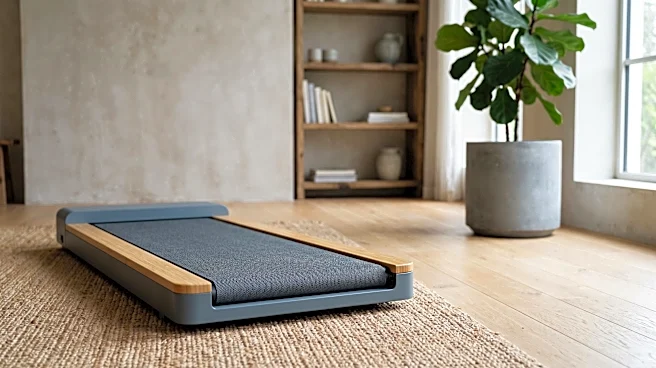
Walking pads provide a practical method to increase daily steps and replace prolonged sitting with light activity, according to controlled studies. These devices, essentially stripped-back treadmills designed for strolling, can help improve blood sugar
and insulin levels after meals through short walking breaks. While they are effective in boosting light activity and energy expenditure compared to sedentary work, evidence for long-term weight loss, increased fitness, or disease prevention from the machine alone is considered weak. The primary benefit lies in making walking more accessible, rather than any unique features of the pad itself. Studies indicate that frequent walking breaks, even short ones, can significantly lower post-meal glucose and insulin responses. However, these are short-term metabolic effects observed in controlled settings and do not prove that walking pad use prevents diabetes or replaces medical treatment.
Why It's Important?
The integration of walking pads into daily routines, particularly for individuals with desk-bound jobs, holds significant importance for public health in the U.S. Prolonged sedentary behavior is a known risk factor for various health issues, including cardiovascular disease and type 2 diabetes. By offering an accessible way to incorporate movement, walking pads can contribute to reducing the national burden of these conditions. The ability to improve blood sugar and insulin levels after meals, even with short breaks, is crucial for managing metabolic health, which is a growing concern in the U.S. The emphasis on replacing sitting time with light activity aligns with public health guidance advocating for reduced sedentary periods. While not a cure-all, these devices can empower individuals to take proactive steps towards a more active lifestyle, potentially leading to a healthier workforce and reduced healthcare costs associated with sedentary-related illnesses.
What's Next?
As awareness of the benefits of reducing sedentary time grows, the adoption of walking pads and similar active workstations is likely to increase in U.S. homes and offices. Future developments may focus on integrating these devices with smart technology to provide personalized feedback and motivation, further enhancing their effectiveness. Research will likely continue to explore the long-term health outcomes associated with consistent walking pad use, particularly regarding weight management and chronic disease prevention. Manufacturers may also innovate to address current limitations, such as noise levels and the impact on typing accuracy, to make walking pads more seamlessly integrated into various work environments. Public health campaigns could also leverage these findings to encourage more frequent movement throughout the day, promoting a shift from prolonged sitting to active breaks.
Beyond the Headlines
The rise of walking pads reflects a broader societal shift towards recognizing the detrimental effects of prolonged sitting and the value of continuous, low-intensity movement. This trend extends beyond physical health, touching upon mental well-being and productivity. While the immediate benefits are metabolic and activity-based, the deeper implication is a re-evaluation of how work and daily life are structured to better support human health. The challenge lies in fostering sustainable habits, as studies show that maintaining routine use can be difficult. This highlights the need for behavioral science to inform the design and implementation of such tools, ensuring they are not just purchased but consistently utilized. Furthermore, the distinction between light activity on a walking pad and more vigorous exercise underscores the importance of a holistic approach to fitness, where various forms of movement contribute to overall health rather than relying on a single solution.