







What's Happening?
The concept of minimalism is being promoted as a method to achieve a calmer, less cluttered life through intentional purchasing and distraction reduction. The approach suggests focusing spending on items that genuinely add value and implementing a 'one-in,
one-out' rule for managing possessions. This rule dictates that for every new item brought into a home, an existing item of a similar category should be removed. For those actively seeking to reduce clutter, a more aggressive 'one-in, three-out' rule can be temporarily applied. The goal is not necessarily to own fewer items, but to be more deliberate about consumption and to minimize distractions beyond physical possessions, such as an overloaded to-do list or excessive social media use. This perspective allows individuals to integrate minimalist principles without fully adopting a minimalist lifestyle, enabling them to retain cherished belongings and decorate their homes.
Why It's Important?
This approach to minimalism is important for U.S. consumers and households as it offers a practical framework for managing personal finances and reducing consumer debt by encouraging intentional spending. By focusing on value-adding purchases, individuals can potentially decrease impulse buying and allocate resources more effectively towards experiences or items that genuinely enhance their well-being. The 'one-in, one-out' rule provides a tangible strategy for combating clutter, which can lead to improved mental clarity and reduced stress in living environments. Furthermore, by extending minimalist principles to minimize digital distractions, individuals can reclaim time and attention, fostering greater productivity and a healthier work-life balance. This shift towards intentionality can empower consumers to make more conscious choices, potentially influencing market demand for durable, high-value goods over disposable, trend-driven products.
What's Next?
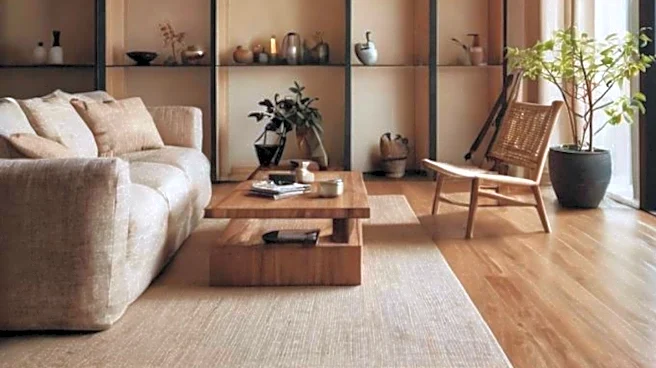
Individuals can begin implementing these principles by identifying one area of their life to apply intentionality, such as creating a shopping list for all purchases or designating a 'maybe' box for decluttering. The article suggests experimenting with a 'no-buy' period for discretionary items to observe its effects. Future trends, such as 'restorative minimalism' anticipated for 2027, indicate a continued evolution of these concepts, focusing on creating peaceful living environments with natural colors, organic materials, and comfortable textures. This suggests a growing emphasis on holistic well-being and sustainable living within the minimalist movement. Businesses may respond by offering more products designed for longevity, multi-functionality, and eco-friendliness, catering to consumers seeking intentional and clutter-free lifestyles.
Beyond the Headlines
The broader implications of this minimalist approach extend to societal values and environmental sustainability. By encouraging intentional consumption, it challenges the prevailing consumerist culture that often prioritizes quantity over quality and immediate gratification. This shift could lead to a reduction in waste and a more sustainable use of resources, as consumers become more mindful of the environmental impact of their purchases. Ethically, it promotes a more conscious relationship with material possessions and digital engagement, potentially fostering greater appreciation for non-material aspects of life. Culturally, it could contribute to a redefinition of success and well-being, moving away from material accumulation towards a focus on experiences, personal growth, and a less cluttered existence. The historical context provided by the 1958-1968 documentary on American minimalism in art suggests a recurring societal interest in simplicity and intentionality.