






What's Happening?
Experts are raising concerns about the potential negative impacts of excessive headphone use, particularly among Gen Z, on social interaction and mental well-being. Many young people, like 24-year-old Atira Gali, report listening to music or podcasts
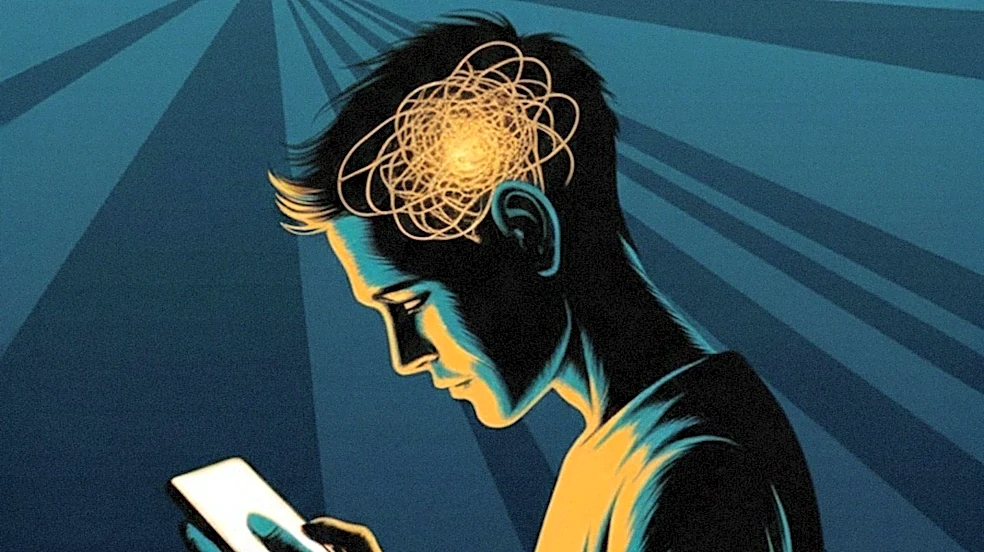
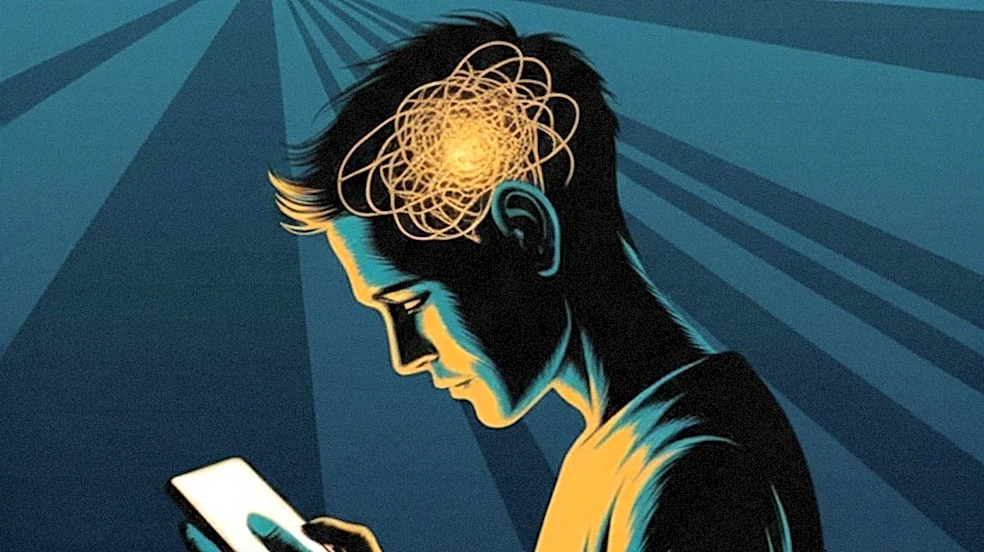
for significant portions of their day, with some spending an average of 4.5 hours daily. This constant auditory engagement, while seemingly harmless, is believed to hinder opportunities for meaningful human connection and the ability to regulate one's own mind. Dr. Gloria Mark, a chancellor's professor of informatics at the University of California, Irvine, suggests that headphones are often used to shield individuals from others. Richard Davidson, founder and director of the Center for Healthy Minds at the University of Wisconsin–Madison, observes a significant increase in headphone use among university students, leading to a reduction in spontaneous social interactions.
Why It's Important?
This trend has significant implications for the social fabric and mental health of young Americans. The constant use of headphones can contribute to feelings of loneliness, an emotion already affecting a substantial portion of the U.S. population. Experts argue that even brief, everyday interactions with strangers are crucial for well-being, and headphones actively block these opportunities. Furthermore, the continuous external stimulation prevents individuals from experiencing silence and allowing their minds to wander, which is essential for self-reflection and mental clarity. This reliance on external input to avoid boredom or unwanted thoughts may offer a temporary escape but can hinder the development of internal coping mechanisms and mindfulness, potentially exacerbating issues like anxiety and depression in the long run. The shift away from spontaneous social engagement could also impact community building and the development of empathy.
What's Next?
As awareness of these potential issues grows, there may be increased discussions and initiatives aimed at promoting more balanced digital habits and encouraging mindful engagement with one's surroundings. Educational institutions and wellness programs might begin to address the impact of constant headphone use on social development and mental health. Individuals like Atira Gali, who experimented with foregoing headphones, may inspire others to re-evaluate their own habits and seek out more present and connected experiences. Research into the long-term psychological and social effects of this trend is likely to continue, potentially leading to recommendations for healthier technology use. There could also be a cultural shift towards valuing moments of silence and unstructured thought, moving away from the constant need for external stimulation.
Beyond the Headlines
The widespread adoption of headphones as a constant companion reflects a deeper societal trend towards individualization and the creation of personal 'sound bubbles' in public spaces. This phenomenon raises questions about the future of public interaction and the collective experience of shared environments. It also highlights a potential paradox: while technology aims to connect us, its overuse can lead to isolation. The loss of 'mind-wandering' time, as noted by experts, could have profound implications for creativity, problem-solving, and emotional regulation, as these processes often benefit from periods of unstructured thought. This issue extends beyond Gen Z, suggesting a broader challenge for all age groups in finding a healthy balance between digital engagement and real-world presence, and in cultivating the capacity for internal reflection in an increasingly noisy and stimulating world.