







What's Happening?
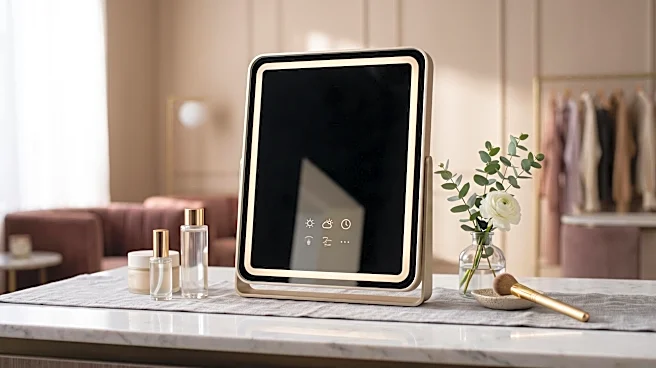
SWAN Beauty has announced a new chapter with the appointment of celebrity makeup artist Ash K Holm as its first Chief Makeup Artist in Residence. This partnership aims to enhance the company's SmARt Makeup Artist technology, which utilizes real-time facial
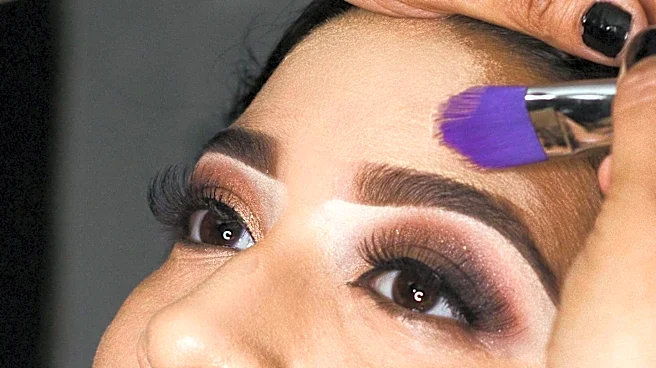
recognition and dynamic augmented reality overlays. The technology, available through the SWAN Beauty Mirror and App, adapts expert-led makeup tutorials to each user's unique facial features, providing personalized guidance on makeup application and product recommendations. Holm will introduce exclusive makeup looks and Pro Masterclasses to the platform, allowing users to learn her techniques with placement guidance tailored to their own faces. This initiative addresses the common challenge of adapting generic makeup tutorials to individual facial structures.
Why It's Important?
This development is significant for the beauty industry, particularly in the U.S., as it pushes the boundaries of personalized beauty technology. By integrating a renowned makeup artist's expertise with advanced augmented reality, SWAN Beauty is offering a solution that could democratize professional-level makeup artistry. Consumers stand to gain from highly customized tutorials that account for their unique facial features, potentially leading to more satisfying and effective beauty routines. This could reduce product waste and increase consumer confidence. For businesses, this innovation sets a new standard for interactive beauty experiences, potentially driving sales of associated products and services. It also highlights the growing trend of leveraging technology to bridge the gap between expert knowledge and individual consumer needs in the beauty sector.
What's Next?
The collaboration between SWAN Beauty and Ash K Holm is expected to lead to the continuous development and refinement of the SmARt Makeup Artist technology. Future iterations may include more diverse makeup styles, advanced facial analysis capabilities, and deeper integration with e-commerce platforms for seamless product purchasing. Other beauty brands and tech companies may follow suit, investing in similar personalized AR-driven beauty solutions, intensifying competition in the market. We could also see an expansion of this technology into other areas of personal care, such as skincare application guidance. The success of this model could influence how beauty professionals engage with their audience, potentially shifting towards more digital and interactive educational content.
Beyond the Headlines
Beyond the immediate commercial implications, this technology touches upon deeper cultural and psychological aspects of beauty. It challenges the traditional 'one-size-fits-all' approach to beauty standards, promoting a more individualized and inclusive perspective. However, it also raises questions about the potential for technology to influence self-perception and body image, as users are constantly presented with augmented versions of themselves. The ethical considerations of facial recognition technology in a consumer context, particularly concerning data privacy and security, will also become more prominent. This innovation could also redefine the role of makeup artists, moving them from purely in-person services to digital educators and content creators, impacting the professional landscape of the beauty industry.