






What's Happening?
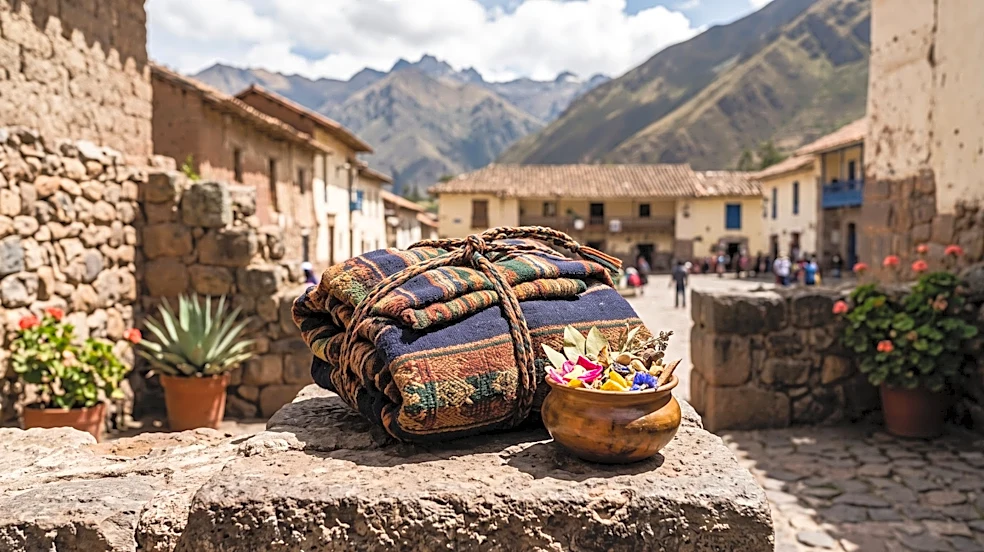
The traditional Andean healing practice known as Qayapu, or 'calling back the soul,' continues to be practiced in urban areas of Peru, particularly in Ayacucho. This ritual addresses 'mancharisqa,' a condition believed to result from fright or intense
fear causing the soul to temporarily leave the body. Qayapu specialists, often older individuals who have inherited their 'gift' through family lineage, perform symbolic actions and prayers, frequently incorporating Catholic religious elements alongside traditional Andean beliefs. The practice is especially common for children, who are considered more vulnerable to soul loss. Specialists operate in public spaces like market areas and church atriums, and while a nominal monetary contribution is accepted, the service is emphasized as voluntary, reflecting a non-market logic. The persistence of Qayapu in urban environments demonstrates a process of cultural adaptation and re-signification, where traditional practices interact with new social contexts without losing their fundamental meanings.
Why It's Important?
The continued practice of Qayapu in urban Peruvian settings highlights the resilience and adaptability of indigenous healing systems in the face of modernization and the prevalence of biomedical healthcare. This phenomenon is significant as it showcases how cultural practices, deeply rooted in a specific worldview, can maintain their relevance and legitimacy within diverse social environments. It underscores the importance of understanding culturally specific interpretations of illness and healing, which often differ from conventional biomedical or psychological frameworks. For communities, Qayapu provides a culturally meaningful way to address distress and illness, particularly when there is distrust towards or limited access to Western medicine. The intergenerational transmission of this knowledge, despite concerns about its potential disappearance, also speaks to the enduring value placed on ancestral traditions and community-based care, offering insights into cultural preservation and identity in a globalized world.
What's Next?
The future of Qayapu will likely involve continued negotiation between traditional practices and the biomedical system. While specialists express concern about the gradual loss of cultural heritage as biomedicine becomes more central to healthcare, the ritual's persistence in urban areas suggests its continued social legitimacy. Municipal authorities have been called upon to create spaces for the promotion and appreciation of this cultural practice, which could lead to greater recognition and integration of Qayapu within broader healthcare discussions. The ongoing coexistence of hybrid therapeutic itineraries, where individuals may seek both traditional and biomedical treatments, indicates a potential for more intercultural approaches to health. Further anthropological research could explore how these systems can complement each other, recognizing the distinct therapeutic rationalities and the ways in which people navigate between them to address their health needs.
Beyond the Headlines
The enduring presence of Qayapu in urban Peru reveals deeper implications regarding the interplay of spirituality, community, and health. The ritual's syncretic nature, blending Andean beliefs with Catholic elements, illustrates how cultural practices evolve and integrate new influences while retaining core meanings. The emphasis on voluntary contributions rather than fixed fees for healing services challenges conventional economic models of healthcare, highlighting a system rooted in gift ethics and vocation. Furthermore, the community's role in validating and transmitting this knowledge, often through oral tradition and intergenerational learning, underscores the importance of social networks and collective recognition in sustaining cultural heritage. This practice also brings to light the epistemological conflict between traditional and biomedical understandings of illness, prompting a re-evaluation of what constitutes 'healing' and the diverse pathways individuals take to achieve well-being, extending beyond purely physiological or clinical definitions.