

What's Happening?
Pilates is a comprehensive exercise method that engages the entire body through precise, controlled movements. Originating in the early 20th century with Joseph Pilates, it was initially developed to aid injured dancers in their recovery. The practice
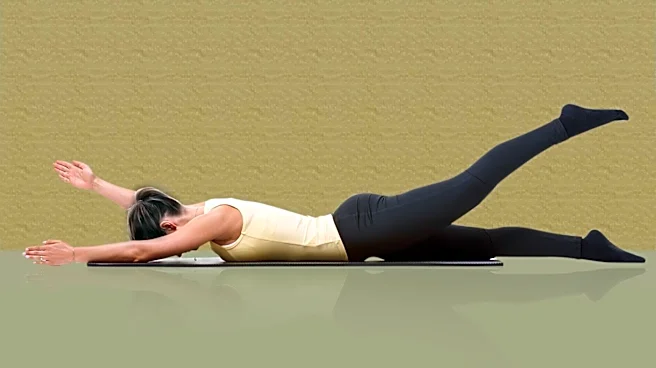
has since evolved, incorporating various styles while maintaining its core focus on precision over intensity. Key types of Pilates include Reformer Pilates, which utilizes a sliding platform with springs to provide a full-body workout, and Barre Pilates, a hybrid approach that combines traditional mat exercises with ballet techniques, often involving a barre for balance. Other variations mentioned are Classical Pilates, which adheres strictly to Joseph Pilates' original 34 mat exercises and equipment like the Cadillac and Wunda chair; Clinical Pilates, a modified version often guided by physiotherapists for injury recovery; HIIT Pilates, which integrates high-intensity intervals; Power Pilates, an intensified classical method; Hot Pilates, performed in heated rooms; Mat Pilates, the foundational form using only body weight; Chair Pilates, which uses a sturdy chair for support; and Aerial Pilates, performed with a fabric hammock. These diverse forms cater to different preferences and fitness goals, from beginners to advanced practitioners.
Why It's Important?
The widespread availability and diverse forms of Pilates are significant for promoting physical well-being across various demographics. Its emphasis on controlled movements, core strength, stability, posture, and flexibility makes it accessible and beneficial for individuals of all fitness levels, including those recovering from injuries or seeking low-impact exercise. The adaptability of Pilates, from equipment-based methods like Reformer Pilates to mat-based practices, allows individuals to choose a style that best suits their physical needs and preferences. This versatility contributes to its growing popularity, as it offers a sustainable path to improved physical health without the high-impact demands of some other exercise regimens. For the fitness industry, the continuous evolution and specialization of Pilates types create new market segments and opportunities for specialized studios and instructors, catering to a broader client base and fostering innovation in exercise programming.
What's Next?
The continued evolution of Pilates is likely to see further integration with other fitness trends and specialized applications. As awareness of its benefits for rehabilitation and general wellness grows, more healthcare professionals may incorporate Clinical Pilates into their treatment plans. The development of hybrid forms, such as HIIT Pilates and Barre Pilates, suggests a trend towards combining Pilates principles with other exercise modalities to offer more dynamic and varied workouts. Additionally, the increasing demand for accessible home-based fitness solutions could drive innovation in portable Pilates equipment and online instructional content, making practices like Mat Pilates and Chair Pilates even more convenient. Studios may also continue to differentiate themselves by offering unique or niche Pilates experiences, such as Aerial Pilates, to attract diverse clientele and maintain engagement in a competitive fitness market.
Beyond the Headlines
Beyond its immediate physical benefits, Pilates fosters a deeper connection between mind and body through its focus on precision, breath control, and body awareness. This holistic approach can lead to improved proprioception and a greater understanding of one's own physical capabilities and limitations. The practice also cultivates patience and discipline, as mastery often comes through consistent repetition and refinement of movement rather than brute force. Ethically, the emphasis on proper form and individualized instruction, particularly in Clinical Pilates, highlights a commitment to safe and effective exercise, minimizing the risk of injury. Culturally, Pilates has transitioned from a niche practice for dancers and rehabilitation patients to a mainstream fitness activity, reflecting a broader societal shift towards mindful movement and sustainable health practices. This evolution underscores a growing appreciation for exercise that prioritizes long-term well-being over short-term, high-intensity results.