







What's Happening?
Cruise advisors have identified four leading cruise lines that cater specifically to the preferences of travelers aged 60 and above. These recommendations prioritize effortless comfort, immersive cultural experiences, exceptional dining, and low-stress
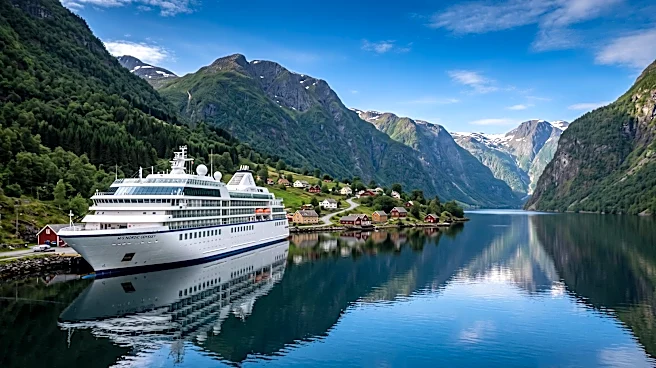
logistics over typical mega-ship distractions. Rob Clabbers, founder and president of Q Cruise + Travel, highlights Viking for its calm atmosphere and emphasis on culture, history, and destination, noting the absence of casinos or waterslides. Lisa Lee, travel advisor and owner of Taking Off For Travel, praises Viking's small-to-mid-sized ships for easy navigation and access to unique ports. For ultra-luxury, Silversea is recommended for its intimate small-ship service, high staff-to-guest ratio, and all-inclusive ease, as noted by Lee and Clabbers. Oceania Cruises is recognized for its fine dining and flexible, country club casual ambiance, with Jason Poole of Cruise Planners commending its cuisine and relaxed sophistication. Regent Seven Seas is presented as the ultimate all-inclusive luxury option, covering everything from airfare to shore excursions, providing a worry-free experience for guests.
Why It's Important?
This focus on the mature traveler segment by cruise lines and advisors signifies a growing recognition of the specific needs and desires of an older demographic within the U.S. travel industry. As the population ages, the demand for travel experiences that prioritize comfort, accessibility, cultural enrichment, and stress-free logistics is increasing. This trend impacts how cruise lines design their ships, itineraries, and onboard services, leading to more tailored offerings. For the travel industry, this specialization can open new market opportunities and drive innovation in service delivery. Travelers over 60 stand to gain from more refined and suitable options, ensuring their vacations are enjoyable and meet their expectations for relaxation and exploration. Conversely, cruise lines that fail to adapt to these evolving preferences may see a decline in bookings from this significant demographic. The emphasis on all-inclusive packages and destination immersion also reflects a shift in consumer values, where experiences and convenience are increasingly valued over sheer entertainment volume.
What's Next?
The cruise industry is likely to continue refining its offerings to better serve the mature traveler segment. This could involve further development of adult-only ships, expansion of cultural and educational programs, and enhanced accessibility features across fleets. Travel advisors will play an increasingly crucial role in guiding these travelers, as their expertise in matching specific preferences with suitable cruise lines becomes more valuable. Cruise lines may also invest in marketing strategies that specifically target this demographic, highlighting the unique benefits and experiences tailored to them. Furthermore, the emphasis on travel insurance and pre-trip planning, such as arriving a day early, suggests a growing trend towards comprehensive travel support to ensure peace of mind for older travelers. This could lead to more integrated service packages offered by both cruise lines and travel agencies, combining travel, accommodation, and insurance into seamless offerings.
Beyond the Headlines
The trend of cruise lines catering to travelers over 60 reflects broader societal shifts, including increased longevity and a desire for active, enriching retirement experiences. This demographic often possesses significant disposable income and time, making them a highly valuable market. The preference for 'comfort over chaos' and 'destination-focused serenity' suggests a cultural shift away from high-energy, family-centric vacations towards more contemplative and culturally immersive journeys. This could influence the design of future cruise ships, moving towards smaller vessels that can access unique ports and offer more intimate experiences. Ethically, this specialization raises questions about inclusivity and whether other demographics might feel underserved, though the market is large enough to support diverse offerings. Economically, the growth of this niche market could stimulate local economies at destination ports that benefit from culturally engaged tourists. The emphasis on personalized service and all-inclusive packages also points to a premiumization of travel experiences, where convenience and quality are paramount.