



What's Happening?
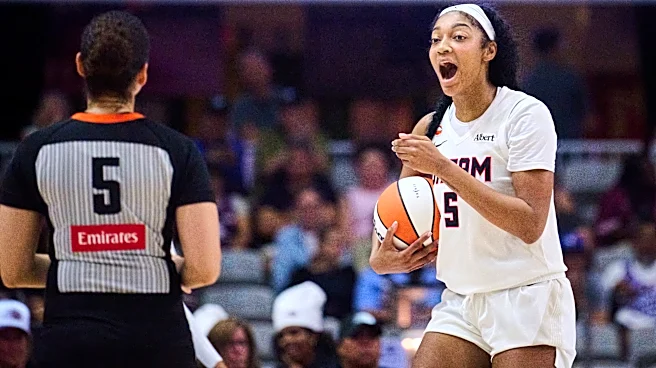
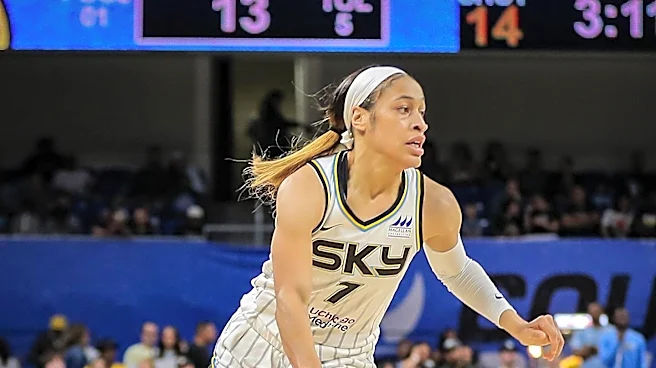
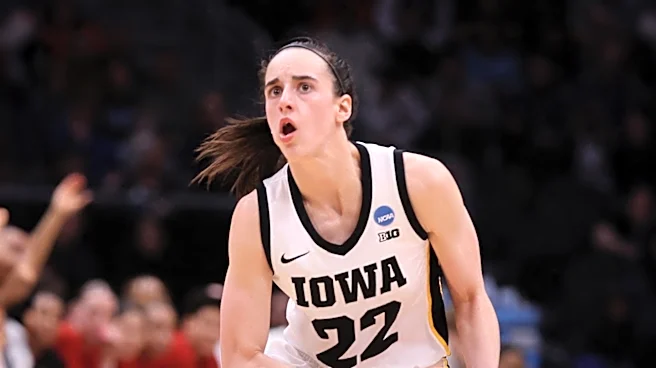
Conservative political activist Riley Gaines has called on WNBA player Caitlin Clark to consider legal action against USA Today and columnist Nancy Armour. This follows a controversial column by Armour that criticized Clark's playing style, suggesting
it creates a hostile environment for Black and queer athletes and comparing her situation to historical racial injustices. The column has sparked significant backlash, leading to revisions and statements from USA Today. Gaines, a former NCAA swimmer and Fox News host, has publicly defended Clark, arguing that the criticism is unwarranted and advising her to sue for defamation.
Why It's Important?
This situation highlights the increasing intersection of sports and politics, particularly in women's basketball. The controversy underscores the challenges athletes face in navigating public scrutiny and media narratives. For Caitlin Clark, the issue could impact her public image and career, while also raising broader questions about media responsibility and the portrayal of athletes. The potential legal action could set a precedent for how athletes respond to media criticism, influencing future interactions between sports figures and the press. Additionally, the involvement of political figures and activists in this debate reflects the heightened politicization of sports in contemporary society.
What's Next?
If Caitlin Clark decides to pursue legal action, it could lead to a high-profile court case that examines the boundaries of media commentary and athlete rights. Such a case might attract significant public and media attention, potentially influencing how sports journalism is conducted. The WNBA and its stakeholders may also face pressure to address the issues raised in the column, including player safety and media relations. The outcome of this situation could have lasting implications for the relationship between athletes and the media, as well as for the role of political activism in sports.