





What's Happening?
El Tigre, a city in Venezuela's Orinoco Belt, is experiencing a significant economic revival driven by renewed foreign investment in the oil sector. This boom follows the capture of Nicolás Maduro in January and the subsequent rise of acting President
Delcy Rodríguez's U.S.-backed government, which has actively courted foreign capital. Venezuela overhauled its oil law earlier this year, easing taxes and royalties and granting private companies more operational freedom in areas previously dominated by state-owned Petróleos de Venezuela SA (PDVSA). As a result, private jets are frequently landing at El Tigre's airport, Venezuelans are returning from abroad for new jobs, and service and supply companies are expanding. Office spaces are scarce, and rents for furnished townhouses have increased by 33% since the beginning of the year. Companies are leasing facilities, importing equipment, and hiring staff in anticipation of increased oil production.
Why It's Important?
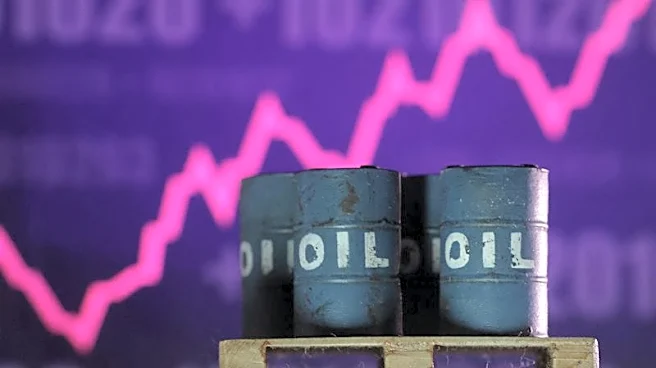
The resurgence in El Tigre is a critical indicator of Venezuela's broader economic recovery and its efforts to revitalize its oil industry, which has suffered from years of underinvestment, sanctions, and an exodus of foreign producers. The influx of foreign capital and the return of skilled Venezuelan workers signify a potential turnaround for the country's primary economic driver. The revised oil laws, offering more favorable terms to private companies, are attracting international players like Colombia's GeoPark Ltd, Brazil's Alvorada Oil & Gas, and U.S. oil services company Weatherford International Plc. This renewed activity not only creates jobs and stimulates local economies but also positions Venezuela to potentially increase its global oil output, impacting international energy markets. The boom in El Tigre demonstrates the tangible effects of policy changes aimed at attracting foreign investment and rebuilding key industrial sectors.
What's Next?
Oil companies that have recently signed deals with PDVSA are in a preparatory phase, with up to 120 days to inspect fields, assess reserves, and develop production plans for approval. This period involves significant logistical operations, including moving in equipment, workers, and capital. Some companies anticipate taking full control of operations and commencing work by year-end. The continued success of this revival will depend on sustained foreign investment, stable regulatory environments, and the ability of companies to overcome existing infrastructure challenges, such as intermittent power outages. The acting President Delcy Rodríguez's government will likely continue its efforts to attract more foreign capital and ensure a conducive environment for oil production, further solidifying El Tigre's role as a central hub in Venezuela's oil industry comeback.
Beyond the Headlines
The economic boom in El Tigre represents a significant shift in Venezuela's economic and political landscape, moving away from the isolationist policies of the past. This re-engagement with international oil companies could lead to a more diversified economy in the long term, as the oil sector's recovery generates revenue that can be reinvested in other industries. However, the rapid influx of foreign capital and the associated economic growth also bring potential challenges, such as increased demand for resources, potential environmental impacts from expanded oil operations, and the need for robust regulatory oversight to ensure sustainable development. The return of the Venezuelan diaspora to fill skilled positions highlights the human capital flight that occurred during the economic downturn and the potential for its reversal. This revival also underscores the geopolitical implications of Venezuela's oil reserves, as increased production could alter global energy dynamics and strengthen the country's international standing.