




What's Happening?
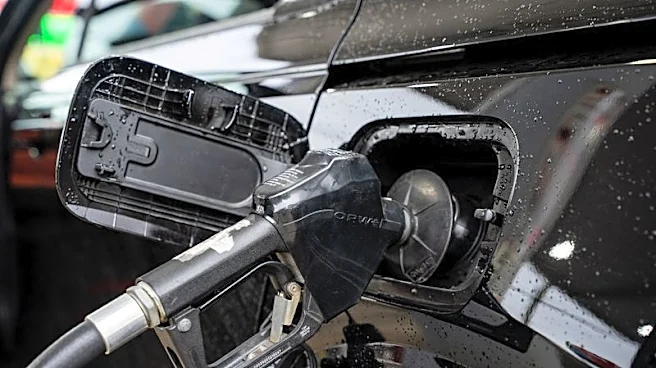
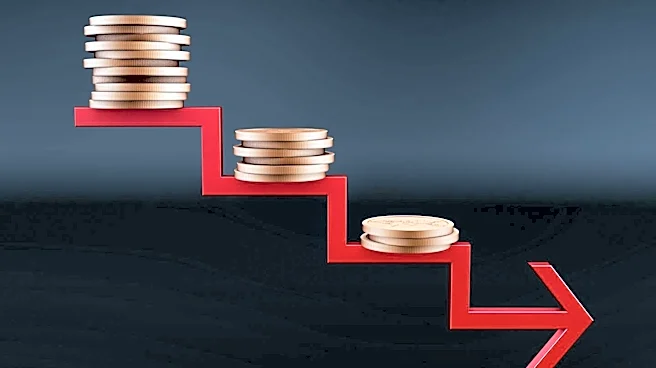
The U.S. Labor Department reported a slowdown in wholesale price inflation, with the Producer Price Index (PPI) rising 4.7% in July compared to the previous year, down from 5.5% in June. This deceleration is attributed to declines in gas and food prices,
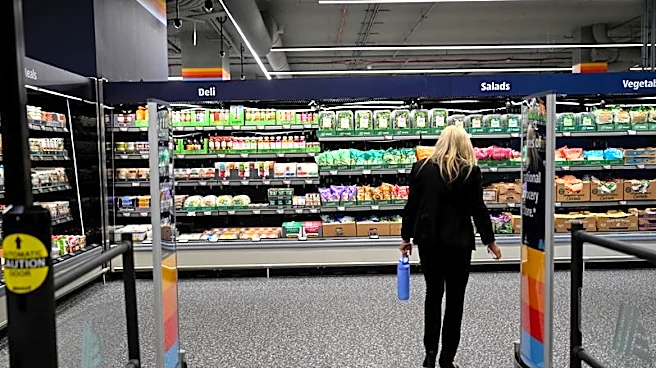
which offset increases in other areas. On a monthly basis, wholesale prices remained unchanged from June to July. The report follows a similar trend in consumer price inflation, which also showed signs of cooling. Despite this, consumer prices have been rising faster than wages, posing challenges for Americans in affording essentials like rent and utilities.
Why It's Important?
The easing of wholesale inflation provides the Federal Reserve with more flexibility in its monetary policy decisions. With inflation showing signs of cooling, the Fed may opt to keep interest rates unchanged in its upcoming September meeting, rather than implementing a rate hike. This decision could have significant implications for the U.S. economy, affecting borrowing costs for businesses and consumers. The report also highlights ongoing economic challenges, as rising prices continue to outpace wage growth, potentially impacting consumer spending and economic recovery.
What's Next?
The Federal Reserve will closely monitor upcoming economic data, including the personal consumption expenditures (PCE) index, to inform its policy decisions. The PCE index, a key measure of inflation, will be released later this month. Additionally, the Fed will consider recent employment data, which showed a decline in job numbers, as it weighs the potential need for further intervention to support economic stability. The trajectory of gas prices, which have shown volatility, will also be a critical factor in future inflation trends.