







What's Happening?
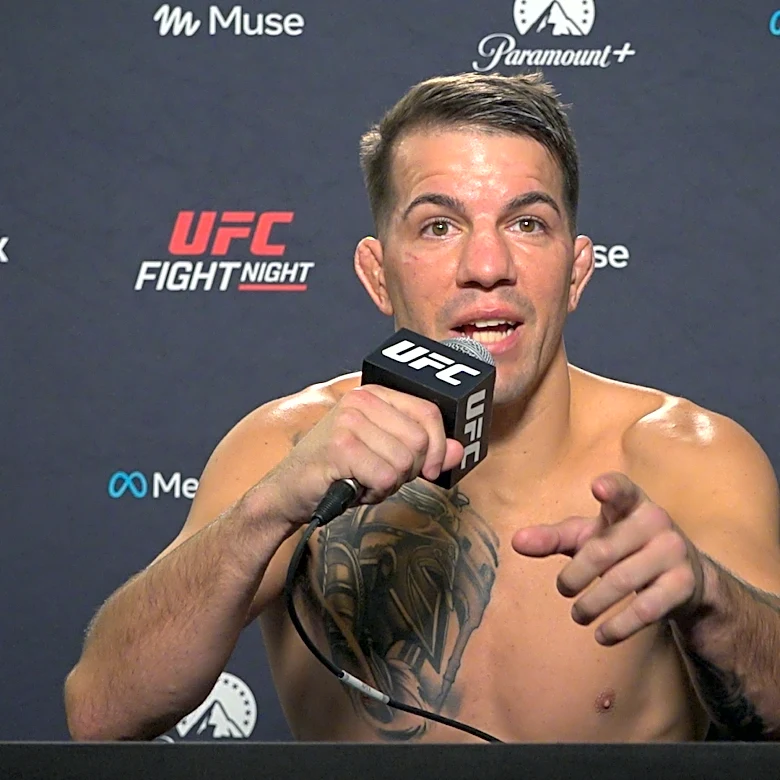
Boxing trainer Robert Garcia publicly voiced concerns regarding travel to Saudi Arabia for his fighter, Lindolfo Delgado, amidst ongoing security risks in the region. Delgado and his team ultimately remained in the United States, leading to the cancellation
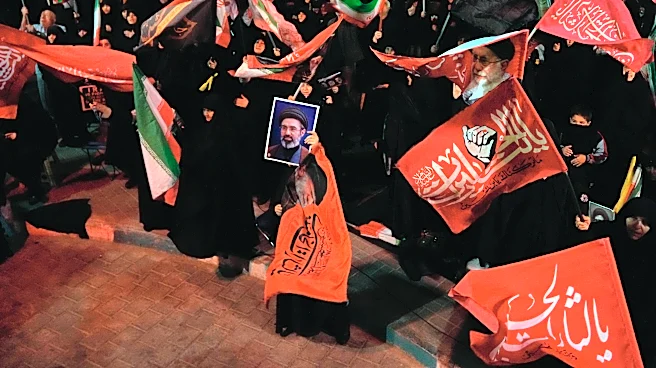
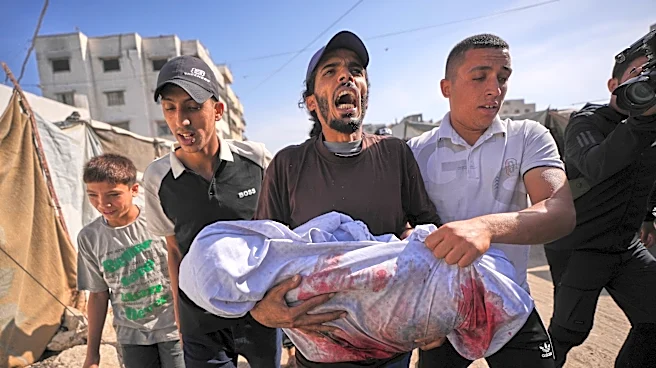
of his scheduled fight for the vacant IBF super lightweight championship. This decision came as the U.S. State Department maintains a Level 3: Reconsider Travel advisory for Saudi Arabia, citing increased risks including drone and missile attacks and the wider regional conflict. The U.S. Embassy also issued a warning on October 25, advising Americans to exercise 'extreme caution' when using airports in the country. Furthermore, the United States has ordered non-emergency government employees and eligible family members to leave Saudi Arabia due to the heightened security situation. These advisories and the trainer's concerns underscore the volatile environment in the region, which has directly impacted international sporting events.
Why It's Important?
The decision by Robert Garcia and Lindolfo Delgado to forgo the fight in Saudi Arabia highlights the significant impact of geopolitical instability on international sports and the safety considerations for athletes and their teams. This situation underscores the responsibility of trainers and organizations to prioritize the well-being of their personnel over competitive opportunities, especially when official government advisories indicate substantial risks. For the boxing world, it means that major events scheduled in regions with security concerns may face cancellations or withdrawals, affecting fight cards, championship opportunities, and financial outcomes for promoters and fighters. More broadly, it reflects how global events, such as regional conflicts, can disrupt various sectors, including entertainment and sports, leading to economic losses and logistical challenges. The U.S. government's travel advisories and evacuation orders further emphasize the seriousness of the security threats, influencing decisions made by individuals and organizations with ties to the region.
What's Next?
The cancellation of Lindolfo Delgado's fight due to security concerns in Saudi Arabia may prompt a re-evaluation by boxing organizations and promoters regarding the viability and safety of hosting major events in high-risk regions. Future scheduling of international fights will likely involve more stringent risk assessments and adherence to government travel advisories. For Delgado, the immediate next step will be to reschedule his championship opportunity in a safer location. Other athletes and teams considering events in Saudi Arabia or similar regions will likely weigh the security risks more heavily, potentially leading to more withdrawals or demands for enhanced security measures. This incident could also influence how sports federations and governing bodies develop protocols for operating in areas with elevated security threats, potentially leading to new policies for athlete safety and event relocation. The ongoing geopolitical situation will continue to be a critical factor in these decisions.
Beyond the Headlines
This event transcends a simple fight cancellation, touching upon the broader ethical considerations of sports organizations operating in regions with human rights concerns or active conflicts. While the immediate reason for withdrawal was security, the decision implicitly raises questions about the moral responsibility of participating in events hosted by governments under international scrutiny. It highlights the tension between the commercial interests of sports and the ethical obligations to protect participants and uphold humanitarian values. The incident also serves as a stark reminder of the interconnectedness of global events, where political and military conflicts can directly impact the careers and safety of individuals in seemingly unrelated fields like professional sports. It may encourage a deeper conversation within the sports industry about 'sportswashing' and the implications of holding high-profile events in controversial locations, pushing for greater accountability and ethical decision-making in event planning.