








What's Happening?
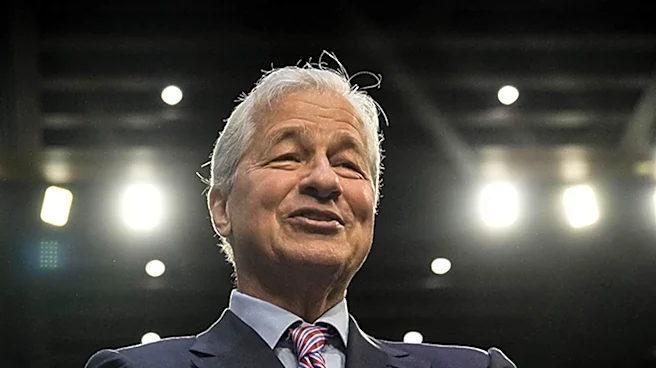
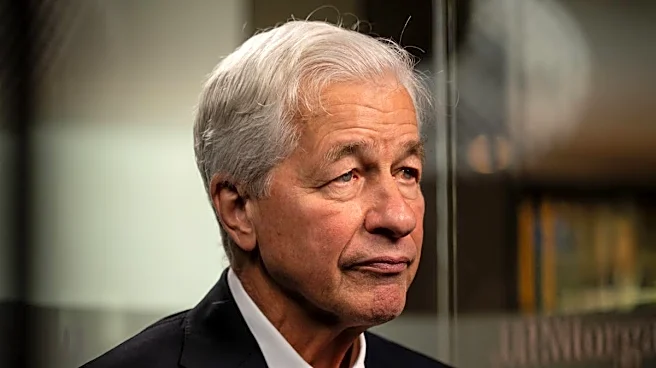
JPMorgan Chase CEO Jamie Dimon has expressed significant concerns regarding the use of external AI agents accessing customer accounts, citing risks related to security, fraud, and liability. During the company's October 13 earnings call, Dimon highlighted
the potential for 'rogue agents' and the heightened risk they pose to clients and the bank. Several major U.S. banks, including JPMorgan Chase, Citi, Bank of America, Wells Fargo, and Morgan Stanley, are actively blocking external AI agents from accessing customer accounts. This move comes after incidents, such as one reported by American Banker, where an AI agent conducted a password reset, accessed an account, changed approved transfer accounts, and moved $100,000. Banks are concerned about handing over login credentials to third-party software and the lack of clear liability in cases of financial errors or unauthorized transfers made by AI agents. JPMorgan Chase's digital services agreement explicitly states that customers assume the entire risk for fraudulent or improper use of login credentials if they allow AI agents to access their accounts.
Why It's Important?
The banking industry's stance on blocking external AI agents has significant implications for financial security, consumer liability, and the future of financial technology. The concerns raised by Jamie Dimon and other banking executives underscore the complex challenges associated with integrating advanced AI into sensitive financial operations. This situation highlights a critical tension between technological innovation and the imperative to protect customer assets and data. If banks continue to block these agents, it could stifle the development and adoption of AI-driven financial tools that promise greater convenience and efficiency for consumers. Conversely, allowing unchecked access could expose customers to unprecedented levels of fraud and financial loss, potentially eroding trust in digital banking services. The lack of established standards for verifying AI agents, defining their authorized actions, and assigning liability creates a regulatory and operational vacuum that needs to be addressed to ensure a secure and functional financial ecosystem.
What's Next?
The current blocking of external AI agents by major U.S. banks is likely a temporary measure as the industry grapples with the evolving landscape of AI technology. Experts suggest that a long-term solution will involve the development of industry-wide standards for identity, authentication, and liability protocols for AI agents. Organizations like the Financial Data and Technology Association are already proposing recommendations for handling liability and authorization of agentic AI transactions. Banks and tech companies will need to collaborate to establish secure frameworks that allow for the safe integration of AI agents while protecting consumers. If such agreements are reached, banks may eventually lift their bans on external AI agents, similar to how they adapted to data aggregators like Plaid and Mint in the past. However, until clear guidelines and robust security measures are in place, banks will likely maintain their cautious approach to mitigate risks.
Beyond the Headlines
The debate over external AI agents in banking extends beyond immediate security concerns, touching upon deeper ethical and competitive implications. The ability of AI agents to mimic human behavior and adapt to security measures poses a fundamental challenge to existing fraud detection systems, which are primarily designed to identify human users. This could lead to a continuous arms race between AI developers and bank security teams. Furthermore, the competitive landscape could be significantly altered; if some banks remain restrictive while others embrace AI agents, consumers might gravitate towards institutions offering more integrated and convenient AI-driven services, potentially leading to a shift in market share. The question of who is ultimately responsible when an AI agent makes an error or acts maliciously—the customer, the AI developer, or the bank—raises complex legal and ethical dilemmas that will require new regulatory frameworks and potentially new forms of insurance or consumer protection. This technological shift could redefine the relationship between consumers, their financial institutions, and the digital tools they use.