








What's Happening?
Generative artificial intelligence (AI) applications that transform photographs into digital images, such as professional headshots or avatars, are now under scrutiny due to class action lawsuits alleging violations of Illinois' Biometric Information
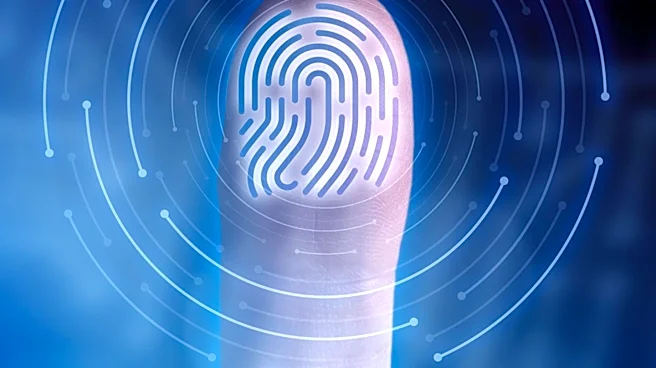
Privacy Act (BIPA). These lawsuits, specifically targeting the Grok generative AI platform developed by xAI, claim that the platform analyzed or extracted facial geometry from user-uploaded photographs without providing required disclosures, obtaining written releases, or maintaining public retention and destruction policies, as mandated by BIPA. The plaintiffs argue that this processing constitutes the collection of biometric identifiers or information, even though BIPA explicitly excludes photographs from its definition of biometric identifiers. The core issue is whether the AI's processing of a photograph to derive facial measurements or other biometric data falls under the statute's regulations, creating new legal exposure for businesses deploying such AI technologies.
Why It's Important?
This wave of litigation signifies a critical emerging challenge for businesses utilizing AI-powered image technologies. BIPA, enacted in 2008, imposes strict obligations on entities collecting biometric data, including requirements for written notice, specific purpose disclosure, and consent. Violations can lead to substantial financial penalties, with liquidated damages of $1,000 for negligent violations and $5,000 for intentional or reckless ones. The lawsuits highlight that biometric privacy risks are not limited to traditional facial recognition systems; even routine image-generation functionality can trigger these concerns if the AI processes facial features in a way that extracts biometric data. This means companies integrating third-party AI capabilities into their operations, from virtual try-on tools to marketing content, must now carefully assess their compliance, as liability may extend beyond the AI developers to the businesses deploying these applications.
What's Next?
The ongoing Grok lawsuits are in their early stages, and their outcomes are expected to provide crucial clarification on when generative AI image processing constitutes biometric collection under BIPA. Until then, businesses are advised to proactively address potential compliance gaps. This includes inventorying all AI applications that process images or facial characteristics, evaluating the specific processing activities to determine if facial geometry or biometric templates are extracted, and reviewing existing notices, consent mechanisms, and data retention practices. Furthermore, companies should reassess vendor contracts to ensure they adequately address biometric processing disclosures, data ownership, retention, and liability. Incorporating biometric privacy considerations into broader AI governance programs, including risk assessments and vendor monitoring, will be essential for managing these evolving legal risks.
Beyond the Headlines
These lawsuits underscore a broader trend where existing privacy laws are being applied to rapidly advancing AI technologies, creating a complex legal and ethical landscape. The distinction between a simple photograph and biometric data becomes critical when AI can extract detailed facial geometry. This development forces businesses to move beyond merely understanding what AI applications can do, to deeply understanding how they process personal information. The challenge extends to ensuring transparency and accountability in AI systems, especially when third-party vendors are involved, as businesses may have limited visibility into the technical processes. This situation could lead to a re-evaluation of data privacy frameworks to better accommodate AI's capabilities, potentially shaping future regulations and industry standards for responsible AI development and deployment.