


What's Happening?
Gen Z is spearheading a significant revival of Y2K aesthetics, bringing back fashion and tattoo trends from the early 2000s. This movement is characterized by a search for authentic vintage pieces, including original logos, cuts, embellishments, and silhouettes
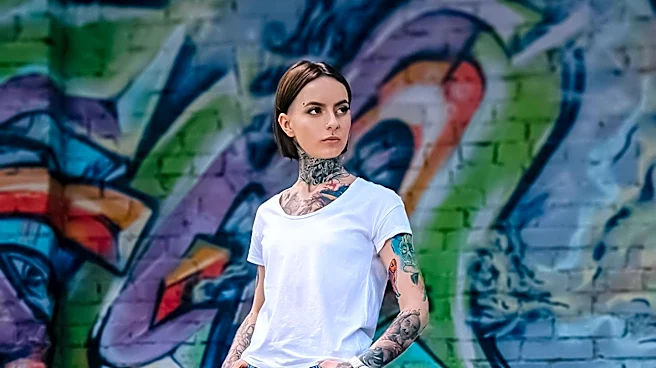
from that era. Vintage mall clothing is experiencing a resurgence in popularity and value due to this nostalgic demand. The trend extends to body art, with foot tattoos, a staple of the early aughts, making a comeback. Celebrities and influencers are actively contributing to this revival through their fashion choices and new tattoos, such as Jennie of Blackpink's cherub foot tattoo and KATSEYE’s Megan Skiendiel's cybersigilism dragon. This Y2K resurgence is part of a broader 'Neo Nostalgia' movement, where Gen Z integrates styles from various decades into their contemporary wardrobes, blending past and present fashion sensibilities.
Why It's Important?
The Y2K revival driven by Gen Z has notable implications for the fashion and retail industries, as well as cultural trends in the U.S. The increased demand for authentic vintage items is creating a robust resale market, impacting both small businesses specializing in vintage clothing and larger retailers who may adapt their designs to reflect these nostalgic aesthetics. The influence of celebrities and social media influencers in popularizing these trends highlights their significant power in shaping consumer behavior and cultural shifts. For the tattoo industry, the resurgence of specific placements like foot tattoos, along with early 2000s designs, indicates a cyclical nature of trends and a potential for increased business for tattoo artists specializing in these styles. This 'Neo Nostalgia' movement also reflects a broader cultural phenomenon where younger generations are reinterpreting and re-contextualizing past styles, influencing design, marketing, and consumer preferences across various sectors.
What's Next?
The Y2K revival is expected to continue evolving, with potential for further integration of early 2000s elements into mainstream fashion and lifestyle products. Designers and brands are likely to draw more inspiration from this era, leading to new collections that blend Y2K aesthetics with modern sensibilities. The resale market for vintage clothing will likely remain strong, with increased competition and potentially higher prices for sought-after items. In the tattoo industry, artists may see a sustained demand for Y2K-inspired designs and placements, potentially leading to innovations in technique and style to meet contemporary preferences while honoring the nostalgic appeal. As the 'Neo Nostalgia' movement progresses, other past decades might also see similar revivals, indicating a continuous cycle of fashion and cultural trends influenced by younger generations' desire for authenticity and unique self-expression.
Beyond the Headlines
The Y2K revival goes beyond mere fashion and tattoos, touching upon deeper cultural and psychological aspects. It reflects Gen Z's engagement with history and their desire to connect with a perceived simpler or more iconic past, often through a curated and personalized lens. This trend can be seen as a form of cultural recycling, where elements from previous generations are re-evaluated and given new meaning in a contemporary context. The emphasis on 'authentic' vintage pieces also highlights a growing consumer preference for sustainability and individuality over mass-produced items. Ethically, the increased demand for vintage goods raises questions about accessibility and affordability, as popular items become scarcer and more expensive. The influence of social media in accelerating and amplifying these trends also underscores its role in shaping collective memory and cultural identity, creating a dynamic interplay between past aesthetics and present digital consumption.