






What's Happening?
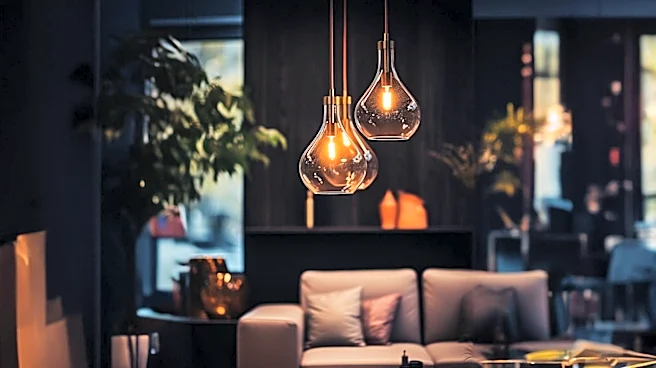
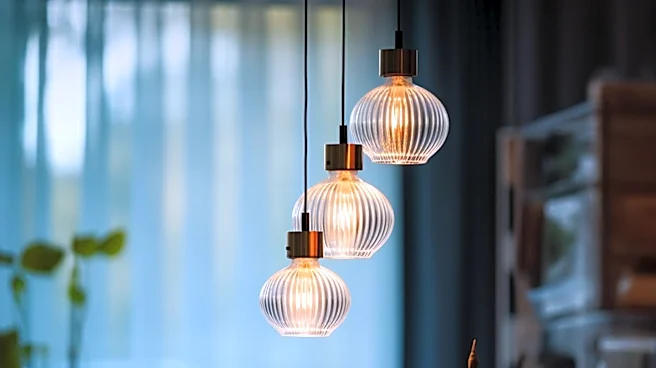
Mood lighting is a crucial element in interior design, focusing on creating a specific atmosphere through softer, warmer illumination. Unlike general or task lighting, mood lighting is often strategically placed using table lamps, wall lights, or decorative
fixtures, and can be adjusted with dimmers to achieve the desired glow. This approach is particularly emphasized in restaurant lighting design, where it plays a significant role in shaping the dining experience. Designers combine general, accent, and ambient lighting to create layers of light and shadow, directing visual attention and enhancing the overall impression of a space. The goal is not merely to illuminate but to evoke a feeling, making the environment more comfortable and engaging for occupants.
Why It's Important?
The strategic application of mood lighting is vital for industries focused on hospitality, retail, and residential design, as it directly influences customer perception and comfort. In restaurants, for instance, effective mood lighting can enhance food presentation, making dishes appear more appetizing by accurately rendering colors and textures. It also creates a comfortable and inviting atmosphere, encouraging guests to relax and stay longer, which can positively impact business. Beyond aesthetics, mood lighting contributes to the perceived quality and brand image of a space. By carefully controlling brightness, direction, and coverage, designers can establish visual hierarchies, preventing monotony and guiding the eye to key features, ultimately enriching the user's experience and potentially increasing engagement and satisfaction.
What's Next?
The trend towards prioritizing lighting quality over mere brightness is expected to continue, with a growing emphasis on layered lighting structures and advanced control systems. Future developments will likely involve more sophisticated integration of lighting with interior design from the initial planning stages, rather than as an afterthought. This includes a focus on selecting fixtures with optimal color temperature and high color rendering index (CRI) to ensure natural color presentation, especially for food and materials. As consumers increasingly value experiential environments, designers will continue to explore innovative ways to use mood lighting to create immersive and memorable spaces, further blurring the lines between functionality and artistic expression in lighting design.
Beyond the Headlines
The impact of mood lighting extends beyond immediate aesthetic appeal, touching upon psychological and cultural dimensions. The careful manipulation of light can influence human emotions, behavior, and even well-being. A warm, inviting ambiance can foster a sense of relaxation and social connection, while poorly lit spaces can lead to discomfort or disengagement. Culturally, lighting choices often reflect societal values and trends, from minimalist designs to opulent displays. The ethical consideration lies in ensuring that lighting designs prioritize human comfort and visual health, avoiding glare or excessive contrast that could strain the eyes. Long-term, the evolution of mood lighting technology, including smart lighting systems and adaptive illumination, could lead to more personalized and responsive environments that dynamically adjust to individual preferences and activities, further integrating light as a fundamental component of human-centered design.