




What's Happening?
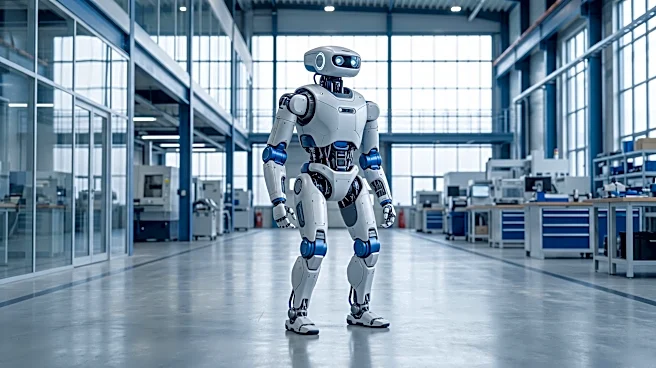
Khosla Ventures, a venture capital firm based in Menlo Park, CA, is supporting Rhoda AI in its search for a Senior Sensor Validation & Integration Engineer. Rhoda AI, which has raised over $450 million, is focused on developing generalist intelligent
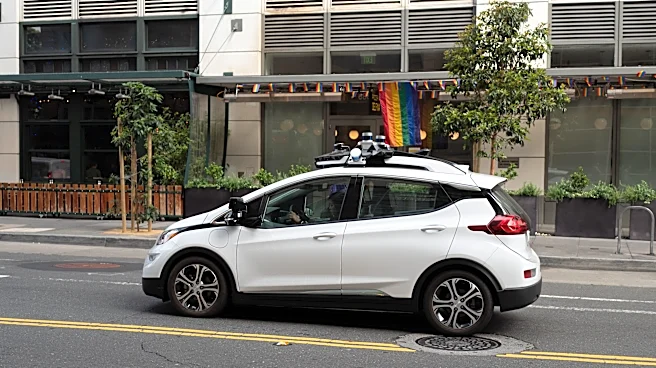
robots capable of operating in complex, real-world environments. The role, located in Sunnyvale, CA, is a senior, hands-on position responsible for ensuring the performance of sensors once integrated into the robots. This involves testing LiDAR, time-of-flight, thermal, and camera sensors under various conditions, including movement, vibration, and heat, to identify whether performance issues stem from integration or the sensors themselves. The engineer's findings will directly influence decisions regarding sensor selection, mounting, and algorithmic development for Rhoda AI's robotic systems.
Why It's Important?
This hiring initiative by a Khosla Ventures-backed company highlights the ongoing investment and rapid advancements in the field of robotics and artificial intelligence within the U.S. The development of generalist intelligent robots, as pursued by Rhoda AI, has significant implications for various industries, including logistics, manufacturing, and potentially even consumer services. The ability of these robots to handle complex, real-world scenarios and long-tail edge cases could lead to increased automation, efficiency, and safety in operations. The focus on robust sensor validation and integration is crucial for the reliability and effectiveness of these advanced robotic systems, directly impacting their commercial viability and widespread adoption. This also signifies a demand for highly specialized engineering talent in the U.S. tech sector.
What's Next?
The successful recruitment of a Senior Sensor Validation & Integration Engineer will enable Rhoda AI to further refine its robotic hardware and systems, moving closer to the deployment of its generalist intelligent robots. This role is critical for ensuring the accuracy and reliability of sensor data, which underpins the robots' ability to perceive and interact with their environment effectively. Future developments will likely involve continued investment in model research, infrastructure, hardware development, and manufacturing scale-up, as Rhoda AI aims to bring generalist robotics to reality. The insights gained from sensor validation will drive iterative improvements in robot design and functionality, potentially leading to new applications and market opportunities for advanced robotics.
Beyond the Headlines
The pursuit of generalist intelligent robots by companies like Rhoda AI, supported by venture capital firms such as Khosla Ventures, represents a significant step towards a future where autonomous systems play a more pervasive role in daily life and industry. Beyond the immediate technical challenges, this development raises broader questions about the future of work, the ethical implications of advanced AI, and the societal impact of widespread automation. The emphasis on robust sensor performance and integration underscores the critical need for reliability and safety in autonomous systems, which will be paramount for public acceptance and regulatory frameworks. The ongoing innovation in this sector could redefine human-robot interaction and reshape various economic landscapes.