



What's Happening?
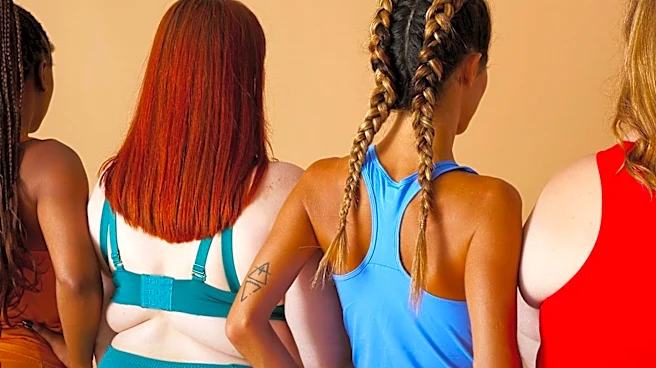
The body positivity movement, which gained significant traction around 2020 by promoting self-acceptance and diverse body types, is currently experiencing a shift in public discourse. Social media feeds, once filled with influencers showcasing unedited,
real bodies, are now increasingly featuring extremely thin celebrities. This renewed focus on thinness has sparked admiration, concern, and debate online, with figures like Ariana Grande, Cynthia Erivo, and Emma Stone having their red carpet appearances extensively discussed. The constant exposure to celebrity images across various platforms, from phones to billboards, blurs the line between fandom and a perceived entitlement to comment on individuals' bodies. This phenomenon extends beyond Hollywood, impacting teenagers and adults alike, who engage in constant evaluation of others' physiques. The core issue lies in distinguishing genuine concern for health from unsolicited commentary, as a photograph cannot reveal an individual's medical history or personal struggles.
Why It's Important?
This shift in the body positivity narrative is important because it highlights the persistent influence of media and celebrity culture on societal beauty standards and individual self-perception. The re-emergence of thinness as an admired ideal, particularly among highly visible celebrities, can undermine the progress made in promoting body acceptance and diversity. For teenagers, who are constantly exposed to these images, it can foster unhealthy comparisons and contribute to body image issues. The public's tendency to scrutinize and comment on celebrity bodies normalizes such behavior, potentially leading to increased body shaming and a lack of empathy in broader society. This dynamic also raises questions about the responsibility of media platforms and the entertainment industry in shaping public health and mental well-being, as the constant evaluation of bodies can have detrimental effects on self-esteem and overall psychological health.
What's Next?
Moving forward, the conversation around body image will likely continue to evolve, with a critical need to differentiate between genuine concern for an individual's well-being and judgmental commentary. There may be increased calls for celebrities and influencers to use their platforms more responsibly, advocating for health and self-acceptance rather than inadvertently promoting narrow beauty ideals. Educational initiatives could also play a role in helping individuals, especially younger audiences, develop media literacy skills to critically evaluate the images they consume online. Furthermore, the body positivity movement may need to adapt its strategies to address the resurgence of thinness trends, perhaps by emphasizing health and functionality over aesthetic ideals, and by promoting a wider range of healthy body types. The ongoing dialogue will likely focus on fostering a culture where personal health is prioritized and body shaming is actively challenged.
Beyond the Headlines
The deeper implications of this trend touch upon the ethical boundaries of public discourse and the commodification of the human body. The constant scrutiny of celebrity physiques reflects a broader societal tendency to objectify individuals, reducing them to their physical appearance. This can lead to a culture where self-worth is intrinsically linked to external validation and adherence to fleeting beauty standards. The ethical challenge lies in fostering a society that values individuals for their character, achievements, and contributions, rather than their physical form. Legally, there are ongoing debates about privacy and the right to one's image in the digital age, especially concerning unsolicited commentary on personal appearance. Culturally, this shift underscores the cyclical nature of beauty standards and the continuous struggle to establish inclusive and healthy representations of the human body, moving beyond superficial judgments to embrace genuine self-acceptance and well-being.