



What's Happening?
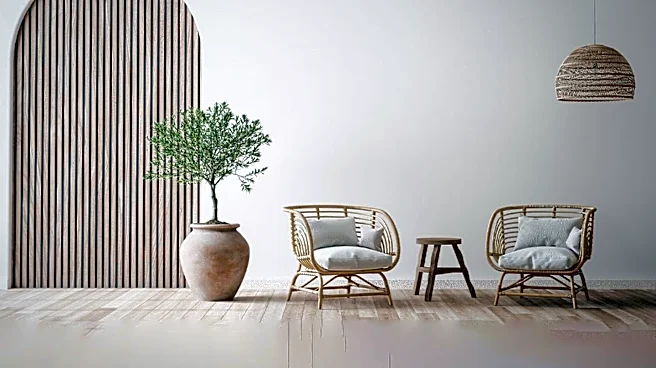
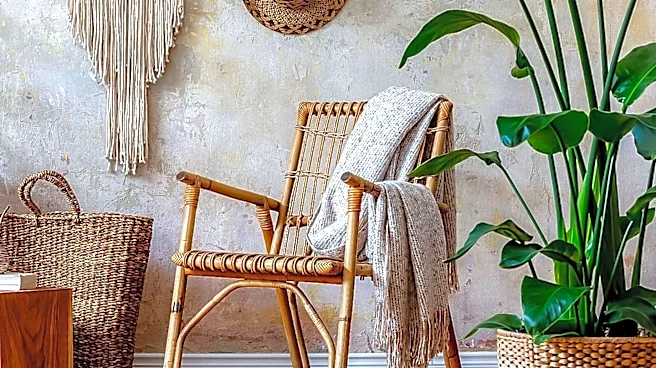
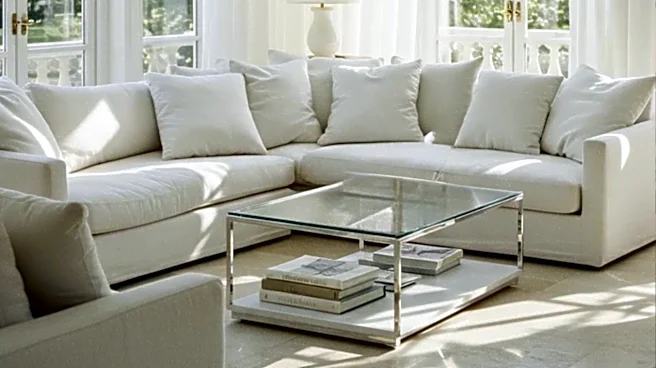
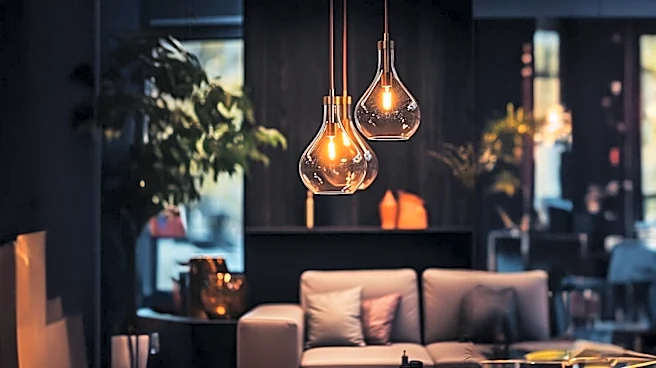
Interior design experts are forecasting significant shifts in furniture trends for 2027, moving away from mass-produced, uniform pieces towards more personalized, handcrafted, and unique designs. A key theme is the renewed appreciation for natural materials,
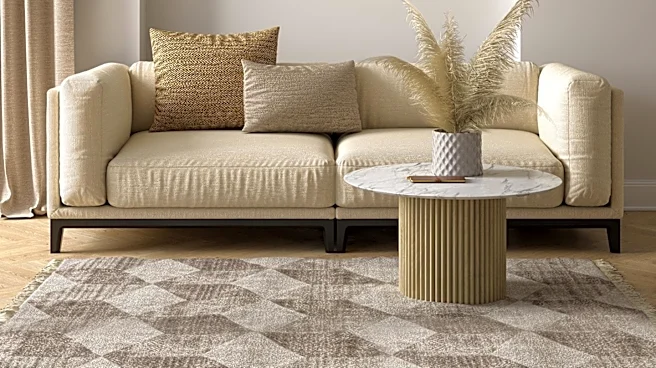
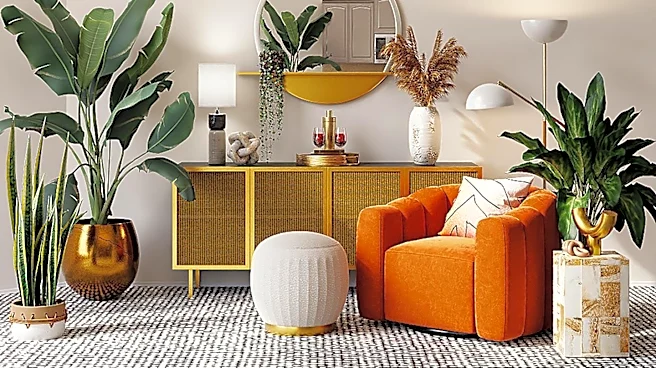
heritage, and craftsmanship. Designers note a growing desire among homeowners to create spaces that feel 'collected' rather than perfectly matched, incorporating vintage finds, heirlooms, and custom-made items. This trend prioritizes comfort, functionality, sustainability, and quality, with a focus on pieces that are built to last. Materials like natural wood, particularly those with decorative grains, luxurious velvets, jacquards, and burnished metals are gaining prominence. There's also a notable return to statement upholstery, featuring bold fabrics, rich colors, and decorative finishes like chintz florals, tapestry, and pleated skirts. The overall direction points to homes that reflect individual personalities and offer a sense of warmth and invitation.
Why It's Important?
This shift in furniture trends reflects broader societal values emphasizing individuality, sustainability, and a connection to nature. For the U.S. furniture industry, this could mean increased demand for custom furniture makers, artisans, and suppliers of high-quality, natural materials. Retailers might need to adapt their offerings to include more curated collections, vintage pieces, and options for customization, moving away from purely mass-market strategies. Consumers stand to gain more unique and personalized living spaces that are both functional and aesthetically rich, potentially leading to longer-lasting furniture investments. The emphasis on sustainability also aligns with growing environmental consciousness, potentially boosting businesses that source materials responsibly or offer upcycled and refurbished items. This trend could also influence interior design education and professional practices, with a greater focus on bespoke solutions and material knowledge.
What's Next?
In the coming years, consumers can expect to see a wider array of custom furniture options and a greater availability of unique, handcrafted pieces in the market. Interior designers will likely continue to champion personalized approaches, integrating clients' individual stories and preferences into their designs. The market for vintage and antique furniture is also expected to grow, as homeowners seek to incorporate pieces with history and character. Manufacturers may invest more in sustainable production methods and sourcing of natural materials to meet evolving consumer demands. Furthermore, technology could play a role in facilitating customization, with advanced design tools allowing for more precise and personalized furniture creation. Educational programs in design and craftsmanship may also see increased enrollment as demand for skilled artisans rises.
Beyond the Headlines
The move towards personalized and handcrafted furniture signifies a deeper cultural shift away from disposable consumerism towards valuing longevity, authenticity, and individual expression in the home. This trend challenges the fast-furniture model, encouraging a more thoughtful approach to interior design and consumption. Ethically, it promotes sustainable practices by favoring durable, high-quality items over transient trends, potentially reducing waste. Legally, there might be increased focus on intellectual property for custom designs and ethical sourcing certifications for materials. Culturally, it reflects a desire for homes to be sanctuaries that tell a personal story, offering comfort and a connection to heritage in an increasingly digital world. This could lead to a resurgence of traditional craftsmanship and a greater appreciation for the artistry involved in furniture making.