



What's Happening?
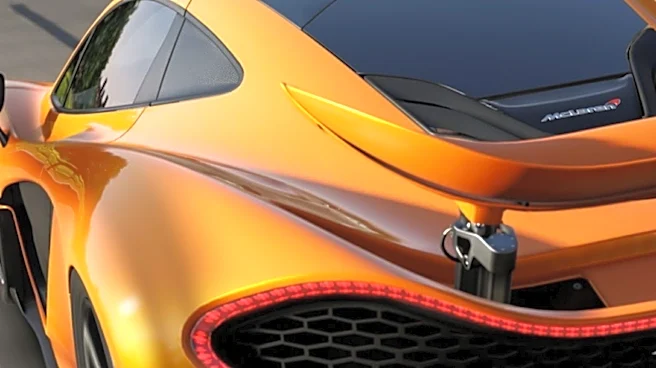
Owners of the McLaren P1 hypercar can now opt for a battery upgrade offered by British independent specialist V Engineering. This new solution addresses the aging of the original battery cells, some of which date back to 2010. The upgrade replaces the P1's
original 4.72 kWh lithium-ion pack with a more enduring 12.4 kWh unit. While official range figures are not yet announced, the original P1 had an electric range of approximately 10 km, suggesting the new battery could extend this to around 25 km. Additionally, the new battery pack is approximately 23 kg lighter than the original, contributing to improved performance for the 916 hp machine. This program, named Project Continuum, was developed with former P1 engineers and incorporates requirements inspired by Formula E, including glycol cooling for the battery. The first installations of this upgraded battery are scheduled for spring 2027.
Why It's Important?
This development is significant for the high-performance automotive sector, particularly for owners of older hybrid hypercars. It highlights a growing trend in the aftermarket industry to provide solutions for the longevity and performance enhancement of sophisticated, limited-production vehicles. As hybrid and electric vehicle technologies evolve rapidly, the issue of battery degradation in early models becomes more prominent. V Engineering's offering demonstrates a viable pathway for maintaining the cutting-edge performance and value of these exclusive cars, preventing them from becoming obsolete due to outdated battery technology. This initiative could also set a precedent for other independent specialists to develop similar upgrade programs for various high-value hybrid and electric vehicles, fostering a sustainable approach to luxury automotive ownership and extending the lifespan of these significant engineering achievements.
What's Next?
The initial installations of the upgraded battery for the McLaren P1 are slated for spring 2027. Following these first implementations, V Engineering will likely gather performance data and owner feedback, which could lead to further refinements or broader availability of the upgrade. The success of Project Continuum may encourage other independent specialists or even original equipment manufacturers (OEMs) to consider similar programs for their older hybrid and electric models. This could establish a new segment in the automotive aftermarket focused on extending the life and enhancing the performance of high-value, technologically advanced vehicles. Owners of other early hybrid hypercars will be closely watching the outcome, as this could pave the way for similar solutions for their vehicles, ensuring their continued relevance and performance in a rapidly advancing automotive landscape.
Beyond the Headlines
Beyond the immediate performance benefits, this battery upgrade touches upon deeper implications regarding the lifecycle and sustainability of high-performance vehicles. In an era increasingly focused on environmental responsibility, extending the operational life of existing vehicles through technological upgrades, rather than solely relying on new production, presents an interesting sustainability model. It also underscores the evolving relationship between car manufacturers, independent specialists, and owners in maintaining and enhancing complex automotive technology. The integration of Formula E-inspired technology into a road car highlights the trickle-down effect of motorsport innovation. Furthermore, it raises questions about the long-term value retention of hypercars, as the availability of such upgrades could significantly impact their collectibility and desirability in the future, ensuring that these engineering marvels remain relevant and functional for decades to come.