




What's Happening?
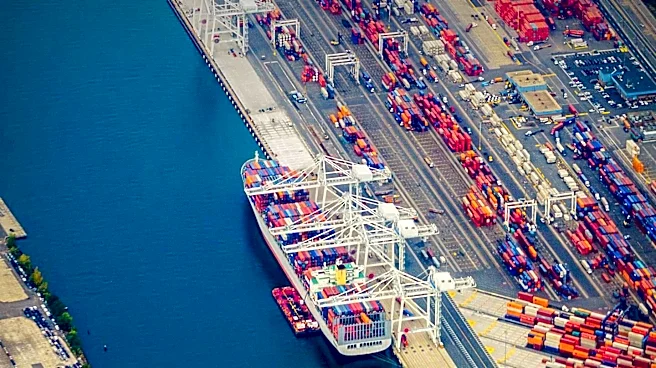
A potential strike at the ports of Los Angeles and Long Beach, which are among the busiest container terminals in the United States, has been deferred. The Pacific Maritime Association (PMA) and the International Longshore and Warehouse Union Local 26
have agreed to extend negotiations for a new labor contract for an additional two weeks, pushing the deadline to November 20. This marks multiple extensions, as the initial deadline was November 1, then extended to November 4, and subsequently to midnight on Friday. The union represents approximately 250 security workers at these ports. The PMA, representing port terminals and ocean carriers, stated its commitment to reaching a fair agreement to prevent disruptions. The previous labor contract expired in July 2025, and negotiations have been ongoing with assistance from the Federal Mediation and Conciliation Service. The Port of Long Beach CEO, Noel Hacegaba, anticipates elevated container volumes to persist through at least the beginning of next year, partly driven by cargo demands for the AI boom.
Why It's Important?
The deferral of a strike at the ports of Los Angeles and Long Beach is crucial for the U.S. economy, as these ports collectively handle about a third of the country's seaborne containerized goods. A strike could severely disrupt supply chains, impacting various U.S. industries, retailers, and consumers. The PMA warned that disruptions at affected terminals could impact roughly 85% of cargo at the Port of Long Beach and a third at the Port of Los Angeles. The timing is particularly sensitive as the Vincent Thomas Bridge, a key connection for the ports, is scheduled to close for over a year for repairs. The continued high container volumes, partly due to the AI boom, underscore the ports' critical role in supporting technological advancements and overall economic activity. Any prolonged labor dispute would lead to increased shipping costs, delays, and potential shortages of goods, affecting businesses and consumers nationwide.
What's Next?
Negotiations between the Pacific Maritime Association and the International Longshore and Warehouse Union Local 26 are scheduled to continue until November 20. The outcome of these talks will determine whether a strike is ultimately averted or if further extensions or industrial action will occur. The Port of Long Beach expects sustained high container volumes through the first quarter of next year, indicating ongoing pressure on port operations regardless of the labor dispute. Stakeholders, including businesses reliant on these ports for imports and exports, will closely monitor the negotiations. The Federal Mediation and Conciliation Service will likely continue its involvement to facilitate an agreement. The long-term stability of labor relations at these critical ports will influence future supply chain planning and investment decisions for many U.S. companies.
Beyond the Headlines
The ongoing labor negotiations at the ports of Los Angeles and Long Beach highlight the delicate balance between labor rights and economic stability in critical infrastructure sectors. The potential for a strike, even by a relatively small group of security workers, underscores the interconnectedness of the supply chain and the significant leverage held by labor unions in key logistical nodes. This situation also brings to light the broader challenges facing U.S. port infrastructure, including the need for continuous investment in equipment and systems to handle increasing cargo volumes, such as those driven by emerging technologies like AI. The reliance on a few major ports for a substantial portion of national trade exposes vulnerabilities that could prompt discussions about diversifying port capabilities and improving inland logistics to enhance overall supply chain resilience.