




What's Happening?
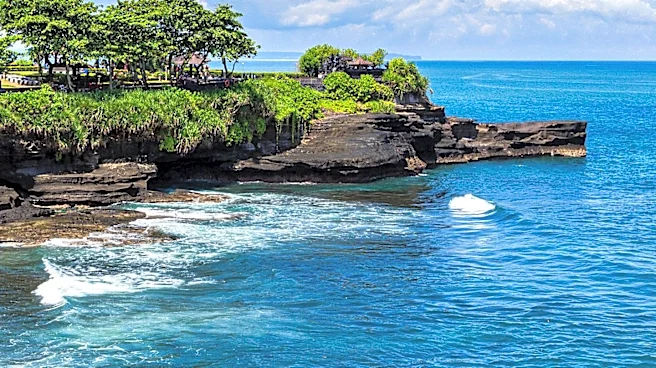
Bleisure travel, a growing trend that combines business trips with leisure activities, is increasingly being adopted by companies and employees. Bali, Indonesia, is highlighted as a prime example of a destination where business and leisure naturally intertwine,
supported by a robust tourism infrastructure, burgeoning creative and digital sectors, a strong wellness industry, and established MICE (Meetings, Incentives, Conferences, and Exhibitions) facilities. Similarly, San José, Costa Rica, is emerging as a significant hub for business and technology travel, driven by its expanding technology sector, which encourages the integration of leisure into business trips. This shift reflects a broader corporate focus on optimizing business travel to benefit both employees and organizational goals, emphasizing strategic travel management.
Why It's Important?
The rise of bleisure travel signifies a notable evolution in corporate travel policies and employee expectations within the U.S. and globally. For U.S. businesses, embracing bleisure can lead to increased employee satisfaction, reduced burnout, and potentially higher productivity, as employees can combine work with personal rejuvenation. Destinations like Bali and San José, by catering to this trend, stand to gain significant economic benefits through extended stays, increased spending on local services, and diversified tourism revenue. The hospitality and travel industries in the U.S. will need to adapt by offering more flexible packages and services that accommodate both business and leisure needs. Companies that fail to recognize and integrate bleisure into their travel strategies might lose out on attracting and retaining talent, especially in competitive sectors like technology, where work-life balance is highly valued. This trend also impacts urban planning and infrastructure development in cities aiming to become bleisure-friendly.
What's Next?
As bleisure travel continues to grow, companies are expected to further refine their travel policies to formally incorporate leisure components, potentially offering incentives or dedicated time off for such activities. Travel agencies and booking platforms will likely introduce more integrated packages that seamlessly blend business and leisure options, making it easier for employees to plan these hybrid trips. Destinations worldwide will increasingly market themselves as bleisure-friendly, investing in infrastructure and services that appeal to both corporate travelers and tourists. We can anticipate a greater emphasis on sustainable and wellness-focused bleisure options, reflecting broader societal trends. The success of destinations like Bali and San José will serve as case studies for other regions looking to capitalize on this evolving travel segment.
Beyond the Headlines
The bleisure trend extends beyond mere convenience, touching upon deeper aspects of employee well-being and the future of work. It challenges traditional notions of strict separation between work and personal life, promoting a more integrated approach that acknowledges the holistic needs of employees. This shift could lead to a re-evaluation of corporate culture, where companies are seen as more supportive of their employees' overall health and happiness. Furthermore, the environmental impact of increased travel, even if partially for leisure, will become a more prominent consideration, pushing for greener travel options and sustainable tourism practices. The blending of business and leisure also blurs geographical boundaries for talent acquisition, as employees may be more willing to travel for work if it offers opportunities for personal exploration and enrichment, potentially impacting labor markets and global talent mobility.