





What's Happening?
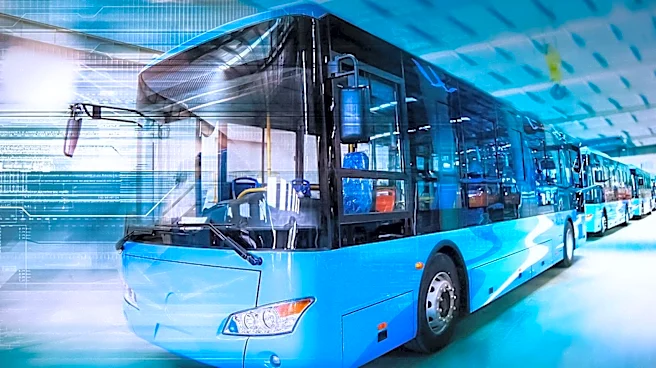
Energy Absolute Public Co Ltd (EA) recently hosted a media tour of its Absolute Assembly Co Ltd (AAB) facility in Chachoengsao’s Ban Pho district, Thailand. The purpose of the tour was to showcase the production and assembly of electric buses for the Bangkok
Mass Transit Authority’s (BMTA) project, which involves 1,520 clean-energy, air-conditioned buses. AAB, a Thai-owned manufacturer and assembler of commercial electric vehicles within the EA Group, has commenced production across all stages of this significant project. Chatrapon Sripratum, chief executive of EA, emphasized the company's commitment to ensuring the safety and quality of each bus, highlighting the meticulous processes maintained by the Thai team at Ban Pho. The media was guided through four key production stages: vehicle frame welding, anti-corrosion treatment and painting, vehicle assembly and installation of the electric powertrain and interior equipment, and finally, comprehensive testing of the vehicles and their systems before delivery. This initiative underscores EA's investment in manufacturing facilities and the development of local personnel to support Thailand's public transport system.
Why It's Important?
This development is crucial for Thailand's public transportation sector, marking a significant step towards sustainable and clean energy solutions. The production of 1,520 electric buses for the BMTA project will substantially reduce carbon emissions and air pollution in Bangkok, contributing to improved public health and environmental quality. For the EA Group, this large-scale project provides invaluable experience and a strong foundation for further developing other types of commercial electric vehicles, positioning them as a key player in the regional electric vehicle market. The investment in local manufacturing and personnel also stimulates economic growth, creates jobs, and fosters technological advancement within Thailand. The shift to electric buses can also lead to long-term operational cost savings for the BMTA due to lower fuel and maintenance expenses, potentially allowing for more efficient allocation of public funds and improved service for daily commuters.
What's Next?
With production underway, the next phase will involve the continued assembly and delivery of the 1,520 electric buses to the Bangkok Mass Transit Authority. The successful deployment and operation of these buses will serve as a critical case study for future electric vehicle adoption in public transport across Thailand and potentially other Southeast Asian nations. EA Group is expected to leverage the experience gained from this project to expand its commercial electric vehicle offerings, catering to a broader range of transport operators' needs. The project's progress will likely be monitored for its impact on urban air quality, operational efficiency, and public acceptance, which could influence further government policies and investments in electric public transportation infrastructure.
Beyond the Headlines
The transition to electric buses in Bangkok reflects a broader global trend towards decarbonization of urban transport. This initiative could inspire other major cities in the U.S. and worldwide to accelerate their own transitions to electric public transport, driven by environmental concerns and the potential for long-term economic benefits. The project also highlights the growing importance of local manufacturing capabilities in the electric vehicle supply chain, reducing reliance on foreign imports and strengthening national economies. Furthermore, the emphasis on training local personnel in advanced manufacturing techniques contributes to a skilled workforce, fostering innovation and technological self-sufficiency. This move could also influence consumer behavior, increasing public awareness and acceptance of electric vehicles, thereby accelerating the overall shift away from fossil fuel-dependent transportation.