





What's Happening?
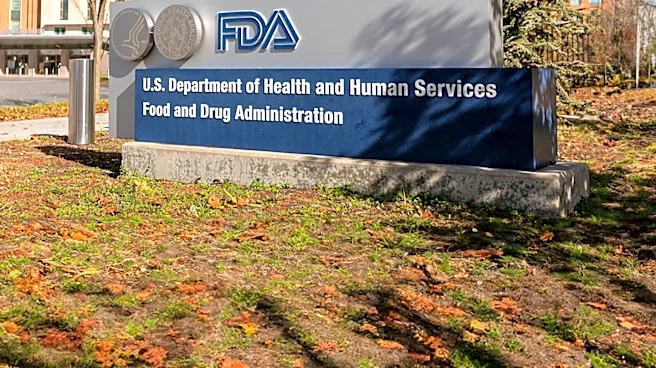
The U.S. Food and Drug Administration (FDA) has lifted its clinical hold on Aardvark Therapeutics' drug candidate ARD-101, intended for the treatment of extreme hunger in Prader-Willi syndrome (PWS). The hold was initially placed in May after reversible
cardiac observations were detected during a routine safety check in a healthy volunteer study, where participants received above-therapeutic doses of the drug. Aardvark had voluntarily suspended its Phase 3 HERO and open-label extension (OLE) studies in February due to these signals. Following the hold, Aardvark conducted a new, thorough ECG study in additional healthy volunteers, which found no cardiac events when ARD-101 was administered at therapeutic doses (200 mg and 400 mg twice daily). The biotech also performed an in vitro cardiac sodium channel (NaV1.5) study. With the regulatory pause removed, Aardvark plans to resume testing ARD-101 in PWS patients, aiming to meet with the FDA to align on Phase 3 plans and restart clinical activities in 2027.
Why It's Important?
The lifting of the FDA's clinical hold on ARD-101 is a critical development for Aardvark Therapeutics and the Prader-Willi syndrome community. PWS is a rare genetic disorder characterized by hyperphagia, an insatiable hunger that leads to severe obesity and related health issues. Effective treatments are scarce, making the progress of ARD-101 significant. For the pharmaceutical industry, this demonstrates the rigorous safety evaluation process by the FDA and the importance of comprehensive safety studies in drug development. The initial hold and subsequent lifting highlight the challenges and high stakes involved in bringing new therapies to market, especially for rare diseases. Success for ARD-101 could offer a new therapeutic option for PWS patients, potentially improving their quality of life and reducing the burden of the disease. Conversely, the earlier suspension had led to employee layoffs at Aardvark, underscoring the financial and operational impacts of clinical holds on biotech companies.
What's Next?
Aardvark Therapeutics intends to request a meeting with the FDA to finalize its Phase 3 plans for ARD-101 and expects to resume clinical activities for PWS in 2027. This will involve re-engaging with clinical sites and patient populations to restart trials. The company will need to carefully design its new Phase 3 studies to address any lingering safety concerns and demonstrate the drug's efficacy. The status of ARD-201, another asset combining ARD-101 with a DPP-4 inhibitor for obesity, which was also paused, remains unclear. The Prader-Willi syndrome community will be closely watching these developments, hoping for a successful progression of ARD-101 through clinical trials. The FDA's continued oversight will ensure that patient safety remains paramount as the drug moves towards potential approval.
Beyond the Headlines
The journey of ARD-101 from clinical hold to resumption of trials reflects the inherent risks and rewards in drug development for rare diseases. It highlights the delicate balance between accelerating access to potentially life-changing therapies and ensuring patient safety. The incident also underscores the financial fragility of biotech companies, where a clinical hold can lead to significant operational adjustments, including workforce reductions. Ethically, the case raises questions about the appropriate dosing in early-stage trials and the communication of potential risks to participants. Furthermore, the focus on activating taste receptors to suppress hunger in PWS offers a novel therapeutic approach, potentially paving the way for similar strategies in other metabolic disorders. The broader implications include a continued emphasis on robust cardiac safety assessments for new drug candidates and the need for sustained investment in rare disease research, despite the challenges.