


What's Happening?
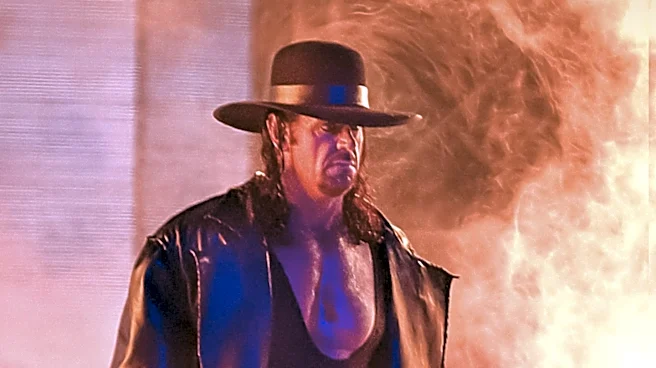
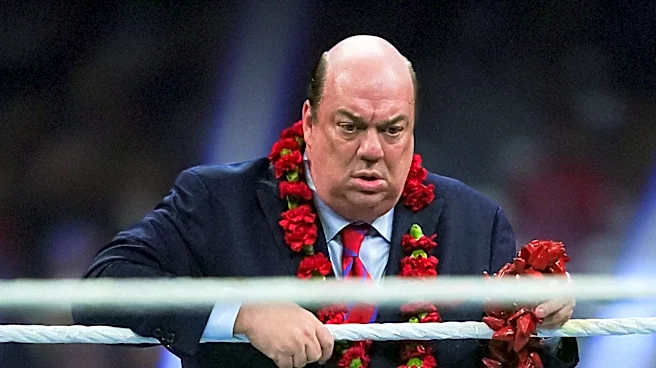
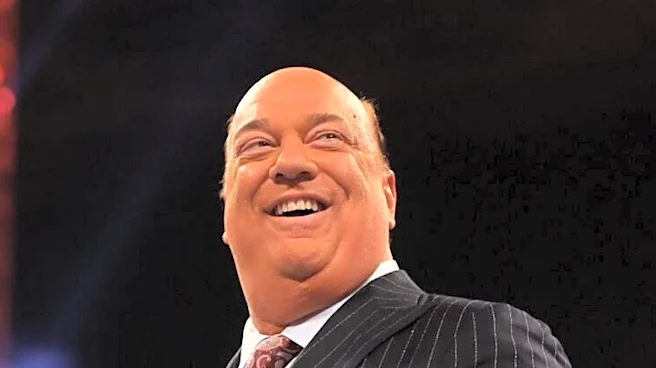
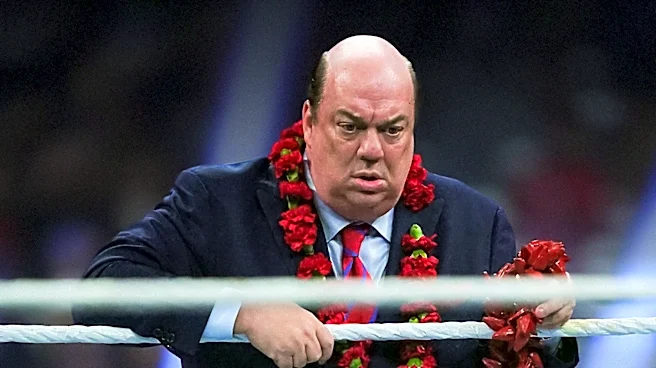
Paul Heyman, a prominent figure in professional wrestling, reportedly risked his career at WCW to facilitate Mark Calaway's (The Undertaker) move to WWE. According to Heyman, WCW management, specifically Ole Anderson, did not recognize Calaway's talent
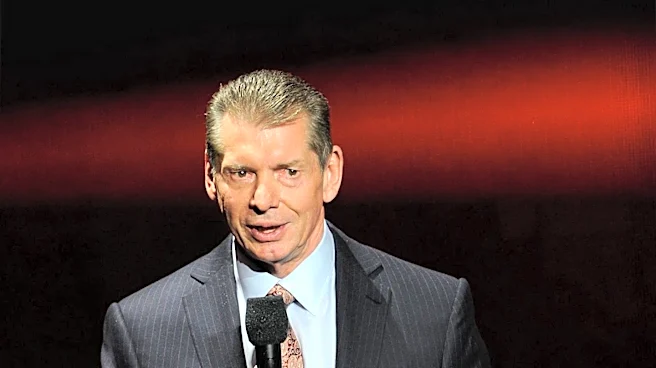
and offered him a 'lowball' contract in September 1990. Heyman, who was working for WCW at the time, saw immense potential in Calaway and secretly arranged a meeting between Calaway and Vince McMahon of WWE through a mutual friend. This clandestine meeting ultimately led to Calaway signing with WWE and becoming The Undertaker, a superstar who would go on to have a 30-year career with the promotion, winning seven World Championships and setting records at WrestleMania.
Why It's Important?
This event highlights the significant impact that individual talent scouts and advocates can have on the trajectory of careers and the landscape of an entire industry. Heyman's foresight in recognizing Calaway's potential, despite WCW's oversight, not only launched The Undertaker's legendary career but also contributed significantly to WWE's success and the broader appeal of televised professional wrestling. The Undertaker became one of WWE's most influential superstars, generating substantial revenue and captivating audiences for decades. This decision by Heyman, made at personal professional risk, underscores how critical talent identification and strategic career moves are in competitive entertainment sectors, shaping legacies and financial outcomes for both individuals and organizations.
What's Next?
While the event itself is historical, its implications continue to resonate within the professional wrestling industry. The story serves as a testament to the long-term value of investing in talent and the potential consequences of underestimating individuals. For current and aspiring wrestling promoters and talent, it reinforces the importance of recognizing and nurturing potential, even if it means going against conventional wisdom or taking calculated risks. The legacy of The Undertaker, directly linked to Heyman's actions, will continue to be celebrated, influencing future generations of wrestlers and fans. This narrative also adds to Paul Heyman's reputation as a shrewd and influential figure in wrestling, further solidifying his standing as a 'talent spotter.'
Beyond the Headlines
The story of Paul Heyman and The Undertaker delves into the ethical complexities of corporate loyalty versus individual conviction. Heyman's actions, while a 'betrayal' of his then-employer WCW, were driven by a belief in Calaway's talent and a desire to prevent what he saw as a squandering of potential. This raises questions about the responsibilities of employees when they perceive a significant misjudgment by their organization regarding talent or strategic direction. It also illustrates the often cutthroat nature of competitive industries like professional wrestling, where securing top talent can be a make-or-break factor for a promotion's success. The long-term financial and cultural impact of The Undertaker's career, including his reported earnings of nearly $15 million in his most successful year, underscores the profound ripple effects of such pivotal decisions.