

What's Happening?
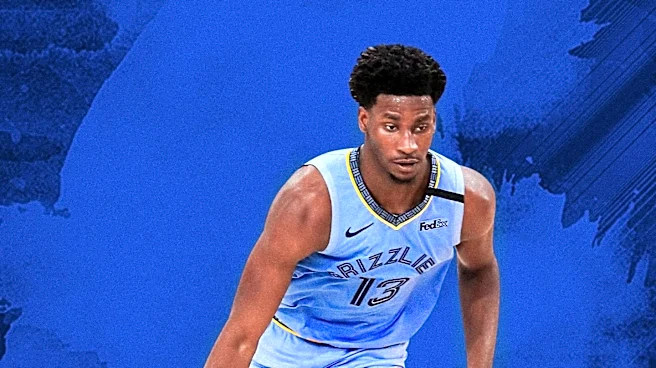
The Memphis Grizzlies have entered into a multi-year agreement with DAZN, making the streaming service the exclusive local broadcast partner for their games. This partnership means DAZN will stream every Grizzlies game not selected for national television
coverage, totaling 78 games for the 2026-27 season, across the team's local broadcast territory. This extensive coverage area includes Tennessee, Mississippi, Kentucky, Alabama, Missouri, Central and Southern Illinois, and Eastern Arkansas. As part of the deal, 15 of these 78 games will be available for free on the DAZN app and simulcast on local over-the-air broadcast stations. The coverage is set to begin with all four of the Grizzlies' pre-season games starting October 6, which will also be free over-the-air. Beyond live games, DAZN will also broadcast Grizzlies-produced shoulder content, ancillary programming, and select games featuring the Memphis Hustle, the Grizzlies’ NBA G-League affiliate. This move follows a trend of NBA teams shifting their local broadcast distribution to DAZN, as the platform has recently secured similar deals with the Indiana Pacers, Minnesota Timberwolves, Cleveland Cavaliers, Orlando Magic, and San Antonio Spurs.
Why It's Important?
This partnership signifies a significant shift in how NBA content is delivered to local fans, moving away from traditional regional sports networks towards direct-to-consumer streaming platforms. For the Memphis Grizzlies, this deal expands their reach and offers fans more flexible viewing options, aligning with evolving consumption habits. DAZN's strategy to secure local rights for numerous NBA teams, especially after the dissolution of Main Street Sports Group's regional broadcast network, positions it as a major player in the U.S. sports broadcasting landscape. This move could democratize access to local team games, potentially increasing viewership by offering more affordable and accessible streaming packages compared to traditional cable subscriptions. The inclusion of free-to-view games also lowers the barrier to entry for casual fans, potentially growing the team's local fanbase. For DAZN, these exclusive local rights are crucial for its expansion in the U.S. market, allowing it to establish a strong foothold in key regional sports markets and compete with established broadcasters.
What's Next?
The immediate next step is the commencement of Grizzlies game broadcasts on DAZN, starting with the pre-season games on October 6, followed by the regular season on October 22. Fans in the Grizzlies' broadcast territory will need to subscribe to DAZN or utilize the free over-the-air options for select games. This trend of NBA teams partnering with streaming services is likely to continue, especially as more local broadcast rights become available. Other NBA teams whose rights were previously held by Main Street Sports Group may follow suit, leading to further consolidation of local NBA content on platforms like DAZN. This could prompt traditional broadcasters to re-evaluate their strategies for acquiring and distributing local sports content. The success of these partnerships will likely influence future negotiations between sports leagues, teams, and streaming platforms, potentially accelerating the shift towards a more fragmented and direct-to-consumer sports viewing ecosystem.
Beyond the Headlines
This shift in local sports broadcasting highlights a broader transformation in media consumption, driven by technological advancements and changing consumer preferences. The move to streaming platforms like DAZN challenges the long-standing model of regional sports networks, which have faced financial difficulties and declining subscriber bases. This could lead to increased competition among streaming services for exclusive sports content, potentially driving up the value of broadcast rights. Furthermore, the emphasis on 'digital-first' and 'personalized' viewing experiences, as noted by DAZN Group chief executive Shay Segev, suggests a future where sports broadcasts are more interactive and tailored to individual fan preferences. This could include features like multi-view options, alternate angles, and on-demand content, enhancing the overall fan experience. However, it also raises questions about digital divide issues, as access to reliable internet and streaming devices becomes essential for sports viewership, potentially excluding some segments of the population.