





What's Happening?
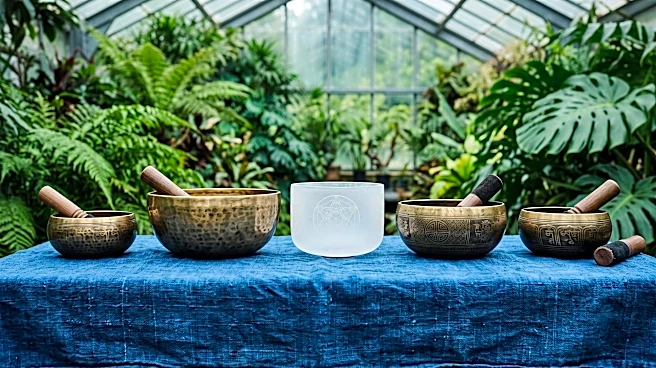
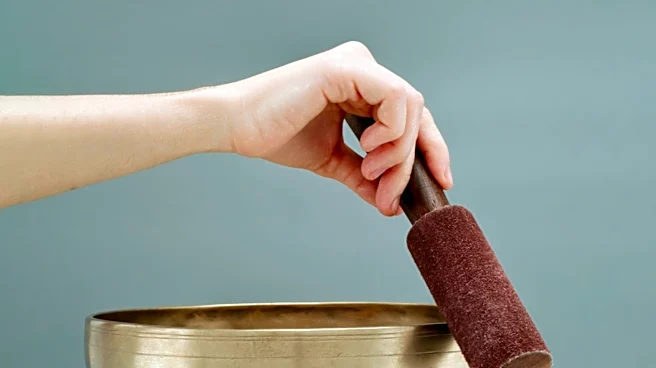
Sound healing, often referred to as a sound bath, is an increasingly popular wellness practice where participants lie down and listen to instruments such as singing bowls, gongs, chimes, tuning forks, or handpans. This practice does not involve melodies
or a performer, but rather immerses individuals in sound. Scientific studies, though often small-scale, suggest that sound meditation sessions can lead to decreased levels of tension, anger, and fatigue, while improving overall well-being. Research on singing bowl meditation, for instance, has shown reductions in blood pressure and heart rate, indicating a shift to a parasympathetic nervous system state, which is associated with relaxation. Participants often report experiencing physical sensations like tingling or heaviness, and sessions typically last between 45 to 90 minutes. The primary mechanism through which sound therapy is believed to work is by transitioning the nervous system from a stress-induced state to one of relaxation.
Why It's Important?
The growing popularity of sound healing signifies a broader trend in the U.S. towards alternative and complementary wellness practices for stress reduction and mental well-being. As more individuals seek non-pharmacological methods to manage stress, anxiety, and fatigue, practices like sound baths offer an accessible entry point into mindfulness and relaxation. The scientific findings, even if preliminary, lend credibility to these practices, potentially encouraging wider adoption in wellness programs, studios, and even corporate settings. This shift could impact the healthcare industry by promoting integrative approaches to health, where traditional medicine is complemented by practices that enhance mental and emotional states. For individuals, it offers a tool for self-care that can improve daily quality of life by fostering a state of calm and reducing physiological markers of stress.
What's Next?
As scientific understanding of sound healing evolves, further research is likely to explore its efficacy in managing specific conditions and its integration into broader therapeutic frameworks. The increasing acceptance may lead to more standardized practices and certifications for sound healing facilitators, ensuring quality and safety for participants. We may also see an expansion of sound healing offerings in diverse settings, from community centers to corporate wellness programs, as organizations recognize its potential benefits for employee well-being and stress management. Additionally, the development of at-home sound healing resources, such as guided audio sessions and specialized instruments, could make the practice more accessible to a wider audience, further solidifying its place in the mainstream wellness landscape.
Beyond the Headlines
Beyond its immediate benefits for relaxation, the rise of sound healing reflects a cultural re-evaluation of sensory experiences and their impact on mental health. In an increasingly noisy and visually stimulating world, practices that emphasize auditory immersion offer a unique pathway to introspection and emotional release. This trend also highlights a growing skepticism towards purely mechanistic views of health, encouraging a more holistic perspective that acknowledges the mind-body connection. While claims of specific frequencies healing cells or balancing chakras lack scientific substantiation, the experiential benefits reported by many participants underscore the profound psychological and physiological effects of sound. This movement could foster a greater appreciation for the therapeutic potential of sound and vibration, influencing fields from music therapy to environmental design, as societies seek to create more harmonious and health-promoting auditory environments.