








What's Happening?
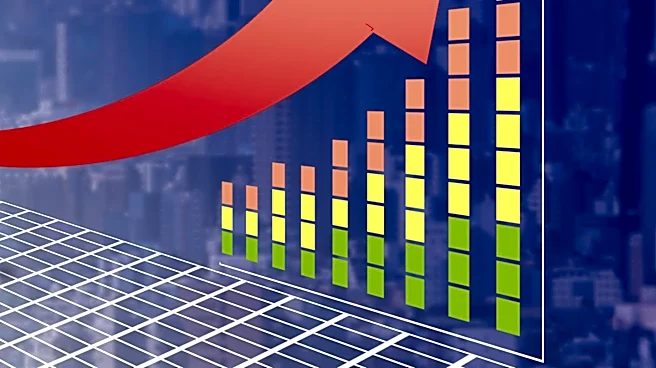
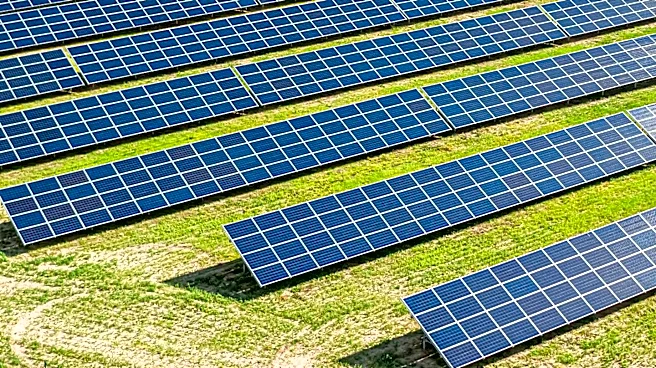
The global solar tracker market is projected to grow significantly, from USD 10.32 billion in 2024 to USD 22.87 billion by 2029, at a Compound Annual Growth Rate (CAGR) of 17.3%. This growth is primarily driven by the increasing adoption of utility-scale
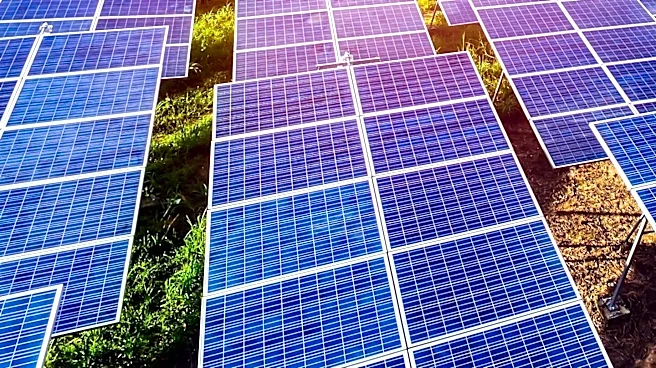
solar projects and the need to maximize energy yield from photovoltaic (PV) installations. Solar trackers, which dynamically adjust solar panel orientation to follow the sun, can increase electricity generation by approximately 30% to 40% compared to fixed-tilt systems. MarketsandMarkets identifies supportive policy frameworks, tax credits, and renewable portfolio standards as key factors encouraging investment in tracker-equipped solar installations. North America currently holds a leading share in this market, supported by federal and state-level incentives, though Asia Pacific is expected to be the fastest-growing region.
Why It's Important?
The rapid expansion of the solar tracker market is crucial for enhancing the efficiency and economic viability of solar energy, particularly for large-scale projects. By significantly boosting energy yield, solar trackers improve the return on investment for utility-scale solar farms, making them more attractive to investors and developers. This technology is becoming a standard component in large solar infrastructure planning, moving beyond a niche add-on. The market's growth is also intertwined with global decarbonization targets, such as the U.S. Federal Climate Change Act of 2021 aiming for net-zero emissions by 2045, and North America's goal of sourcing 50% of electricity from renewable sources. The integration of solar trackers with energy storage systems also contributes to grid stability by providing a steadier and more predictable power output, addressing a key challenge of variable renewable energy sources.
What's Next?
The future of the solar tracker market will be characterized by continued technological advancements, including smart monitoring and AI-based tracking algorithms that can optimize performance based on weather conditions and shading. The market is expected to see further integration of trackers with inverters, energy storage systems, and smart grid technologies to create more efficient and reliable solar power plants. As utility-scale solar projects continue to scale, solar trackers are poised to become a standard specification rather than an optional upgrade. Government policies and incentives will remain critical drivers, with ongoing investment in advanced tracking technologies, sustainable materials, and expanded manufacturing capacity by leading players. This trajectory suggests a future where solar trackers are central to optimizing energy yield and ensuring grid stability within the broader clean energy transition.
Beyond the Headlines
The growth of the solar tracker market signifies a deeper evolution in how solar energy is harnessed and integrated into the power grid. It reflects a shift from simply deploying solar panels to optimizing their performance through intelligent systems. This technological advancement has implications for energy security, as more efficient solar generation reduces reliance on fossil fuels. Furthermore, the increasing sophistication of solar tracking, combined with energy storage, addresses the intermittency challenge of renewables, making them more dispatchable and reliable. This trend also highlights the global nature of the clean energy transition, with significant growth expected in both developed and emerging markets. The continuous innovation in this sector underscores the potential for technology to overcome barriers to widespread renewable energy adoption and contribute to ambitious climate goals.