



What's Happening?
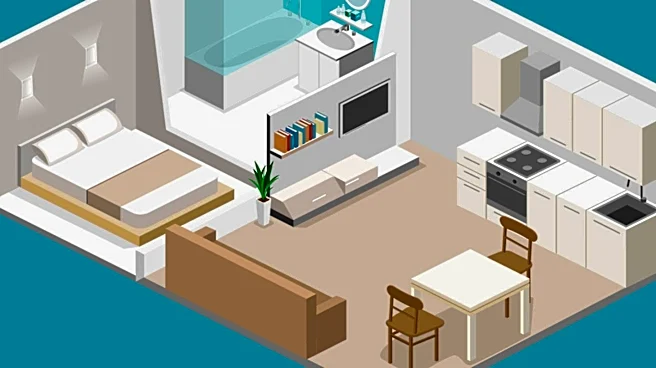
Studio apartments are gaining attention as a practical housing option, particularly in urban environments where space is at a premium. These units integrate the bedroom, living area, and kitchen into a single open space, with only the bathroom typically
enclosed. This design maximizes the utilization of limited square footage, making them attractive for individuals seeking compact living or those with budget constraints. While often smaller in overall size compared to one-bedroom apartments, studios can offer a sense of spaciousness due to their open-plan layout. Key characteristics include an open-plan living area, a separate bathroom, and a compact, often multi-functional kitchen. This type of accommodation is particularly suitable for working individuals, college students, those frequently away from home, first-time homebuyers with limited finances, and investors targeting small rental units.
Why It's Important?
The rise of studio apartments reflects a broader trend in urban living, driven by increasing population density and the demand for affordable housing options in metropolitan areas. For individuals, studios offer a lower entry point into the housing market, both for renting and purchasing, making homeownership more accessible. For investors, studios can provide a higher percentage rental yield due to their lower initial acquisition costs, even if one-bedroom units might generate higher overall monthly cash flow. This housing model supports a more minimalist lifestyle, reducing utility costs and maintenance efforts. The design philosophy behind studio apartments emphasizes efficient space utilization and multi-functional furniture, influencing interior design trends and product development in the home furnishings sector. This shift impacts urban planning, as developers increasingly incorporate these units to meet market demand for compact, efficient living spaces.
What's Next?
The demand for studio apartments is expected to continue growing, especially in high-cost-of-living areas. Developers are likely to further innovate in design, incorporating more advanced space-saving solutions and smart home technologies to enhance the functionality and appeal of these compact units. Future trends may include modular furniture systems, integrated storage solutions, and flexible layouts that can adapt to different daily needs. The market will likely see an increase in specialized interior design services catering to small spaces, offering tailored solutions for maximizing comfort and utility. Additionally, as remote work becomes more prevalent, there may be a greater emphasis on incorporating dedicated, yet discreet, workspace solutions within studio designs. This ongoing evolution will shape urban residential landscapes and influence consumer preferences for efficient and adaptable living environments.
Beyond the Headlines
The growing popularity of studio apartments extends beyond mere practicality, touching upon broader societal and cultural shifts. It signifies a move towards more sustainable living, as smaller homes generally consume fewer resources and have a smaller environmental footprint. This trend also challenges traditional notions of home and personal space, encouraging individuals to re-evaluate their needs and prioritize experiences over possessions. The design of studio apartments often fosters creativity in personalizing and organizing living areas, promoting a more intentional approach to home decor. Furthermore, the communal aspects of apartment living, often associated with studio complexes, can lead to stronger community bonds and shared amenities, redefining the social fabric of urban neighborhoods. This shift reflects a broader cultural embrace of efficiency, minimalism, and adaptability in modern life.