







What's Happening?
Art Basel 2026 is set to host a unique event called Warehouse Artefacts, which combines elements of installation, theatre, and a rave. The event, conceived by artist Julian Charrière, musician Thomas Bangalter, and DJ Rampa, will take place in Hall 1.1
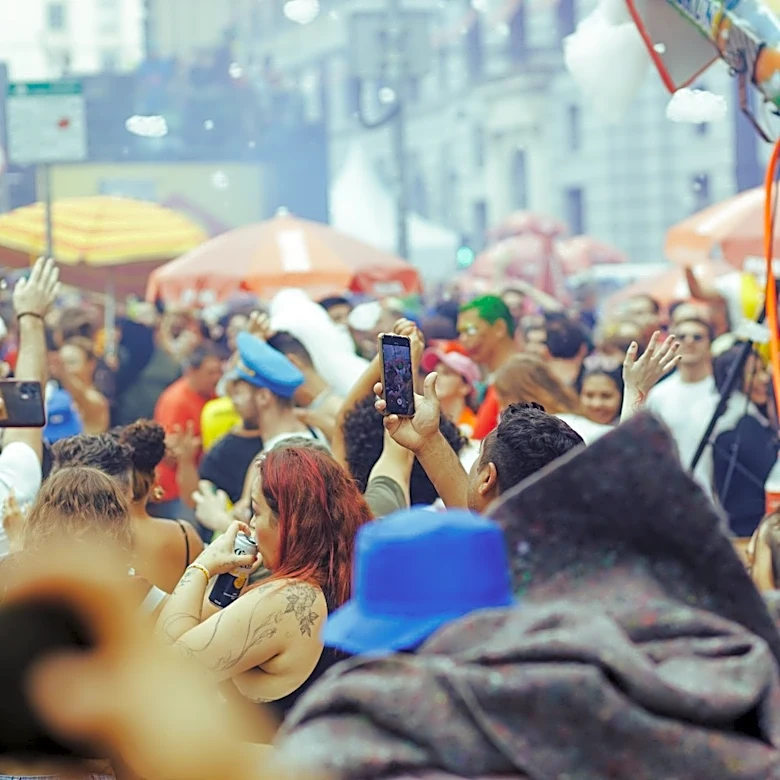
South of the Messe Basel site. Initially, the space will serve as an installation open to all Art Basel ticket holders, featuring flickering lights, fog, and sounds related to house music. A central feature of the installation is a sealed glass monolith containing an analogue tape machine playing the Universal Declaration of Human Rights, read by former First Lady Eleanor Roosevelt. The event aims to reflect on historical efforts to improve the world during politically challenging times. At 6pm, the installation will transform into a rave, led by DJ Rampa and a special guest, with all 3,400 tickets already sold.
Why It's Important?
This event at Art Basel highlights the intersection of art, music, and social commentary, using historical context to address contemporary issues. By featuring Eleanor Roosevelt's reading of the Universal Declaration of Human Rights, the event underscores the ongoing relevance of human rights in today's divisive political climate. The combination of art and music serves as a medium for community building and reflection during times of crisis. This approach not only enriches the cultural experience at Art Basel but also encourages attendees to engage with important social themes, potentially influencing public discourse and awareness.
What's Next?
Following the rave, attendees are expected to continue the celebration at the 'after.art.klub' at Nordstern Basel. The success of this event could inspire similar initiatives that blend art, music, and social issues, potentially becoming a staple at future Art Basel events. Stakeholders in the art and music industries may look to this event as a model for creating engaging and meaningful experiences that resonate with audiences on multiple levels.
Beyond the Headlines
The event's use of Eleanor Roosevelt's speech highlights the enduring power of historical figures and documents in shaping contemporary cultural narratives. By integrating these elements into a modern rave setting, the organizers challenge traditional boundaries of art and music, fostering a dialogue about the role of culture in addressing societal challenges. This innovative approach may influence future artistic endeavors, encouraging creators to explore new ways of engaging with history and social issues.