





What's Happening?
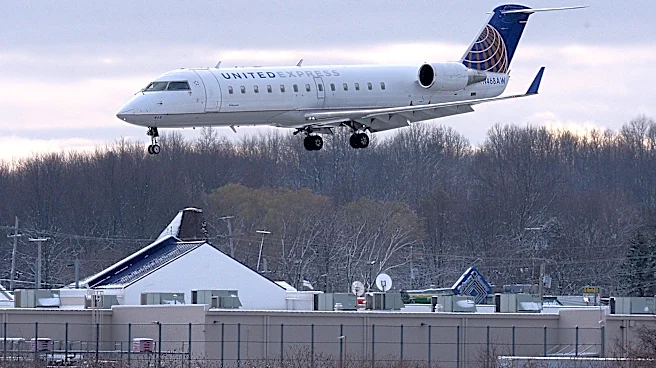
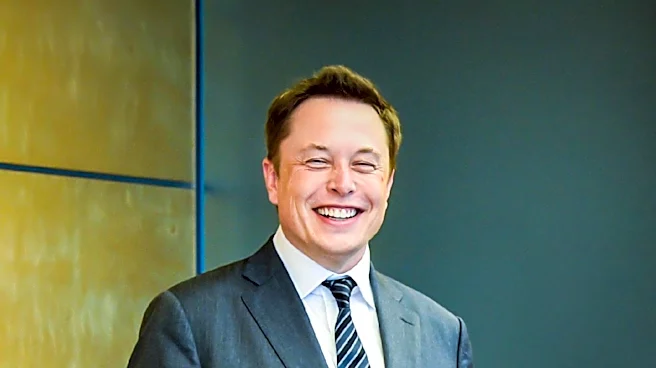
Scott Kirby, the current CEO of United Airlines, has a distinguished career spanning over three decades in the airline industry. He assumed the role of CEO at United Airlines after serving as its president from 2016 to 2020. During his tenure as president,
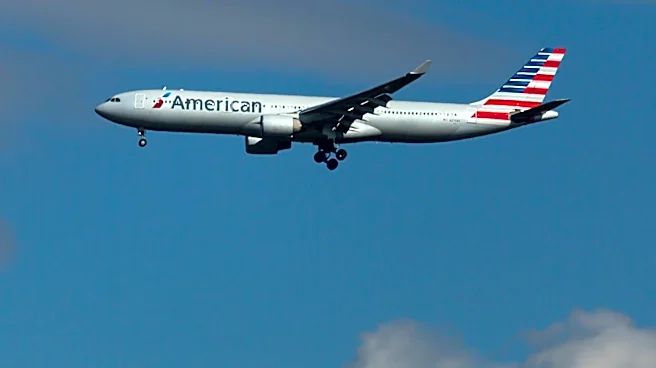
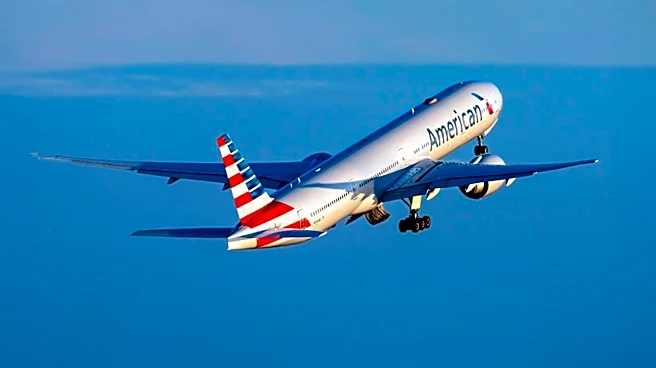
Kirby was responsible for overseeing critical operational areas including marketing, sales, alliances, network planning, and revenue management. He also played a significant role in the cultural transformation and strategic growth initiatives of United Airlines. Beyond his executive duties, Kirby was elected Chairman of the Star Alliance Chief Executive Board in December 2020 and is a member of the International Air Transport Association Board of Governors. His prior leadership experience includes serving as president of American Airlines from 2013 to 2016 and US Airways from 2006 to 2013. Before entering the airline sector, Kirby began his career at the Pentagon and in the technology industry, holding degrees from the U.S. Air Force Academy and George Washington University.
Why It's Important?
Scott Kirby's extensive background and leadership roles across major U.S. airlines underscore his significant influence on the American aviation industry. His strategic decisions at United Airlines, particularly in areas like network planning and revenue management, directly impact the airline's profitability, market share, and service offerings for millions of U.S. travelers. His involvement with the Star Alliance Chief Executive Board and the International Air Transport Association Board of Governors also signifies his broader impact on global aviation policies and inter-airline cooperation, which can affect international travel options and standards for U.S. consumers. His experience in navigating complex industry challenges, including cultural transformations and strategic growth, is crucial for United Airlines in a highly competitive and dynamic market. The stability and direction provided by a leader with such a comprehensive understanding of the sector are vital for the airline's employees, shareholders, and the broader U.S. economy, given the airline industry's role in facilitating business and tourism.
What's Next?
As CEO of United Airlines, Scott Kirby is expected to continue guiding the airline's strategic direction, focusing on operational efficiency, customer experience, and financial performance. His leadership will be critical in navigating ongoing challenges such as fluctuating fuel prices, labor negotiations, and evolving passenger demands. Given his past involvement in cultural transformation and strategic growth, future initiatives under his leadership may include further technological advancements, expansion of key routes, and continued efforts to enhance United's competitive position. His role on international aviation boards suggests he will also remain influential in shaping global airline standards and partnerships, which could lead to new collaborations or policy changes affecting U.S. air travel. Stakeholders, including investors, employees, and passengers, will closely monitor United's performance and strategic announcements under his continued leadership.
Beyond the Headlines
Scott Kirby's career trajectory, from the Pentagon and technology sector to leading major airlines, highlights a unique blend of public service, technological acumen, and business leadership. This diverse background likely informs his approach to complex problem-solving and strategic decision-making within the airline industry. His emphasis on cultural transformation at United Airlines suggests a deeper understanding of organizational dynamics beyond mere financial metrics, aiming to foster a more cohesive and effective workforce. This holistic leadership style can have long-term implications for employee morale, customer loyalty, and the overall brand perception of United Airlines. Furthermore, his involvement in international aviation bodies points to the interconnectedness of global air travel and the necessity for U.S. airline leaders to engage with broader geopolitical and economic forces. His leadership exemplifies how individuals with varied experiences can bring fresh perspectives to established industries, potentially driving innovation and resilience in the face of evolving global challenges.