








What's Happening?
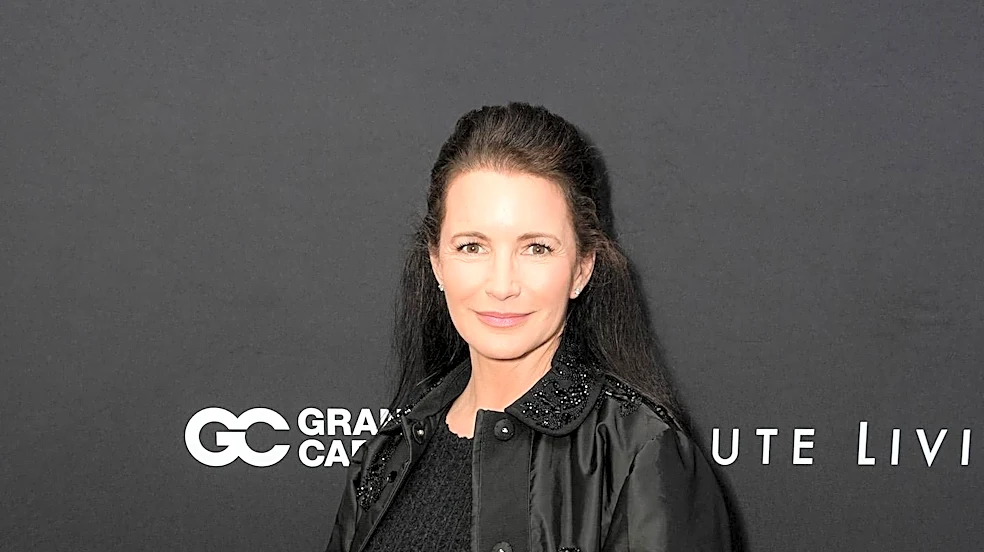
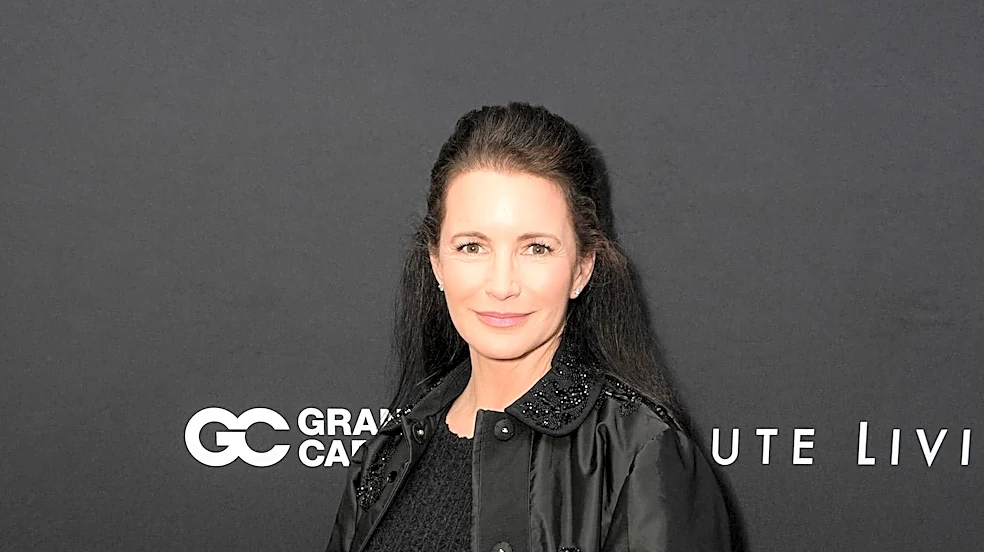
Actress Kristin Davis, known for her role as Charlotte York in 'Sex and the City' and its spin-off 'And Just Like That...', recently opened up about the body image pressures she faced during the original series. On her podcast, 'Are You a Charlotte?',
Davis discussed with actor Evan Handler (who played Harry Goldenblatt) the challenges she encountered with the show's wardrobe supervisor, Patricia Field. According to Davis, Field was often 'frustrated' with her curves, as the prevailing fashion ideal in the late 1990s was a 'straight' silhouette, which did not align with Davis's natural body type. Davis recounted extreme dieting measures she undertook, including a period where she consumed only M&M's for several weeks, leading to visible ribs and significant weight loss. She described this period as unhealthy, noting that she 'wasn't eating real food' and was 'practically all bones.' This conversation highlighted the intense scrutiny actors, particularly women, faced regarding their physical appearance in the industry.
Why It's Important?
This revelation from Kristin Davis underscores the pervasive and often damaging body image standards within the entertainment industry, particularly for women. Her experience sheds light on the historical pressures placed on actresses to conform to specific aesthetic ideals, which can lead to unhealthy behaviors and psychological distress. The discussion is significant as it comes from a prominent figure in a show that was, in many ways, celebrated for its portrayal of female empowerment and diverse female characters. It reveals a behind-the-scenes reality that often contradicts the on-screen narrative of confidence and self-acceptance. This conversation contributes to the ongoing dialogue about body positivity and the need for more realistic and healthy representations of women in media, challenging the industry to re-evaluate its expectations and treatment of performers.
Beyond the Headlines
Kristin Davis's candid discussion extends beyond a personal anecdote, touching upon broader societal issues concerning body shaming and the objectification of women. Her experience with extreme dieting to meet industry standards reflects a culture that often prioritizes appearance over health and well-being. The pressure she felt, even as a successful actress, highlights how deeply ingrained these ideals are, influencing not only public perception but also the internal struggles of individuals. This situation also brings into question the role of creative teams, such as wardrobe supervisors, in perpetuating or challenging these norms. While fashion can be a form of artistic expression, it can also become a tool for enforcing narrow beauty standards. Davis's story serves as a powerful reminder of the hidden battles many individuals face in environments that demand physical conformity, prompting a deeper reflection on ethical responsibilities within creative industries.