






What's Happening?
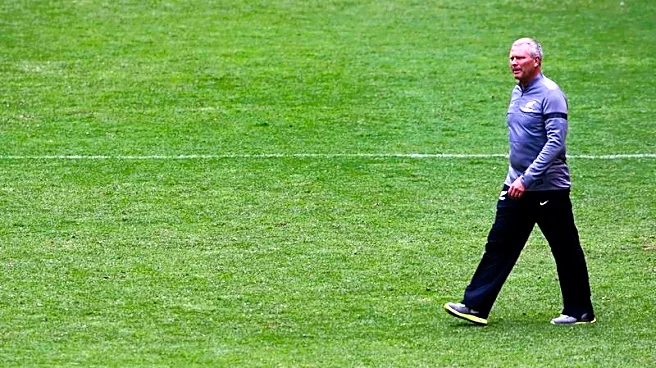
Rapper T-Pain expressed confusion after being mistakenly tagged by DoorDash in social media posts related to a FIFA World Cup match. The error occurred during a Group G match between New Zealand and Egypt at Vancouver's BC Place, where New Zealand defender
Tim Payne was playing. DoorDash's official X account mistakenly credited T-Pain with actions on the field, such as throw-ins and assists, instead of the soccer player. T-Pain responded on social media, clarifying that he does not play soccer and asking DoorDash to stop tagging him. The mix-up brought unexpected attention to Tim Payne, whose social media following surged after being highlighted by a social media personality as the World Cup's least-known player. DoorDash later acknowledged the mistake in a follow-up post.
Why It's Important?
This incident underscores the potential for errors in social media management, especially during high-profile events like the FIFA World Cup. Such mistakes can lead to confusion and unintended publicity for individuals not involved in the event. For T-Pain, the mix-up highlights the challenges celebrities face in managing their public image online. For DoorDash, the error serves as a reminder of the importance of accurate social media engagement, particularly when associating with major global events. The incident also reflects the heightened online engagement surrounding the World Cup, which has seen significant social media activity despite initial concerns about the expanded format and ticket prices.
What's Next?
DoorDash may need to review its social media protocols to prevent similar errors in the future. The company might also consider issuing a formal apology to T-Pain to address any potential reputational impact. For Tim Payne, the unexpected attention could lead to increased visibility and opportunities, both on and off the field. As the World Cup continues, organizers will likely focus on maintaining high engagement levels and addressing any ongoing concerns about access and pricing. The incident may prompt other companies to reassess their social media strategies during major events to avoid similar mistakes.