



What's Happening?
City pop, a Japanese music genre that originated in the late 1970s and flourished in the 1980s, is experiencing a significant international revival. This genre is characterized by its polished production, expressive melodies, and rhythmic sophistication,
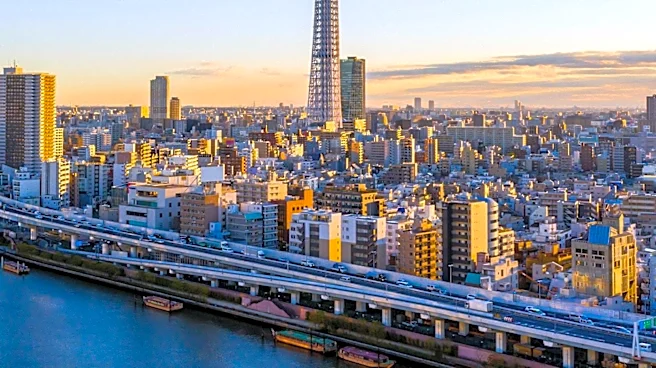
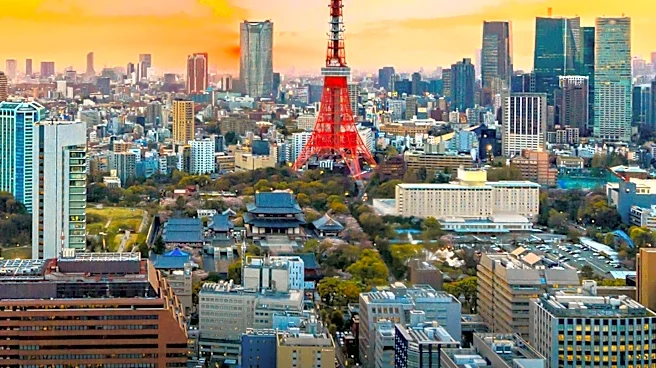
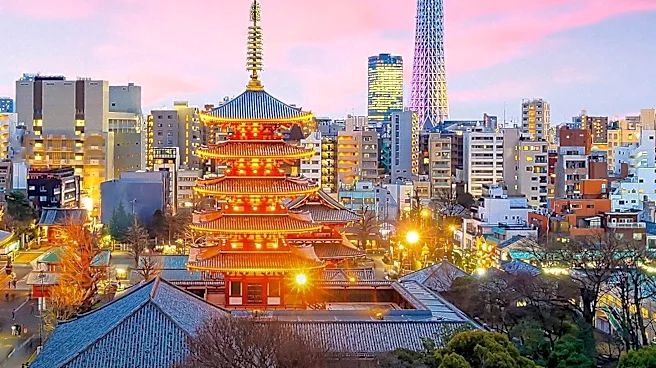
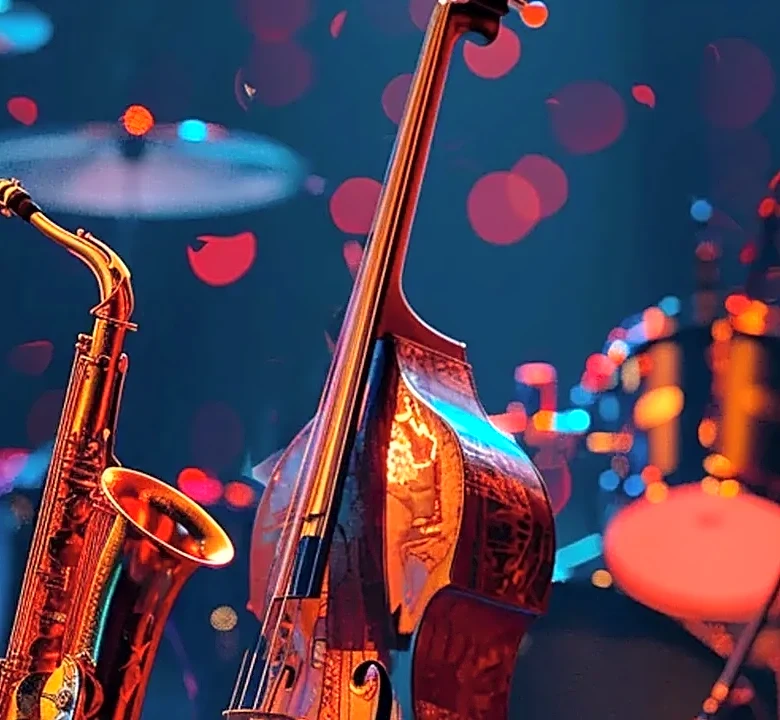
drawing influences from funk, disco, soul, R&B, soft rock, jazz fusion, and Western-influenced pop. Key musical elements include prominent, melodic basslines inspired by American funk, clean electric guitars with funk-inspired strumming and jazz chords, and the extensive use of synthesizers and electronic keyboards. The genre's name reflects its association with metropolitan lifestyles, romance, driving, beaches, nightlife, and urban culture during Japan's period of rapid economic growth. Artists like Mariya Takeuchi, Tatsuro Yamashita, Miki Matsubara, Anri, Taeko Onuki, and Junko Ohashi are central figures, with songs such as Mariya Takeuchi’s “Plastic Love” and Miki Matsubara’s “Mayonaka no Door (Stay With Me)” gaining renewed global attention through online platforms.
Why It's Important?
The resurgence of city pop highlights the enduring appeal of well-produced, melodically rich music, transcending geographical and temporal boundaries. Its rediscovery, largely driven by platforms like YouTube, Spotify, and TikTok, demonstrates the power of digital media in unearthing and popularizing niche cultural phenomena globally. This trend not only introduces a new generation of listeners to a distinctive sound from Japan's musical past but also influences contemporary artists who draw inspiration from its production techniques and sophisticated arrangements. The genre's connection with vaporwave and future funk, electronic genres that sometimes sample city pop recordings, further illustrates its impact on modern music and internet culture. This revival underscores how cultural products can gain new relevance and audiences decades after their initial release, fostering a sense of nostalgia even for those who did not experience its original era.
What's Next?
The continued global interest in city pop is likely to lead to further exploration of its extensive catalog by new listeners and artists. Streaming platforms will continue to be crucial in making this music accessible, potentially leading to more curated playlists and features dedicated to the genre. Contemporary musicians may increasingly incorporate city pop elements into their work, leading to new interpretations and fusions. The genre's influence could also extend beyond music into other cultural spheres, such as fashion, visual arts, and media, as its aesthetic resonates with a broader audience. This sustained engagement could also prompt re-releases, documentaries, or other retrospective projects celebrating the artists and the era that defined city pop, further solidifying its place in global music history.
Beyond the Headlines
The global embrace of city pop reveals deeper insights into cultural consumption and the nature of nostalgia in the digital age. For many younger international fans, city pop evokes a sense of nostalgia for a time and place they never personally experienced, suggesting a universal appeal in its themes of urban leisure, romance, and aspiration. This phenomenon points to a collective yearning for a perceived simpler or more glamorous past, often mediated through aesthetic and sonic experiences. The genre's smooth, polished sound and optimistic undertones offer an escape, contrasting with the complexities of contemporary life. Furthermore, the revival underscores how online communities can act as powerful cultural curators, democratizing access to and shaping the narrative around previously overlooked or geographically confined artistic movements. This challenges traditional gatekeepers of culture and highlights the evolving ways in which cultural heritage is discovered, appreciated, and reinterpreted.